
- USD 329 billion: Africa's cross-border payment market in 2025, forecast to triple within a decade.
- 1.5 million: Cardtonic's claimed user base across Nigeria and Ghana.
- $5: One-time creation fee for Cardtonic's new Platinum Virtual Card with NFC technology.
Experts view Cardtonic's new contactless virtual cards as a significant step toward bridging Africa's cross-border payment gap, offering reliability and global accessibility that traditional financial systems have struggled to provide.
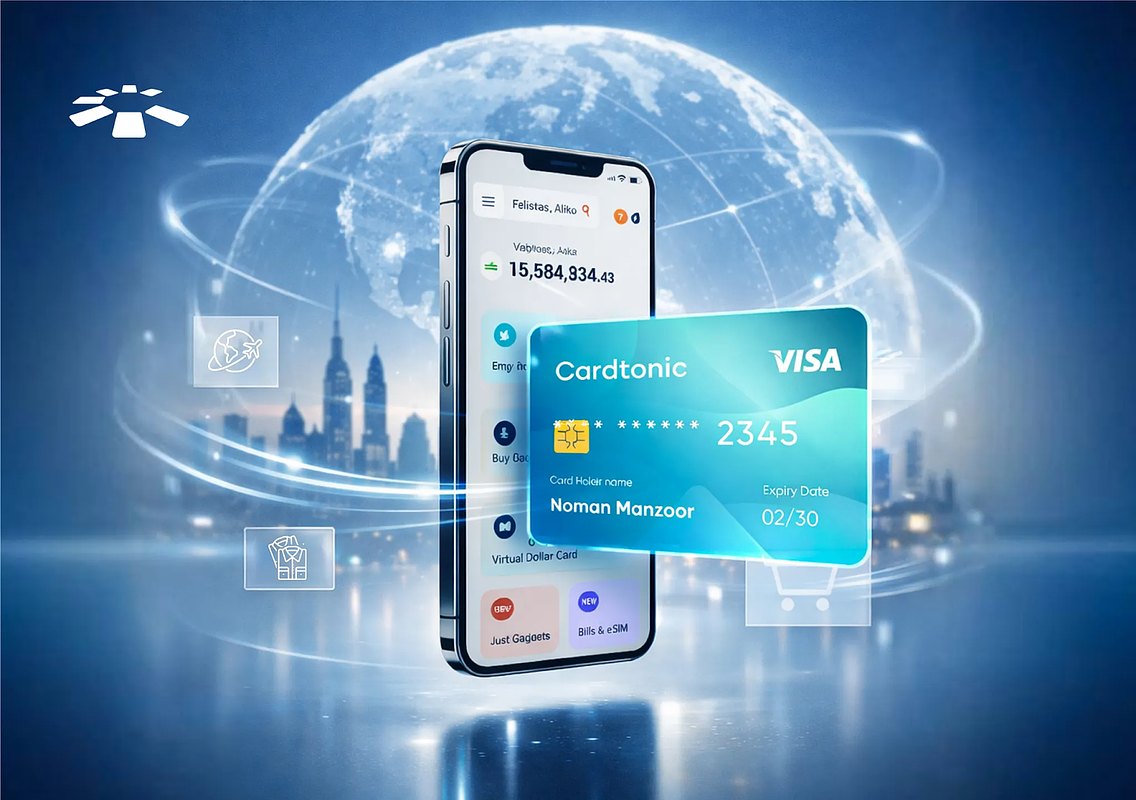
Cardtonic Unlocks Global Payments with New Contactless Virtual Cards
LAGOS, NIGERIA – February 10, 2026 – As African consumers and businesses increasingly operate within a global digital marketplace, fintech super-app Cardtonic has announced a significant expansion of its virtual card offerings, aiming to solve one of the continent's most persistent financial hurdles: reliable cross-border payments. The move includes the launch of a new Platinum Virtual Card equipped with near-field communication (NFC) technology, allowing users to make contactless payments in physical stores worldwide via digital wallets like Apple Pay and Google Pay.
This development arrives at a critical time for Africa's burgeoning digital economy. For millions, accessing international services, renewing online subscriptions, or purchasing from global e-commerce sites has been a frustrating experience fraught with high fees, transaction failures, and the limitations of locally issued bank cards. By focusing on reliability and expanding its payment ecosystem, Cardtonic is positioning itself not just as a provider of cards, but as a builder of essential infrastructure for financial inclusion.
The Widening Gap in Global Access
The demand for seamless international payment solutions across Africa is immense and growing. The continent's cross-border payment market was valued at approximately USD 329 billion in 2025 and is forecast to triple within a decade, fueled by a young, tech-savvy population, rising internet penetration, and initiatives like the African Continental Free Trade Area (AfCFTA). Yet, traditional financial systems have struggled to keep pace.
Many African consumers find their local bank cards are frequently declined on international platforms. In Nigeria, for instance, central bank policies have periodically restricted the use of Naira-denominated cards for foreign currency transactions, leaving users scrambling for alternatives. This payment barrier doesn't just affect individual consumers trying to pay for a Netflix subscription; it stifles small businesses, freelancers, and creators who rely on global tools and platforms to operate and grow.
Virtual dollar cards have emerged as a popular workaround, but the user experience has been inconsistent across providers. High fees, unexpected transaction failures, and poor currency conversion rates have been common complaints. According to industry analysis, reliability has surpassed mere access as the primary concern for users. A failed recurring payment can mean losing access to critical business software or a vital digital service, highlighting the need for payment tools that deliver consistent performance. Cardtonic's expanded offering directly targets this pain point, emphasizing consistent processing for the everyday transactions that power modern digital life.
A Tap into the Future of African Payments
The centerpiece of Cardtonic's latest announcement is its new Platinum Virtual Card, which represents a significant technological leap for consumer finance in the region. By integrating NFC functionality, the company is effectively bridging the gap between the online world, where virtual cards have traditionally lived, and the physical world of in-person commerce.
The technology behind this is tokenization. When a user adds their Platinum card to a digital wallet like Apple Wallet or Google Wallet, the actual card details are not stored on the device. Instead, a unique digital identifier, or "token," is created. During a contactless payment, this token is transmitted to the payment terminal, ensuring the user's sensitive card information is never exposed to the merchant. This process, combined with biometric authentication like fingerprint or facial recognition on the user's phone, provides a formidable layer of security against fraud.
This innovation moves the virtual card from a niche online payment tool to a versatile, all-purpose payment method. A Nigerian entrepreneur can now use the same virtual card to pay for a software subscription from a US company online and then buy coffee at an airport in London using a simple tap of their phone. This level of convenience and global interoperability has long been a standard in developed markets but is only now becoming accessible to a broader African user base through fintech solutions. With a one-time creation fee of $5, Cardtonic is betting that users will value this enhanced functionality and security for both domestic and international use.
Navigating a Crowded and Complex Market
Cardtonic is not operating in a vacuum. The African fintech landscape is a dynamic and competitive arena, with numerous players like Chipper Cash, Vesti, and Gomoney also offering virtual card solutions. Larger payment giants such as Flutterwave provide extensive payment infrastructure, while mobile money operators like M-Pesa and MTN Mobile Money dominate peer-to-peer and local transactions in their respective regions.
In this crowded field, Cardtonic is carving out its niche through a multi-pronged strategy. The introduction of NFC-enabled cards serves as a key technological differentiator, offering a feature that many competitors currently lack. Furthermore, the company's emphasis on affordability—offering instant funding at competitive rates and zero maintenance fees on its standard virtual cards—directly addresses major user pain points identified in its own market research.
The company's growth metrics suggest this strategy is resonating. Serving a claimed user base of over 1.5 million across Nigeria and Ghana, Cardtonic has evolved significantly from its origins as a gift card exchange platform. This evolution is now accelerating, backed by a recent $2.1 million seed funding round secured in January 2026. After years of bootstrapping, this infusion of capital from angel investors signals a new phase of strategic expansion.
A significant portion of this new funding is earmarked for "Pil," an independent business spending and expense management platform. This move indicates a strategic pivot from a purely consumer-focused app to tackling the lucrative enterprise market, providing businesses with comprehensive card spend management tools. This dual focus on both individual consumer needs and enterprise financial infrastructure allows the company to build a more resilient and diversified ecosystem.
However, this expansion occurs within a complex and ever-shifting regulatory landscape. The Central Bank of Nigeria (CBN) maintains strict oversight over cross-border payments, with regulations that can change rapidly. Fintechs must navigate stringent Know Your Customer (KYC) and anti-money laundering (AML) requirements while operating under specific licensing frameworks. Cardtonic's success, like that of its peers, will depend not only on technological innovation but also on its ability to adeptly manage compliance and build trust with both users and regulators across the continent.