
- US$140 million debt facility secured from AFG Bank Cameroon to fund Stage 1 capital requirements
- 1.1 billion tonnes of high-grade bauxite reserves at Minim Martap Project
- 51.2% alumina grade with 1.7% silica content, positioning it as premium feedstock
Experts would likely conclude that Canyon Resources is making significant operational progress toward becoming a major bauxite producer, but leadership transitions and logistical challenges pose risks that could impact its long-term success.
Canyon Resources Nears Bauxite Production Amid Leadership Shake-Up
PERTH, Australia – April 14, 2026 – Canyon Resources Limited is on the cusp of transforming from a mineral explorer into a globally significant bauxite producer, as trial mining operations commence this month at its flagship Minim Martap Project in Cameroon. The mobilization of a surface miner to the site's Daniel Plateau marks a critical step toward a targeted first production in the second quarter of 2026. However, this pivotal moment is accompanied by a significant leadership transition, as the company announced the resignation of its Chief Executive Officer and a Non-Executive Director, adding a layer of corporate uncertainty to the final leg of its operational ramp-up.
A High-Stakes Transition
The Australian-listed company confirmed that its project timeline remains on track, with first ore shipments scheduled for the third quarter of 2026. This progress is underpinned by updated financial modeling, which assures that Canyon's current cash position, combined with an existing US$140 million debt facility from AFG Bank Cameroon, fully funds the project's Stage 1 capital requirements through to its first sale. This financial de-risking is a major milestone for a project of this scale.
Yet, the operational advancements coincide with a shake-up in the boardroom. CEO Peter Secker has tendered his resignation for personal reasons, a move that comes at a delicate time for the company. In an effort to ensure continuity, Mr. Secker will remain in his role over the coming months to steer the company through the transition to production. The board has initiated a global search for a successor, specifically seeking a senior executive with bauxite and alumina operations experience to guide Minim Martap into its next phase.
Non-Executive Chairman Mark Hohnen, who recently transitioned into the role, commented on the departure: “Peter has been instrumental in the successful development of Minim Martap which is now on the cusp of becoming a tier-one bauxite operation, and we thank him for his invaluable contribution. We fully understand and respect Peter’s decision and have now commenced a global search for a senior executive with specific bauxite and alumina operations experience to move Minim Martap forward as it commences full production.”
Adding to the changes, Non-Executive Director Scott Phegan also resigned effective immediately to focus on other executive roles. The dual departures raise questions about leadership stability as Canyon navigates the complex shift from project developer to full-scale producer, a phase where operational expertise becomes paramount.
Securing the Path to Port
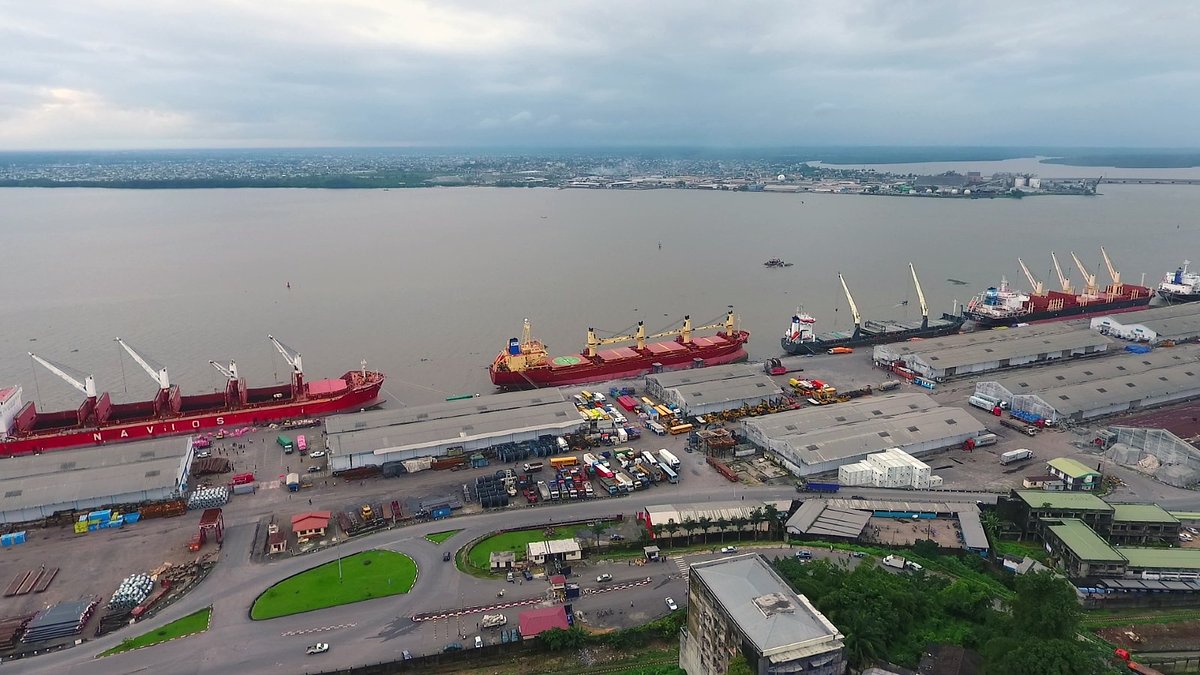
For any bulk commodity project in Africa, logistics are the lifeblood of the operation. Canyon has made tangible progress in securing its critical mine-to-port supply chain. The first seven of its locomotives, essential for transporting bauxite ore along Cameroon's railway, were shipped from China in late March and are expected to arrive at the Port of Douala late in the second quarter.
This rail link is managed by Camrail, the exclusive rail concessionaire in Cameroon. Recognizing the strategic importance of this infrastructure, Canyon is in ongoing discussions to increase its equity interest in Camrail from its current 9.1% to a stake of more than 20%. Such a move would grant Canyon greater influence over rail operations and infrastructure upgrades, further de-risking the logistics chain and potentially optimizing transport costs. The company stated it is targeting the completion of this equity increase within the current quarter.
This vertical integration strategy is a common tactic for miners to mitigate bottlenecks in regions where transportation infrastructure can be unreliable. By becoming a more significant partner in the railway, Canyon aims to ensure its high-grade bauxite can be moved efficiently from the inland mine to the coast for export, a crucial factor in meeting offtake agreement schedules and maintaining profitability.
Tapping a Hungry Global Market
The Minim Martap project is entering a global bauxite market with a strong appetite for high-quality ore. The deposit is distinguished by its massive scale—over 1.1 billion tonnes—and exceptional quality, with an ore reserve grade of 51.2% alumina and a very low silica content of 1.7%. This low-silica profile is highly sought after by alumina refineries, as it reduces the consumption of expensive caustic soda during processing, lowers energy costs, and minimizes the production of bauxite residue, or “red mud.”
This positions Minim Martap's product as a premium feedstock, particularly for refiners in China, the Middle East, and Europe who are looking to optimize efficiency and diversify their supply chains away from single-source dependency. Canyon is currently engaged in offtake discussions with multiple potential partners. In a strategic move, the company plans to finalize these crucial sales agreements after completing its initial trial shipments. This approach allows Canyon to use its actual, high-quality product as a powerful marketing tool, potentially securing more favorable pricing and contract terms by demonstrating the ore's superior characteristics firsthand.
Beyond Extraction: A Vision for Cameroonian Alumina
While the immediate focus is on exporting raw bauxite, Canyon is already laying the groundwork for a more ambitious, value-added future in Cameroon. The company is advancing a Feasibility Study for a proposed alumina refinery, with results expected to be released in the third quarter of 2026. This long-term vision aims to position Canyon as an integrated participant in the global aluminum value chain, moving beyond simple resource extraction.
Developing a local refinery would represent a transformative step for both the company and the Cameroonian economy. It would enable the country to export a higher-value product, create thousands of skilled jobs, and spur significant industrial and infrastructure development. The strategy leverages the project's key advantages: a massive, co-located bauxite resource and the potential for competitive operating costs in Cameroon.
However, the path to building a refinery is capital-intensive and fraught with challenges, including securing reliable and affordable energy—a critical input for the energy-intensive refining process—and managing the significant environmental footprint, particularly the disposal of bauxite residue. The completion of the Feasibility Study will be a critical milestone, providing the first detailed look at the economic viability and technical requirements for turning Cameroon's bauxite wealth into refined alumina on a commercial scale.