
- 15 million hectares burned in Canada's record-breaking 2023 wildfire season, over five times the annual average.
- $945 million in insurance claims from wildfires in 2023, with an additional $1.2 billion in health-related costs from smoke in Ontario alone.
- 50 million trees planted by Forests Canada since 2004, with over 2 million dedicated to wildfire restoration in 2025.
Experts agree that post-fire forest recovery requires a coordinated, science-based approach integrating traditional ecological knowledge and climate adaptation strategies to build resilience against future wildfires.
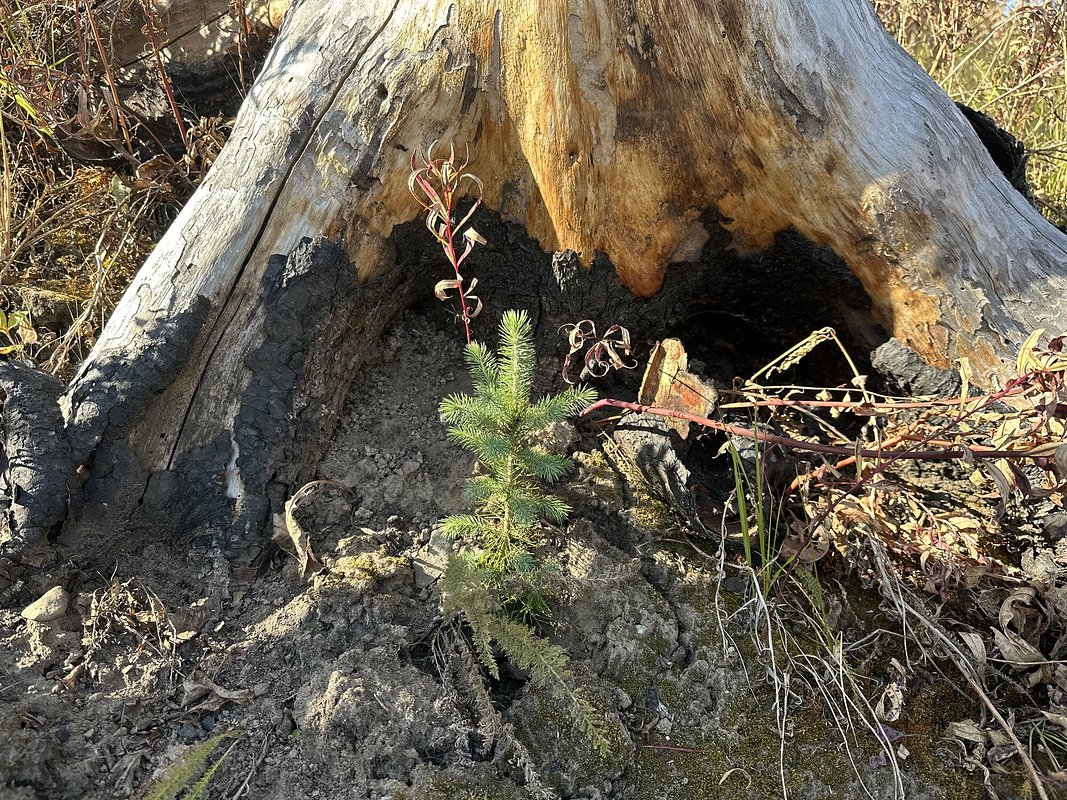
Canada's Wildfire Crisis Spurs National Forest Recovery Task Force
TORONTO, ON – March 18, 2026 – In response to the escalating crisis of wildfires ravaging the nation's landscapes, the national charity Forests Canada has announced the formation of a National Working Group on Post-Fire Forest Recovery Practices. The initiative aims to unite a diverse range of experts to develop a coordinated strategy for healing and strengthening Canada's vast, fire-scarred woodlands.
The announcement comes as Canada reels from several of the most destructive wildfire seasons in its history. The 2023 season set a devastating record, burning approximately 15 million hectares - more than five times the annual average. The trend has continued, with millions more hectares burning in subsequent years, placing unprecedented stress on ecosystems, communities, and the national economy.
Forests Canada, which supported the planting of over four million trees in 2025, is now looking to address the complex challenges that emerge long after the smoke clears.
A Landscape Under Unprecedented Stress
The sheer scale of recent fires has created ecological and economic consequences that are still being calculated. Beyond the immediate costs of firefighting, the fallout includes staggering insurance claims, which surpassed $945 million in 2023, and significant public health impacts from widespread smoke, with one estimate placing the health-related cost in Ontario from a single week of smoke at over $1.2 billion.
Ecologically, the damage is profound. While many Canadian forests, particularly the boreal, have evolved with fire, the increased frequency and intensity of modern blazes threaten to overwhelm their natural capacity to regenerate. High-intensity fires can sterilize soil and destroy seed banks, while repeated burns in the same area give ecosystems no time to recover. This could lead to permanent shifts in forest composition, with some conifer-dominant forests potentially being replaced by scrubland or different, more fire-resilient vegetation. Species that rely on mature forests, such as the boreal caribou, face shrinking habitats and an increasingly uncertain future.
Beyond Planting: The Complex Science of Reforestation
The new working group will confront the reality that post-fire recovery is far more complex than simply planting new trees. The central challenge is no longer just reforestation, but building resilience.
"Speaking with our planting partners across the country, it's become apparent that the landscape is shifting rapidly and that there is a need for national dialogue to share best practices and new approaches to ensure we are creating the most resilient forests possible," said Jess Kaknevicius, Chief Executive Officer of Forests Canada. The group will tackle critical questions, including how to prioritize which of the millions of burned hectares receive intervention, what tree species to plant, and how to prepare planters for the unique dangers of post-fire environments.
One of the most significant hurdles is the tree seed supply chain. Ambitious planting programs are constrained by a lack of climate-ready seeds - seeds collected and selected to thrive in the warmer, drier conditions of the future. Experts have identified bottlenecks across the entire chain, from a shortage of skilled seed collectors to insufficient capacity for processing and storage. Climate-Based Seed Transfer (CBST), a practice of moving seeds from warmer regions to newly burned areas to pre-emptively adapt the forest, is a promising but complex strategy that requires careful planning and a robust seed supply.
A Coalition for a Resilient Future
Recognizing that no single organization holds all the answers, Forests Canada is issuing a broad call for participation. The working group aims to bring together individuals with expertise in forest management, post-fire ecology, Indigenous land stewardship, seed supply operations, climate adaptation, and wildfire science.
This collaborative approach is seen as essential. Integrating Traditional Ecological Knowledge (TEK) from Indigenous communities, who have managed landscapes with fire for millennia, with Western scientific methods is a key priority for building more effective recovery models. The goal is to create a holistic strategy that considers not only ecological function but also cultural values, such as the restoration of medicinal plants and traditional food sources.
"Both individuals and institutions are turning to Forests Canada for the accumulated knowledge of all of our planting partners from coast to coast to coast," noted Val Deziel, the organization's Director of Restoration Ecology and Research. "With this new National Working Group, we will be able to gain new insights from a diverse group of participants so that we can all work together to help create lasting and positive outcomes for Canada's forests."
Building on a Foundation of Restoration
Forests Canada is leveraging its considerable experience to spearhead this national effort. Having reached a milestone of 50 million trees planted since 2004, the charity has a proven track record. In 2025 alone, over two million of the trees it helped plant were dedicated to restoring forests ravaged by storms, invasive species, and wildfires. Through partnerships with on-the-ground organizations like Cariboo Carbon in British Columbia, the charity has been engaged in large-scale restoration efforts in some of the hardest-hit regions.
The organization has completed over 10,400 restoration projects and manages a bank of more than 200 million viable seeds, providing a critical foundation for future work. This new working group represents a strategic evolution, shifting from a focus on individual projects to convening a national conversation and building a unified framework for action.
By bringing together the nation's leading minds and most experienced practitioners, the initiative seeks to develop a cohesive, science-based playbook for a new era of conservation - one defined by the urgent need to help Canada's forests recover and adapt in the face of a changing climate.
Topics & Related
Sustainability & Climate
Related Company Pulse