
- Gambling Participation: Decline from 76% (2002) to ~60% (2026) among Canadians aged 15+.
- Ontario Online Gambling Revenue: CAD $2.9 billion (2024-25 fiscal year).
- Total Wagers in Ontario: CAD $82.7 billion (2024-25 fiscal year).
Experts conclude that Canada's gambling market is growing due to increased online activity from a smaller, more engaged group of existing players, raising concerns about problem gambling and regulatory oversight.
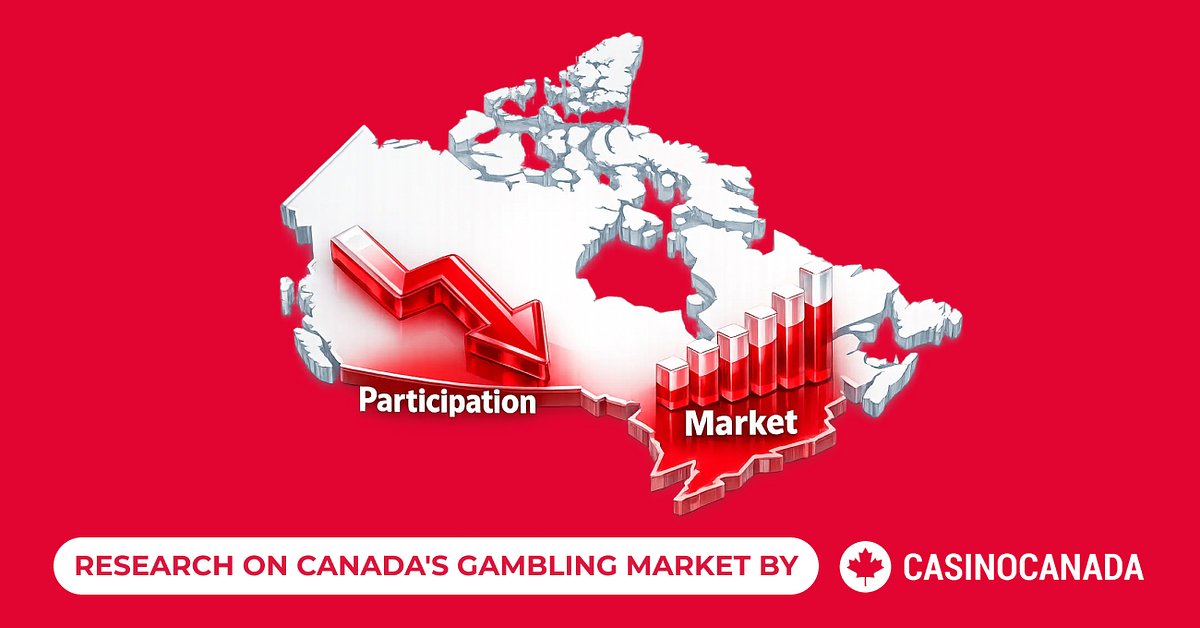
Canada's Gambling Paradox: Fewer Players, Record Online Spending
TORONTO, ON – March 17, 2026 – A striking contradiction is reshaping Canada's relationship with gambling. While fewer Canadians are placing bets today than two decades ago, a seismic shift to digital platforms has ignited a multi-billion dollar explosion in the country's regulated online market. This paradox points to a significant transformation in gambling habits, where a smaller, more dedicated group of players is wagering more money online than ever before.
New analysis, initially highlighted by the industry resource CasinoCanada.com, combines national participation data with provincial revenue reports to paint a picture of a market that is simultaneously shrinking and booming. According to Statistics Canada, the percentage of Canadians aged 15 and over who reported gambling in the previous year fell from a high of 76% in 2002 to 64.5% by 2018. More recent estimates suggest this trend has continued, with participation now hovering around the 60% mark.
Yet, this decline in broad participation stands in stark contrast to the meteoric rise of regulated online gambling, particularly in Ontario, the country's most populous province. The province's digital market has become a financial juggernaut, raising critical questions about consumer behaviour, public health, and the future of regulation.
Ontario's Digital Gold Rush
Since its launch on April 4, 2022, Ontario's regulated iGaming market has shattered expectations, demonstrating an immense appetite for digital wagering. The financial figures released by iGaming Ontario, the provincial oversight body, are staggering.
In its first full fiscal year (2022-23), the market generated approximately CAD $1.3 billion in total gaming revenue. This figure—representing total wagers minus player winnings—rocketed to CAD $2.2 billion in 2023-24 and has now reached a colossal CAD $2.9 billion for the 2024-25 fiscal year.
The total amount of money wagered tells an even more dramatic story. Ontario bettors wagered CAD $63.2 billion online in the 2023-24 fiscal year, a 78% increase from the prior year. That number surged again to CAD $82.7 billion in 2024-25. While sports betting often grabs headlines, the bulk of this revenue—around 73%—is consistently driven by online casino products, including slots, live dealer games, and computer-based table games.
This explosive growth, occurring alongside a national decline in overall gambling participation, points to a clear conclusion: the market is not expanding because of a flood of new gamblers, but because of increased activity from a more concentrated base of existing players.
The Rise of the Engaged Online Gambler
The data suggests a fundamental shift from casual, infrequent gambling—like buying a lottery ticket or a rare visit to a casino—to more intense, regular engagement on digital platforms. This concentration of activity is at the heart of the industry's growth.
"What we’re seeing in Canada is a clear contrast. Overall participation in gambling has declined over the past twenty years, yet the market itself is growing rapidly," noted Eugene Ravdin, Head of PR for CasinoCanada.com, in the analysis that first detailed the trend. "That suggests the growth is being driven by existing players becoming more active online, rather than a wave of new gamblers entering the market."
Research into gambler demographics supports this view. While most Canadians who gamble do so without issue, a smaller segment is at higher risk. Studies have shown that men, particularly younger adults aged 18-34, are more likely to engage in risky gambling behaviours. Risk factors also include participating in multiple types of gambling, being unmarried, and reporting fair or poor mental health. The accessibility and continuous nature of online platforms may amplify risks for this demographic.
While national problem gambling rates have remained relatively low, with 2018 data indicating that about 1.6% of past-year gamblers were at a moderate-to-severe risk, public health officials are watching closely. The concern is that the convenience and intensity of online gambling could exacerbate problems for those who are already vulnerable, even if the total number of gamblers is decreasing.
Advertising Overload and Public Backlash
The digital gold rush has been fueled by an unprecedented wave of advertising that has made gambling more visible in Canadian daily life than ever before. The ubiquitous presence of betting ads during live sports, on social media feeds, and through celebrity endorsements has sparked a significant public and political backlash.
A 2024 Maru Public Opinion survey revealed deep-seated frustration among Canadians. A resounding 68% said they want current team players and celebrities banned from betting advertisements, and nearly 60% supported an immediate nationwide ban on all sports betting ads. The primary motivation cited by 75% of respondents was the need to protect children and youth from gambling marketing.
This sentiment is not new. A 2023 Ipsos poll found that nearly half of all Canadians (48%) felt the volume of gambling advertising was excessive. The non-stop marketing blitz has created a perception that gambling is more pervasive and problematic, with 73% of Canadians agreeing that gambling-related problems have increased in their province.
A Regulatory Tightrope Walk
Faced with mounting public pressure and the social challenges of a booming market, regulators have begun to tighten the reins. The balancing act is delicate: preserving the economic benefits of a regulated industry—which funnels money away from illegal offshore sites and into provincial coffers—while protecting consumers from harm.
In Ontario, the Alcohol and Gaming Commission of Ontario (AGCO) moved in February 2024 to strengthen its advertising standards, specifically restricting the use of athletes and other celebrities who are likely to appeal to minors. This followed widespread criticism of ads featuring hockey icons and other sports heroes.
On a national level, a more comprehensive framework took effect on January 1, 2026. The Canadian Gaming Association (CGA) implemented a new "Code for Responsible Gaming Advertising," which prohibits marketing that misrepresents the likelihood of winning, portrays gambling as risk-free, or targets underage audiences. The code mandates the use of age-gating tools on digital platforms to ensure ads are directed only at adults.
This regulatory evolution in Canada mirrors trends in other mature markets like the United Kingdom, which is experiencing a similar paradox of falling overall participation alongside a rising online gambling yield. As Canadian provinces continue to reap the financial rewards of iGaming, they will remain under intense scrutiny to ensure that the social contract is upheld and that the digital gold rush does not come at an untenable public cost.