
- 209 kg of opium seized in a high-tech operation
- $4.18 million estimated street value of the intercepted drugs
- $1.3 billion invested in Canada's border security modernization
Experts agree that advanced AI, data analytics, and intelligence-driven strategies are proving highly effective in intercepting sophisticated drug smuggling operations at Canadian borders.
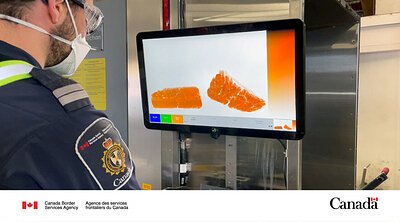
Canada's Digital Shield: How Tech Stops a $4M Opium Shipment
BURNABY, BC – December 05, 2025 – Deep inside an 11,000-kilogram piece of commercial machinery, packed for a long journey from the United Arab Emirates, lay a substance worth millions: 209 kilograms of raw opium. To the naked eye, the shipping container that arrived at the Burnaby Container Examination Facility was just another piece of global commerce. But to a sophisticated network of intelligence analysts and advanced algorithms, it was a high-priority threat, flagged long before it ever reached Canadian shores.
The seizure, announced by the Canada Border Services Agency (CBSA), is more than just a successful drug bust. It’s a powerful demonstration of a quiet revolution happening at Canada's borders—a strategic pivot where massive government investment in technology and intelligence is being deployed to fight an increasingly innovative and elusive adversary. This single interdiction offers a compelling look at how data, AI, and strategic foresight are becoming the nation's most formidable weapons in the war on drugs.
The Anatomy of a High-Tech Interdiction
This was not a seizure based on luck. The operation began hundreds of miles away in a 24/7 command post: the CBSA's National Targeting Centre (NTC). Tasked with sifting through mountains of pre-arrival data on all goods and people heading to Canada, the NTC acts as a digital tripwire. Using a risk-based methodology, targeting officers and automated systems analyze advance commercial information submitted by carriers, searching for anomalies and intelligence-backed red flags.
In this case, intelligence officers at the NTC identified the container as high-risk and electronically tagged it for a mandatory inspection upon arrival. This intelligence-led approach is the core of the CBSA's modern strategy, shifting the focus from random checks to precise, data-driven interventions. It allows the agency to focus its resources where they are most needed, disrupting criminal activity without impeding the flow of legitimate trade.
Once the container arrived in Burnaby on March 26, 2025, border services officers were ready. The final piece of the puzzle came from a decidedly low-tech but highly effective asset: the CBSA's Detector Dog Team. A trained dog gave a positive indication, confirming the presence of narcotics and leading officers to the meticulously concealed opium. The successful collaboration between advanced analytics and the keen senses of a canine highlights an integrated strategy that blends the best of technology and traditional fieldwork.
"This seizure is another example of how CBSA's intelligence, targeting, and detection capabilities are stopping illegal substances from crossing our border," said Nina Patel, Regional Director General for the Pacific Region, in a statement. Her words underscore a fundamental shift in border security, where proactive intelligence work is the first and most critical line of defense.
A Billion-Dollar Bet on Border Security
The technological and strategic prowess behind this seizure was not developed in a vacuum. It is a direct result of 'The Border Plan,' the largest single investment in border security in Canadian history. Of the $1.3 billion allocated, over $355 million is being funneled directly to the CBSA to bolster its frontline with cutting-edge tools and technology.
This funding is fueling a comprehensive modernization of Canada's border infrastructure. It's being used to deploy new artificial intelligence and advanced imaging tools that can peer inside containers with greater accuracy, alongside new chemical detection instruments at high-risk ports of entry. The investment also expands the Detector Dog Program and funds new aerial surveillance platforms, including drones, to monitor vast stretches of land between official crossings. This seizure serves as a tangible return on that investment, a clear signal that the strategy is delivering results.
"The Canada Border Services Agency is our country's first line of defence against crimes such as drug smuggling," stated the Honourable Gary Anandasangaree, Minister of Public Safety. "I have seen first hand how their expertise, dedication, and collaboration with law enforcement partners around the globe is stopping criminal activity and protecting our communities."
This government backing is designed to counter the escalating sophistication of transnational criminal organizations. By equipping officers with better data, predictive analytics, and superior detection tools, the plan aims to ensure that Canadian law enforcement can stay one step ahead in a relentless technological arms race.
The Global Game of Cat and Mouse
The concealment of 209 kg of opium within heavy industrial machinery is a stark reminder of the ingenuity and resources of global drug trafficking networks. This is part of a broader trend where criminal organizations exploit the sheer volume of international trade, using legitimate commercial goods as a Trojan horse. Past seizures in Metro Vancouver paint a vivid picture of this ongoing cat-and-mouse game.
In recent years, the CBSA has uncovered nearly 2,500 kilograms of opium hidden within the footings of shipping pallets, 150 kilograms of opium welded inside the structure of steel machinery, and massive quantities of liquid methamphetamine disguised as canola oil. Cocaine has been found camouflaged in white paste and disguised as paint pigment. Each method represents a calculated design choice by smugglers to defeat inspection protocols.
Metro Vancouver, with its major port facilities, remains a primary gateway and a critical battleground. The consistent string of large-scale interdictions in the region highlights both its strategic importance to smugglers and the CBSA's increasing success in defending it. The origin of the container from the UAE also points to the complex, globe-spanning supply chains that traffickers exploit, forcing law enforcement agencies to think and operate on an international scale.
The Human Cost Behind the Kilograms
Beyond the operational success and tactical innovation, the seizure of 209 kilograms of opium has a profound and measurable impact. With a potential street value estimated at over $4.18 million, the interdiction represents a significant financial blow to the criminal enterprise responsible, disrupting its cash flow and operations. But the true value of the seizure is measured not in dollars, but in lives protected.
Canada remains in the grip of a devastating public health crisis driven by illicit opioids. Between January 2016 and March 2025, the country recorded over 53,000 apparent opioid toxicity deaths. The introduction of 209 kilograms of raw opium into the unregulated market would have inevitably exacerbated this tragedy, contributing to overdoses, addiction, and immense strain on healthcare systems, which already bear costs estimated in the tens of billions annually.
Every kilogram of narcotics stopped at the border is a preventative measure against future hospitalizations, community trauma, and loss of life. It underscores the critical importance of the CBSA's mission, which extends far beyond law enforcement into the realm of public health and safety. The quiet, data-driven work happening at centers like the NTC is directly connected to the well-being of Canadian communities, preventing dangerous substances from ever reaching the streets. This high-tech shield at the border is a crucial component in a much larger, multi-faceted effort to navigate one of the most significant social challenges of our time.