
- 88% of the Cuban population lives in extreme poverty (2023 study by the Cuban Observatory of Human Rights).
- 1,932 repressive actions documented in the first half of 2024, including 488 arbitrary detentions (Cuban Observatory of Human Rights).
- Canada's aid through the World Food Programme reached nearly 790,000 beneficiaries in 2022.
Experts argue that Canada's current policy of engagement with Cuba inadvertently supports the regime, and urge a shift toward more accountable aid and stronger condemnation of human rights abuses.
Canada's Cuba Policy Under Fire After Damning Activist Testimony
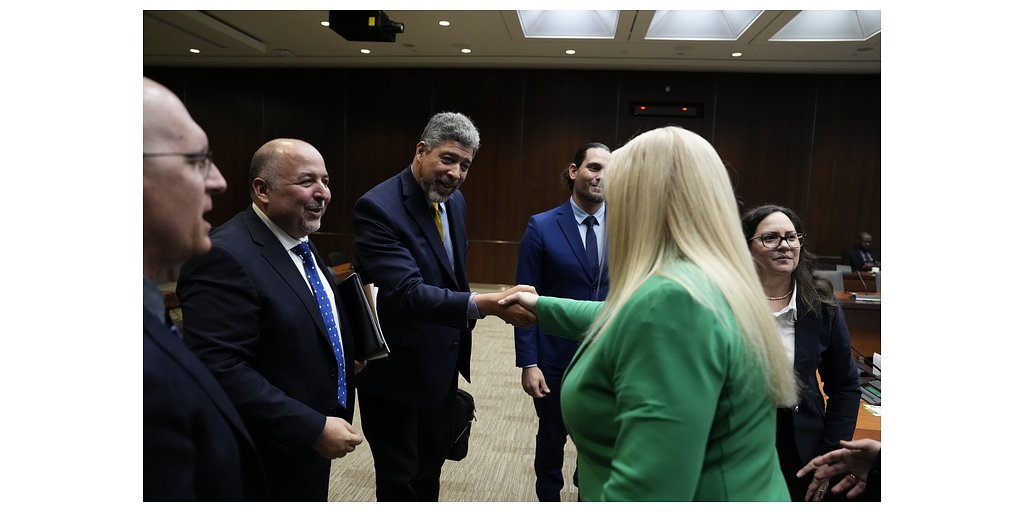
OTTAWA, ON – February 27, 2026 – Canada's long-standing policy of engagement with Cuba is facing intense scrutiny following a powerful parliamentary hearing where Cuban civil society representatives delivered a unified and damning indictment of the island's communist regime. In emotional testimony before the Standing Committee on Foreign Affairs and International Development on February 26, expert witnesses argued that the profound humanitarian crisis in Cuba is a direct result of government mismanagement and repression, not the U.S. embargo. They further accused Canada and other democracies of inadvertently propping up the dictatorship through misdirected aid and a failure to condemn its abuses.
The hearing presented a stark counter-narrative to the one offered just days earlier by Cuban Ambassador Rodrigo Malmierca Diaz, who, according to the hearing's organizers, deflected all blame from the Cuban Communist Party. The activists' testimony has now forced a difficult conversation in Ottawa about the effectiveness and morality of its approach to the struggling island nation.
A Unified Voice of Dissent
The delegation of witnesses represented a credible and organized cross-section of the Cuban pro-democracy movement, lending significant weight to their claims. The groups, including the Assembly of the Cuban Resistance (ACR), the Center for a Free Cuba (CFC), and the Cuban Observatory of Human Rights (OCDH), have spent decades documenting abuses and advocating for a free Cuba.
The ACR, a coalition founded in 2009, functions as a parliament in exile, uniting various non-governmental organizations to lobby internationally and support grassroots movements on the island. The CFC, a Washington D.C.-based non-partisan institution, has promoted human rights in Cuba since 1997, while the Madrid-based OCDH, composed largely of former political prisoners, meticulously tracks and reports on the regime's repressive tactics.
“Yesterday’s hearing demonstrated the growing momentum of Cubans demanding freedom from an oppressive regime,” said John Suarez, executive director of the Center for a Free Cuba, in a statement following the session. “Our independent testimonies revealed a clear and unambiguous picture of a regime that chooses investments in repression and resorts over the wellbeing of Cubans, time and time again. It is past time for policy change in places like Canada and Europe that help Cubans in need, not regime elites.”
This sentiment was echoed forcefully by Kirenia Carbonell, a human rights advocate from the Cuban Canadians Coalition. “Canada is an enabler of the dictatorship,” she stated. “Canada must stop supporting the regime. It’s hurting us, the people. It’s clear the regime is in a corner, blaming everyone else and their mother.”
Canadian Aid and Accountability in Question
At the heart of the testimony were serious allegations regarding international aid. The witnesses unanimously pleaded with the Canadian government to stop directing humanitarian funding into what they called “GONGOS”—governmental non-governmental organizations controlled by the dictatorship. They argue these state-controlled entities ensure that aid serves the regime's interests rather than reaching a desperate population.
Canada provides assistance to Cuba through Global Affairs Canada and partners like the World Food Programme (WFP), which aims to bolster food security and disaster management. The WFP’s recent reports show it has scaled up operations, reaching nearly 790,000 beneficiaries in 2022. However, the activists' claims suggest that even well-intentioned aid can be compromised within Cuba's tightly controlled system.
The witnesses painted a picture of a country where the government has the resources to build luxury hotels for tourists and maintain a vast internal security apparatus, yet fails to provide its people with food, medicine, or functioning infrastructure. This glaring disparity, they argue, is proof that the crisis is one of priorities, not a lack of resources caused by external sanctions.
A Nation in Collapse
The activists' testimony is backed by grim data on Cuba's deepening economic and human rights catastrophe. A 2023 study by the Cuban Observatory of Human Rights estimated that a staggering 88% of the Cuban population now lives in extreme poverty. The WFP itself has noted that the state's ration system provides only a fraction of daily nutritional needs, contributing to widespread health problems.
Simultaneously, the regime's repression has intensified. The OCDH documented 1,932 repressive actions in the first half of 2024 alone, including 488 arbitrary detentions and persistent harassment of political prisoners and their families. The U.S. State Department's 2022 Human Rights Report corroborated these findings, citing credible reports of unlawful killings, torture, and a complete lack of judicial independence. Freedom of expression is non-existent, with independent journalists and activists facing constant threats, surveillance, and the prospect of exile or long prison sentences.
This reality stands in stark contrast to the image the Cuban government projects internationally. The hearing in Ottawa effectively brought this contradiction to the forefront, challenging Canadian parliamentarians to look beyond diplomatic pleasantries and confront the brutal conditions faced by ordinary Cubans.
A Policy Crossroads for Canada
The impassioned testimony from Cuban civil society has placed the Standing Committee on Foreign Affairs and International Development, presided over by MP Ahmed Hussen, at a difficult juncture. The starkly different accounts from Ambassador Diaz and the activists create a policy dilemma for the Canadian government. Continuing the current strategy of engagement and aid risks being perceived as complicit in the suffering of the Cuban people, as the witnesses alleged.
However, shifting towards a more confrontational stance could disrupt decades of diplomatic relations and close channels of communication. The activists are not asking for a U.S.-style embargo from Canada, but for a smarter, more accountable approach that ensures aid reaches those in need and that Canada's voice is used to unequivocally condemn the regime's actions.
As the committee digests the powerful, firsthand accounts of corruption and suffering, Canadian policymakers are left to weigh their diplomatic traditions against the urgent moral claims of a people demanding freedom. The testimony has undeniably complicated Canada-Cuba relations, raising fundamental questions about the nature of effective and ethical foreign policy in the face of authoritarianism.