
- $3.4 billion: California's annual citrus industry value, supplying 80% of the nation's fresh citrus.
- 34 million: Number of Tamarixia radiata wasps released since 2012 to combat the Asian citrus psyllid.
- $2.2 billion: Projected loss in production value over 20 years if HLB becomes established in commercial groves.
Experts agree that California's integrated pest management strategy, particularly the use of Tamarixia radiata wasps, is a critical and environmentally friendly approach to suppressing the Asian citrus psyllid and preventing the spread of Huanglongbing (HLB), but it requires ongoing vigilance and public participation to be effective.
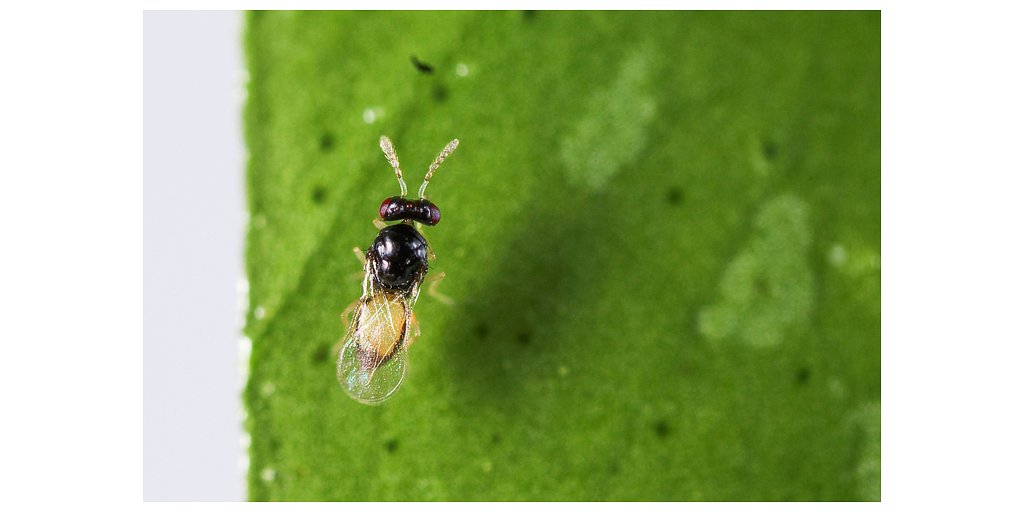
California's Tiny Warriors: A Wasp's War on a Citrus-Killing Disease
SACRAMENTO, CA – April 01, 2026 – In the sprawling citrus groves and countless backyards of California, a microscopic war is being waged. The state’s $3.4 billion citrus industry, which supplies 80% of the nation’s fresh citrus, is under threat from an incurable bacterial disease. But the first line of defense isn’t a chemical spray; it’s a tiny, stingless wasp no bigger than a fleck of pepper.
As part of Invasive Plant Pest and Disease Awareness Month, state agricultural officials are highlighting a key weapon in their arsenal: Tamarixia radiata. Since 2012, the California Department of Food and Agriculture (CDFA) has released over 34 million of these parasitic wasps in a sophisticated biological control program. These “beneficial bugs” are deployed to hunt and destroy the Asian citrus psyllid (ACP), an invasive insect that spreads the devastating disease known as Huanglongbing (HLB).
HLB, also called citrus greening, is a death sentence for citrus trees. Once infected, a tree’s vascular system is choked off, leading to mottled leaves, bitter and misshapen fruit, and eventual death within a few years. With no cure available, California’s strategy hinges on stopping the disease’s carrier, and the Tamarixia wasp is a crucial, environmentally friendly soldier in that fight.
A Crisis at the Grove's Edge
The stakes could not be higher. While California’s commercial groves have so far remained free of HLB-infected trees, the disease has established a firm and expanding foothold in residential areas across Southern California. Detections in Los Angeles, Orange, Riverside, San Bernardino, San Diego, and Ventura counties have triggered strict quarantines and the removal of thousands of infected backyard trees.
The economic devastation seen in other regions serves as a stark warning. Florida’s citrus industry, which is primarily focused on juice production, has been crippled since HLB was detected there in 2005. The state has seen its orange acreage shrink by over a quarter and yields plummet by 42%. If HLB were to become established in California’s commercial groves, which are geared toward the fresh fruit market where quality is paramount, the impact would be catastrophic. A UC analysis projected that even with aggressive mitigation, the disease could cost the state's industry $2.2 billion in production value over 20 years.
“The threat is no longer hypothetical; it is at the doorstep,” an anonymous university researcher stated. The recent detection of HLB-positive psyllids—the insect vectors themselves—within commercial groves in Southern California has amplified the urgency. Although the trees tested negative, it signals that the pathogen is perilously close to the industry’s heartland.
The Biocontrol Front Line
At the core of California’s defense is the innovative biocontrol program managed by the CDFA’s Citrus Pest and Disease Prevention Division (CPDPD). In collaboration with researchers at the University of California, Riverside, and California Polytechnic State University, Pomona, the state rears and releases millions of Tamarixia radiata wasps.
These wasps are natural enemies of the Asian citrus psyllid. The female wasp lays a single egg underneath an ACP nymph, and the resulting larva consumes the pest from the inside out, killing it before it can mature and spread HLB. The program, which began in Southern California where the psyllid first appeared, has since expanded statewide.
However, officials are quick to point out that biocontrol is not a silver bullet. It is a critical tool for suppressing psyllid populations on a large scale, but it is part of a broader, integrated pest management strategy. The effectiveness of the wasps can be hampered by factors like dust and, most significantly, ants. Ants “farm” psyllids for the sweet honeydew they excrete and will aggressively defend them from predators like the Tamarixia wasp. This is why controlling ant populations on and around citrus trees has become a key message for residents.
This integrated approach also includes the painstaking work of surveying for infected trees and, when found, removing them to eliminate the source of the disease. It’s a strategy of aggressive containment and eradication, starkly different from Florida’s approach of learning to live with an endemic disease.
The Backyard Battlefield
With an estimated 60% of California homes having at least one citrus tree, the fight against HLB has become a matter of public participation. The disease’s current concentration in residential landscapes makes homeowners the unofficial guardians of the state’s entire citrus legacy. The CDFA is urging residents to become active partners in the defense effort.
Key actions for homeowners include:
- Regularly inspecting trees for signs of ACP or HLB. Telltale symptoms include yellowing shoots, asymmetrical blotchy patterns on leaves, and small, lopsided fruit that remains green.
- Reporting suspicious symptoms immediately to the state’s pest hotline at 1-800-491-1899. Early detection is vital for rapid response.
- Controlling ants around citrus trees using baits or other safe methods to allow beneficial insects like Tamarixia to do their job.
- Disposing of citrus clippings safely. When pruning, clippings should be dried out or double-bagged before being placed in green waste bins to prevent psyllids from hitchhiking to new locations.
- Cooperating with agricultural officials who may need to monitor, test, or, in unfortunate cases, remove infected trees from a property to protect the surrounding community.
Residents living within the expanding quarantine zones across Southern California face the strictest rules, including a ban on moving any citrus plant material or fruit—unless commercially cleaned and packed—out of the area. Recent quarantine expansions in places like Valley Center and Mission Viejo underscore the dynamic and persistent nature of the threat. California’s ability to protect its iconic citrus industry now depends as much on the vigilance of a homeowner in their backyard as it does on the scientific efforts in a state laboratory.