
- 48% of the U.S. egg-laying flock is now housed in cage-free environments, up from 10% a decade ago.
- 92% of corporate cage-free commitments with deadlines of 2024 or earlier have been successfully fulfilled.
- 11 U.S. states have passed laws banning the production or sale of eggs from caged hens.
Experts agree that the foodservice industry is at a critical juncture, with leaders proving cage-free transitions are achievable, while laggards risk falling behind on ethical sourcing and legal compliance.
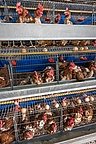
Cage-Free Divide: New Report Splits Foodservice Industry on Egg Pledges
NEW YORK, NY – May 12, 2026 – A stark divide is cracking through the U.S. foodservice industry as a new report exposes a growing chasm between companies transparently fulfilling their cage-free egg commitments and those that remain silent. The Humane League, a global animal welfare nonprofit, today released its 2026 Cage-Free Eggsposé, the first in a three-part series that puts corporate promises under the microscope. The findings reveal that while the industry-wide shift away from caged eggs is well underway, a lack of public reporting from several major providers is raising questions about their commitment to animal welfare and corporate accountability.
Foodservice providers supply meals to millions of Americans in settings where choice is often limited, including universities, corporate cafeterias, hospitals, and entertainment venues. This captive audience, the report argues, elevates the importance of responsible sourcing and transparency, placing a greater ethical burden on the companies that serve them.
A Tale of Two Tiers: Leaders and Laggards
The Humane League’s report paints a picture of a sector at a crossroads. It commends companies that have not only transitioned to cage-free eggs but are also public about their progress. Among those lauded as “Cage-Free Leaders” are Thompson Hospitality, Whitsons Culinary Group, Sage Dining Services, and HHS Culinary & Nutrition Solutions. These companies are celebrated for demonstrating that a full-scale transition is not only possible but is actively being achieved.
In stark contrast, the Eggsposé calls out several providers for a lack of transparency, effectively “stepping back from prior commitments” by failing to report any progress. Companies named for this lack of disclosure include Genuine Foods, AVI Foodsystems, OVG360, and Opaa! Food Management. According to the animal welfare group, this failure to communicate is a significant red flag in an era of heightened consumer and investor expectations.
“2026 is a defining year for cage-free commitments,” said Liz Fergus, Sr. Corporate Relations Manager for The Humane League, in a statement accompanying the report. “With the transition already underway, companies should be able to report clear progress and next steps. Those that aren't are falling behind both industry standards and consumer expectations.”
The report is bolstered by industry-wide data showing significant momentum. Nearly half of the entire U.S. egg-laying flock is now housed in cage-free environments, a dramatic increase from just over 10% a decade ago. Furthermore, an impressive 92% of corporate cage-free commitments with deadlines of 2024 or earlier have been successfully fulfilled, proving that the goals are largely achievable.
The Operational Realities of Sourcing Ethically
Transitioning a supply chain as vast and complex as the U.S. egg market is no small feat. It involves intricate logistics, securing reliable vendor partnerships, and managing potential cost fluctuations. However, leaders in the space are proving it can be done with strategic planning and a values-driven approach.
Creative Dining, another company recognized for its leadership, has committed to sourcing 100% cage-free shell and liquid eggs. Brady Newcomer, the company's Director of Purchasing, explained the strategy. “This approach aligns with our values around animal welfare, responsible sourcing, and transparency,” Newcomer stated. “We've worked closely with our vendor partners to fulfill and maintain this commitment while ensuring product quality, reliable supply, and operational consistency for our clients.”
This sentiment reflects a broader industry understanding that the deadlines set for 2025 and 2026 represent a critical juncture. While challenges like sporadic avian flu outbreaks have occurred, experts view them as temporary hurdles rather than valid reasons for abandoning or indefinitely delaying commitments. To address supply chain complexities, innovative solutions like “cage-free impact incentives”—credits that fund cage-free transitions—are also emerging, providing pathways for companies to meet their goals even when direct physical sourcing is difficult.
Naming Names: Advocacy in the Age of Transparency
The Eggsposé is more than a simple progress report; it is a strategic tool of advocacy. By publicly categorizing companies as leaders or laggards, The Humane League employs a “naming and shaming” tactic designed to leverage public and investor pressure to influence corporate behavior. This strategy taps into a powerful shift in market dynamics, where Environmental, Social, and Governance (ESG) criteria are increasingly critical for investors, and ethical sourcing is a powerful brand differentiator for consumers.
The core of the issue, as framed by the report, is accountability. The Humane League asserts that customers and shareholders who were informed of these cage-free pledges years ago deserve to know how companies are upholding their promises. The annual release of reports like the Eggsposé ensures that these commitments do not fade from the corporate agenda after the initial press release.
The Growing Weight of the Law
Beyond consumer pressure and activist campaigns, a growing body of legislation is solidifying the cage-free movement into law. To date, 11 U.S. states—including major markets like California, Massachusetts, and Colorado—have passed laws that either ban the production of or the sale of eggs from caged hens. For foodservice providers, which often operate nationally, this patchwork of state regulations creates a compelling legal and logistical incentive to adopt a single, compliant standard across their entire supply chain.
Operating in defiance of these laws is not a viable option, with potential penalties ranging from significant civil fines to criminal charges. This legal framework transforms the cage-free commitment from a voluntary corporate social responsibility initiative into a matter of legal compliance and risk management. As more states consider similar legislation, the pressure on companies to complete their transitions will only intensify.
The 2026 Cage-Free Eggsposé is just the beginning of this year's scrutiny, with subsequent reports set to examine manufacturers and restaurants. For the foodservice providers named in this initial installment, the message is clear: in the modern marketplace, what you do is just as important as whether you are willing to talk about it.