
- $100 million: Value of PT Development Group's current project portfolio using cold-formed steel (CFS).
- $30 billion: Projected global market value for cold-formed steel frames by 2032 (up from $17 billion in 2023).
- 6% annual growth: Expected growth rate of the global CFS market.
Experts agree that cold-formed steel is emerging as a superior alternative to traditional wood framing, offering enhanced durability, resilience, and efficiency, though challenges like thermal bridging and industry adoption remain.
Building the Future in Steel: Reshaping Residential Construction
MIAMI BEACH, FL – February 26, 2026
In the sun-drenched landscapes of Florida and the rolling hills of Pennsylvania, a structural shift is underway. For generations, the skeleton of the American home has been wood, a tradition built on sawmills and forestry. But as demands for resilience, longevity, and efficiency intensify, a new framework is rising. PT Development Group of Florida LLC, a full-cycle developer with international roots, is at the forefront of this movement, championing cold-formed steel (CFS) not as an alternative, but as the new standard for residential construction.
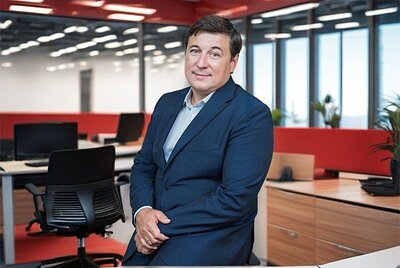
Led by Team Manager and CFO Dmitriy Pingasov, the company is leveraging its deep infrastructure experience to erect everything from single-family rental communities to luxury townhomes, all built around a core of steel. With a project portfolio already valued at over $100 million, they are making a powerful case that the future of housing is forged in something stronger than wood.
A Framework for the Future
The move toward steel framing is a response to the inherent vulnerabilities of traditional materials. While wood has served its purpose, it is susceptible to rot, warping, and termite infestation—all significant concerns in humid climates like South Florida's. Cold-formed steel, by contrast, is impervious to these issues. It does not absorb moisture, and it provides no sustenance for pests.
The advantages extend beyond simple durability. "Unlike wood, steel does not rot, warp, or attract termites, making it particularly suited to climates ranging from Pennsylvania's seasonal humidity to South Florida's tropical conditions," the company notes. The manufacturing process for CFS components is one of high precision. Steel studs, joists, and trusses are engineered to exact tolerances, resulting in perfectly straight walls, square corners, and precise openings for doors and windows. This dimensional stability eliminates many of the on-site adjustments and fixes common in wood-frame construction, leading to faster assembly and more predictable timelines.
This shift is not happening in a vacuum. The global market for cold-formed steel frames, valued at over $17 billion in 2023, is projected to grow by more than 6% annually, reaching nearly $30 billion by 2032. This growth is fueled by a construction industry actively seeking materials that offer sustainability—steel is 100% recyclable—and superior performance in the face of increasingly extreme weather events. Steel's non-combustibility also offers enhanced fire safety, a critical factor governed by modern building codes like the International Building Code (IBC).
The Blueprint for Success: A Vertically Integrated Model
Successfully implementing a newer construction technology at scale requires more than just innovative materials; it demands a radical approach to project management. This is where PT Development's vertically integrated business model, steered by Dmitriy Pingasov, becomes a critical advantage. As a licensed general contractor with an MBA, Pingasov oversees a company that manages every facet of its projects, from initial land acquisition and permitting to construction, financing, and long-term property management.
This "full-cycle" approach provides a level of control that is rare in the fragmented residential construction sector. By keeping all operations in-house, the firm can ensure that its exacting standards for steel construction are met at every stage. It minimizes the risk of miscommunication between architects, engineers, suppliers, and builders, which can derail projects using less-familiar technologies. This integrated structure allows the company to apply an "engineering discipline and project management rigor rarely seen in residential construction," translating the precision of the steel itself into the execution of the entire development. This model is essential for controlling costs, maintaining quality, and delivering on the promise of faster, more predictable construction schedules that steel framing allows.
From Pennsylvania Hills to Miami Shores: Steel's Versatility on Display
The true test of any construction system lies in its adaptability across diverse markets and housing types. PT Development's current portfolio demonstrates the remarkable flexibility of its steel-based approach. In northeast Pennsylvania, the company is constructing a gated community of 100 single-family rental homes. This project showcases the system's capacity for repetition and scalability, delivering durable, low-maintenance housing to the rental market.
Meanwhile, in the competitive luxury market of South Florida, the firm is demonstrating steel's aptitude for high-end, contemporary design. Six luxury townhomes in Miami Beach and a forthcoming multifamily condominium in the trendy Wynwood district highlight how steel frames can accommodate the complex architectural features and open floor plans demanded by discerning buyers. By succeeding in both a large-scale rental community and bespoke luxury developments, PT Development proves that cold-formed steel is not a niche product but a versatile platform for the next generation of housing, regardless of price point or location.
Navigating the Headwinds: Challenges and Considerations
Despite its clear advantages, the widespread adoption of cold-formed steel faces hurdles. The residential construction industry is notoriously conservative, with many builders hesitant to move away from the familiar workflows of wood framing. Furthermore, steel construction requires a different set of skills and knowledge, particularly concerning its thermal properties.
One of the primary technical challenges is "thermal bridging." Steel conducts heat far more readily than wood, meaning that without proper design and insulation, a steel frame can create pathways for heat to escape in the winter and enter in the summer, reducing energy efficiency. Advanced techniques, such as creating thermal breaks and using continuous exterior insulation, are essential to mitigate this effect and meet modern energy codes. Likewise, while steel is strong, it can lose strength in extreme fire conditions, often necessitating specific fire-protection measures. It is also susceptible to corrosion if its protective coatings are compromised, requiring careful handling and installation.
The regulatory landscape is also in motion. In 2024, the Steel Framing Industry Association (SFIA) took the mantle for developing industry standards, a role previously held by the American Iron and Steel Institute (AISI). This transition underscores the dynamic nature of this growing sector as it works to solidify its place in the mainstream.
For developers like PT Development, overcoming these challenges is part of the process. Their integrated model allows them to invest in the specialized training and engineering required to address these issues head-on, ensuring their steel-framed homes are not only strong but also energy-efficient and built to last. By integrating systems thinking with steel technology, Dmitriy Pingasov and his team are not just building houses; they are methodically reshaping expectations and proving that the future of American housing can be stronger, safer, and far more resilient.