
- 65% of New Zealand's total freight volume is handled by the Bay of Plenty, Auckland, and Hamilton 'Golden Triangle'.
- Multiple major players (Royal Wolf, TITAN Containers, ContainerCo) are investing heavily in the Bay of Plenty logistics hub.
- Shipping containers are being repurposed for diverse uses, including temporary site offices, secure storage, and even hydroponic farms.
Experts agree that the expansion of Boxman in the Bay of Plenty reflects a broader trend toward flexible, scalable, and sustainable infrastructure solutions driven by regional economic growth and rising operational demands.
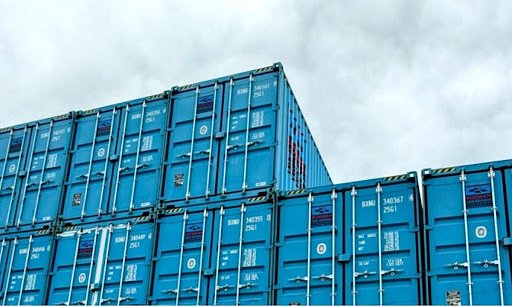
Boxman Expands in Bay of Plenty Amidst Economic and Building Boom
MOUNT MAUNGANUI, NZ – May 22, 2026 – Responding to a surge in regional development, shipping container specialist Boxman has opened a new depot in Mount Maunganui, signaling a strategic move to service the burgeoning economic activity across the Bay of Plenty. The expansion underscores a profound shift in how local industries are approaching infrastructure, increasingly favouring flexible, scalable, and rapidly deployable solutions to keep pace with growth.
The new facility is more than just a corporate footprint; it is a direct reflection of the region's economic dynamism. The Bay of Plenty, and Tauranga in particular, forms a critical node in New Zealand's 'Golden Triangle' of commerce alongside Auckland and Hamilton, an area responsible for a staggering 65% of the nation's total freight volume. With the Port of Tauranga holding the title of New Zealand’s busiest container port, the demand for efficient logistics, storage, and operational support has never been higher.
This economic boom, fueled by significant infrastructure investment and robust freight activity, has created a fertile ground for modular solutions. Businesses across construction, agriculture, and retail are facing the dual pressures of rising operational demands and escalating commercial property costs, prompting a search for smarter, more adaptable infrastructure. The humble shipping container, once confined to maritime freight, has emerged as a key enabler of this new operational paradigm.
Fuelling a Region's Growth Engine
Boxman's decision to bolster its presence in Mount Maunganui—expanding from an existing depot in Greerton—is a calculated response to market demand within a highly competitive landscape. The area is already serviced by major players like Royal Wolf, TITAN Containers, and ContainerCo, whose large-scale depot adjacent to the port highlights the strategic importance of this logistics hub. The fact that multiple providers are investing heavily in the region indicates a market that is not just growing, but thriving.
This intense activity is driven by the tangible needs of the construction sector, which remains a primary engine of the Bay of Plenty's expansion. On sprawling civil works projects and busy commercial development sites, shipping containers have become an indispensable asset. Contractors rely on them for the secure, weatherproof storage of valuable tools, electrical components, and building materials. Beyond mere storage, modified containers are deployed as temporary site offices, break rooms, and workshops, offering a level of flexibility that permanent structures cannot match.
The key advantage is their mobility. A site office can be relocated as a project progresses through different phases, and secure storage can be positioned exactly where it's needed most. This rapid deployment capability minimizes downtime and reduces the need for costly, fixed infrastructure during phased construction, a critical factor in maintaining project timelines and budgets.
Beyond the Box: The Revolution in Modular Solutions
The true story of the container's ascent lies in its remarkable versatility, which extends far beyond the construction site. Across New Zealand, businesses are reimagining the steel box as a solution to a diverse array of operational challenges.
In the agricultural sector, farmers are using containers for everything from secure machinery and feed storage to cost-effective on-farm workshops. Their durable steel construction makes them ideal for withstanding the rigors of rural environments. An even more innovative application is the rise of 'container farming,' where repurposed containers are transformed into controlled-environment hydroponic farms. These units allow for the year-round production of high-value crops like herbs and microgreens, reducing transport miles and bolstering local food security.
The retail and commercial sectors have also embraced this modular revolution. The portability and quick setup of containers make them perfect for pop-up shops, temporary cafes, and event infrastructure. This trend allows entrepreneurs to test new markets with minimal capital outlay and enables established businesses to manage seasonal inventory overflow without committing to long-term warehouse leases. The legacy of Christchurch's innovative Re:START Mall, built from containers after the earthquakes, demonstrated the viability and appeal of this model on a national stage.
A Green Blueprint for Modern Business
Underpinning this trend is a growing commitment to environmental sustainability. The practice of repurposing shipping containers aligns perfectly with the principles of a circular economy. By giving these sturdy steel structures a second life, businesses reduce waste and conserve the raw materials and energy that would be required for new construction.
This 'green' advantage is a significant factor in their adoption. Modular construction, which often incorporates containers, is known to generate substantially less waste than traditional on-site building methods. Furthermore, the off-site modification process allows for greater quality control and efficiency. When integrated with features like solar panels, insulation, and rainwater harvesting systems, a modified container can become a highly energy-efficient building block.
The New Zealand government has recognized the potential of this approach, viewing prefabrication and off-site manufacturing as the future of construction. Initiatives like the BuiltReady scheme, which streamlines the consenting process for certified modular components, are designed to encourage wider adoption and help address pressing issues like the national housing shortage.
Boxman's expanded presence in Mount Maunganui is therefore a microcosm of a larger industrial evolution. The depot is poised to support a diverse client base, from large construction firms managing multi-year infrastructure projects to small agricultural businesses needing a single secure storage unit. By providing sales, hire, and modification services locally, the company is enabling regional businesses to become more agile, efficient, and sustainable. The steel box is no longer just for shipping goods; it is now a fundamental tool for building the future of New Zealand business.