
- 3 lot numbers recalled: BL3608, BL3435, BL3525
- 17 states affected in the 2022 recall
- No reported adverse events as of the article's publication
Experts would likely conclude that Blaine Labs' repeated recalls and FDA warnings indicate systemic manufacturing and quality control failures, posing significant risks to vulnerable patients.
Blaine Labs Recalls Gel After Tainted Product, FDA Warnings
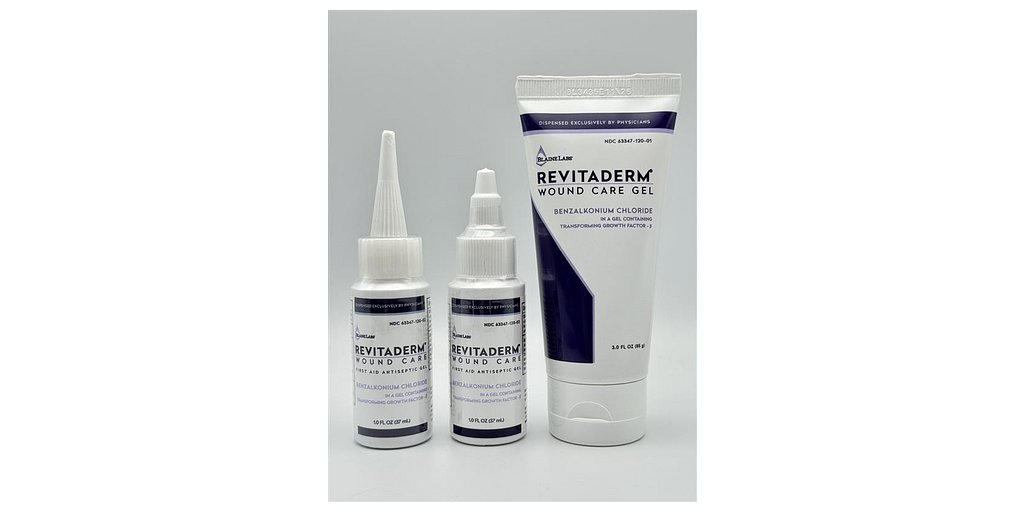
SANTA FE SPRINGS, CA – April 08, 2026 – Blaine Labs, Inc. has issued a voluntary nationwide recall for several lots of its Revitaderm® and Tridergel™ Wound Care Gel products after discovering they were contaminated with a potentially dangerous bacterium. The recall, which affects products distributed directly to doctor's offices across the country, raises significant patient safety concerns, particularly for individuals with compromised immune systems. This latest quality control failure follows a documented history of manufacturing deficiencies and a previous recall for a similar issue.
The company announced it is recalling three lot numbers of its 1 oz. and 3 oz. wound care gels due to the presence of Lysinibacillus fusiformis. The product, a topical antiseptic containing 0.1% Benzalkonium Chloride, is intended to prevent infection in minor cuts, scrapes, and burns. However, the contamination introduces a new risk of infection, especially for the very people the gel is meant to protect.
According to the company's risk statement, while the bacterium is generally considered to have low pathogenicity in healthy people, it can act as an opportunistic pathogen. The risk is elevated for patients with open wounds, compromised skin barriers, or weakened immune systems, such as the elderly, diabetic individuals, and young children. For these vulnerable groups, the contamination could lead to skin irritation, delayed wound healing, or severe, life-threatening infections like endocarditis or central nervous system infections.
To date, Blaine Labs has stated it has not received any reports of adverse events related to this specific recall.
A Pattern of Contamination and Regulatory Scrutiny
This is not the first time Blaine Labs has been forced to recall its wound care products due to contamination. The current incident echoes a Class I recall initiated on January 27, 2022, for a lot of its RevitaDerm Wound Care Gel. A Class I recall is the FDA's most serious designation, used when there is a reasonable probability that the use of or exposure to a violative product will cause serious adverse health consequences or death. In that case, the product was contaminated with Bacillus cereus, another bacterium capable of causing serious infections. The 2022 recall affected products sent to 61 physician clinics across 17 states, illustrating the widespread distribution network for these specialized medical supplies.
The repetition of contamination-related recalls points to deeper issues within the company's manufacturing and quality control processes, a concern substantiated by a history of regulatory warnings from the U.S. Food and Drug Administration (FDA).
FDA Warnings Highlighted Manufacturing Lapses
Publicly available FDA records reveal that Blaine Labs has been on the agency's radar for significant manufacturing violations for years. On May 5, 2020, the FDA issued a formal Warning Letter to the company following an inspection conducted in late 2019. The letter detailed “significant violations of current Good Manufacturing Practice (CGMP) regulations for finished pharmaceuticals.”
Among the FDA's key findings was the company’s failure to adequately investigate out-of-specification (OOS) results, including microbial contamination found in raw materials intended for use in products like RevitaDerm Wound Care gel. The FDA noted that Blaine Labs' Quality Unit was aware of these failures but did not conduct thorough investigations into the manufacturing process, and lots affected by these issues were released for distribution anyway.
Furthermore, the 2020 Warning Letter cited the company for failing to properly validate its drug manufacturing processes to ensure products were of consistent quality and purity. This included a failure to validate equipment cleaning procedures to prevent contamination. The FDA deemed the company's response to these inspection observations inadequate, stating it “lacked sufficient detail or evidence of corrective actions.” These issues were not new; a previous FDA inspection in 2015 had also resulted in citations for similar deficiencies, suggesting a persistent pattern of non-compliance with federal manufacturing standards.
The Hidden Threat in a Common Microbe
The contaminant at the center of the current recall, Lysinibacillus fusiformis, is an environmental, spore-forming bacterium found in diverse settings such as soil and wastewater. Its ability to form resilient endospores allows it to survive harsh conditions, including some sterilization processes, making it a persistent challenge in sterile manufacturing environments.
While often overlooked, it has been documented as an opportunistic pathogen in medical literature. Cases of L. fusiformis have been linked to skin infections and, in rare instances, severe systemic infections like septicemia, particularly in patients with underlying health conditions such as diabetes. The presence of such an organism in a product designed to be applied to broken skin is a critical failure of its primary function: to prevent infection.
Ripple Effects for Doctors and Patients
The recall places a significant burden on the healthcare providers who received and dispensed these products. Blaine Labs distributed the affected lots of Revitaderm® and Tridergel™ nationwide, exclusively to doctor's offices. These clinics are now tasked with identifying and segregating the recalled inventory, arranging for its return, and, most importantly, addressing the potential impact on their patients.
Physicians have an ethical obligation to notify patients who may have been exposed to a potentially harmful medical product. This creates a logistical challenge, as clinics must determine which patients received the gel from the contaminated lots and communicate the risks without causing undue alarm. The incident can also erode the trust between patients and providers, who rely on manufacturers to supply safe and effective medical products.
Blaine Labs has instructed healthcare providers to immediately stop using and distributing the affected products and to contact the company to arrange for returns. The specific lot numbers under recall are BL3608, BL3435, and BL3525, with expiration dates in 2026, 2027, and 2028. The lot number and expiration date are printed on the bottom of the 1 oz. bottles and imprinted on the crimp of the 3 oz. tubes. This recall is being conducted with the knowledge of the U.S. Food and Drug Administration.