
- $115.1 million: Cash value of the acquisition deal
- 75%: BKV's new controlling stake in the power joint venture
- 148 GW: Projected peak summer electricity demand in Texas by 2030
Experts view BKV's strategic acquisition as a calculated move to capitalize on Texas's surging electricity demand, particularly from AI and data centers, while strengthening its position in the ERCOT market through vertical integration and operational efficiency.
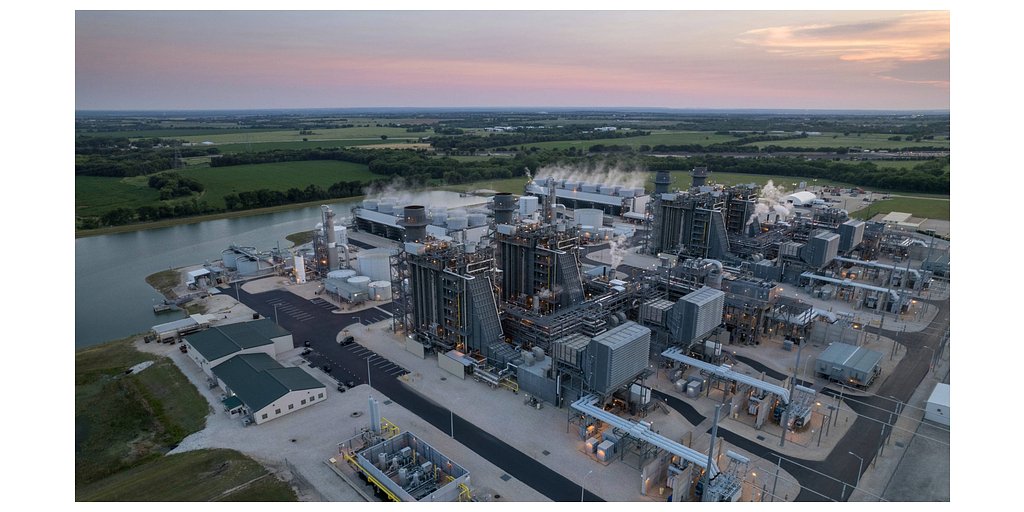
BKV Corp Seizes Control of Texas Power Plants to Fuel AI Boom
DENVER, CO – January 30, 2026 – BKV Corporation has finalized a strategic acquisition to gain majority control of its key Texas power generation assets, a decisive move aimed at capitalizing on the state's voracious and rapidly growing appetite for electricity, driven largely by the artificial intelligence and data center industries.
The Denver-based energy firm announced today the successful completion of its purchase of an additional 25% stake in the BKV-BPP Power joint venture from Banpu Power US Corporation (BPPUS). The transaction, valued at approximately $115.1 million in cash plus 5,315,390 shares of newly issued BKV common stock, elevates BKV's ownership from 50% to a controlling 75% interest. This gives the company direct oversight of the modern and efficient Temple I and Temple II power plants, positioning it as a pivotal player in the dynamic Electric Reliability Council of Texas (ERCOT) market.
A Strategic Power Play in a Surging Market
The deal, first announced on October 29, 2025, grants BKV majority ownership and strategic control over the joint venture's assets. At the heart of this venture are the Temple I and Temple II facilities, state-of-the-art combined cycle gas and steam turbine power plants located in Temple, Texas. With generation capacities of 752 megawatts and 747 megawatts respectively, these plants are significant contributors to the ERCOT grid, which serves 90% of Texas.
This move is more than a simple ownership shuffle; it is a calculated response to clear and dramatic market signals. “The successful closing of this transaction represents a critical step forward for BKV’s power business,” said Chris Kalnin, Chief Executive Officer of BKV, in a statement. “BKV’s majority stake in the Power JV enhances our strategic flexibility and strengthens our ability to capture and fully capitalize on the exceptional growth opportunities we see in the Texas power market.”
The acquisition was structured as an intra-group transfer, as BKV is a subsidiary of Banpu Public Company Limited, the same parent company as Banpu Power. While BPPUS reduces its stake, it will retain a 25% interest, ensuring a continued partnership. The transaction underscores a strategic alignment to empower BKV to lead the integrated energy strategy in the United States.
Fueling the AI Boom in Texas
The timing of BKV's consolidation is directly linked to the unprecedented surge in electricity demand across Texas. ERCOT is grappling with load forecasts that are shattering previous expectations. Projections now indicate that peak summer demand could soar to 148 gigawatts (GW) by 2030, a stunning increase from the 86 GW forecasted for 2024. Industry experts and ERCOT's own leadership attribute a massive portion of this growth—potentially half of it—to the proliferation of energy-intensive data centers and AI operations.
Texas has become a global magnet for these facilities, thanks to its relatively affordable land, business-friendly regulations, and abundant natural gas. However, this boom is straining the grid's capacity, creating challenges for interconnection and power delivery. In response, state regulators have enacted reforms like Senate Bill 6 to streamline the process of connecting new power sources and require large new consumers like data centers to contribute to necessary grid upgrades.
BKV's increased control over the Temple plants, which are known for their efficiency and advanced emissions-control technology, places the company at the forefront of meeting this new baseline of demand. By securing a larger share of reliable, baseload power generation, BKV is betting heavily on its ability to serve these high-growth, high-consumption customers.
The 'Closed-Loop' Advantage
This acquisition is a cornerstone of BKV’s overarching 'closed-loop energy strategy.' The company operates an integrated value chain that begins with its own natural gas production. As the largest gross operated producer in the Barnett Shale, BKV sources its own fuel, transports it through midstream infrastructure, and now has greater control over its use in power generation at the Temple facilities.
This vertical integration provides a significant competitive advantage. It allows BKV to manage costs, ensure fuel supply reliability, and maintain oversight of its emissions footprint from the gas well to the power plant's burner tip. The company has publicly stated its commitment to sustainable development, and controlling modern, lower-emitting gas plants like Temple I and II is central to that mission. This strategy also provides a platform for its long-term ambitions in carbon capture, utilization, and storage (CCUS), aiming to create one of the country's most integrated and low-carbon energy systems.
Consolidation and Investor Clarity
Beyond the operational advantages, the move carries significant financial implications. By increasing its stake to 75%, BKV can now consolidate the financial results of the power joint venture onto its own balance sheet. Previously, the earnings from the power plants were reported as income from an equity method investment, a less direct accounting treatment that can obscure the true cash-generating power of an asset for investors.
This consolidation will provide enhanced visibility into the power business's revenue and cash flow, allowing analysts and shareholders to more accurately assess its contribution to BKV’s overall value. Kalnin noted that this consolidated platform will serve as a foundation for expanding the company's power portfolio.
The new governance structure not only streamlines decision-making but also strengthens BKV's ability to align the power operations with its long-term growth strategy. With a firmer hand on the tiller of two of Texas's key power assets, BKV is poised to pursue further expansion, whether through building new facilities or acquiring additional ones, in a market that shows no signs of slowing down.