
- $257B: Global fitness market size projected by 2026
- 26.72% CAGR: Growth rate of the virtual fitness market through 2030
- 8.83% CAGR: Projected growth rate of the overall health and fitness club market through 2030
Experts agree that the future of fitness lies in integrated digital ecosystems that blend physical and virtual experiences, with technology-enabled personalization being key to long-term engagement and retention.
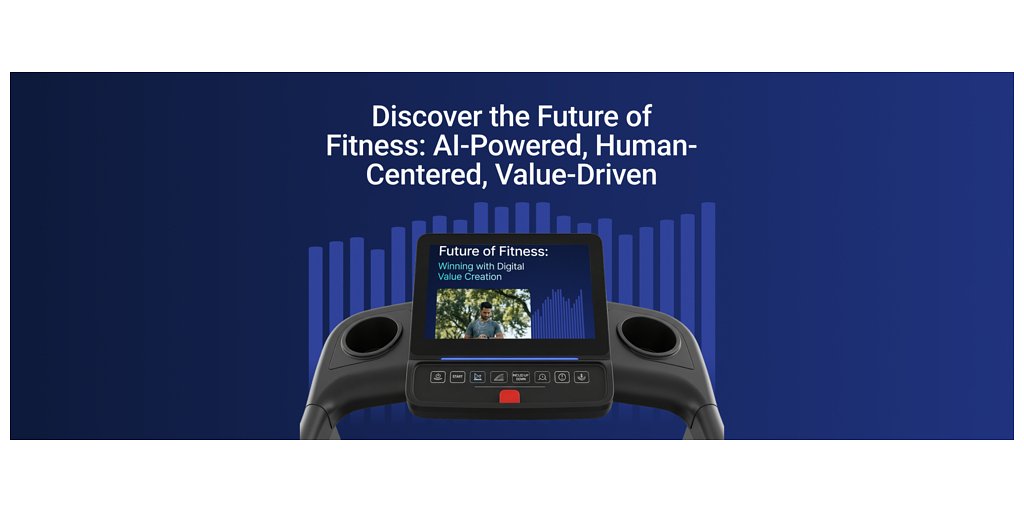
Beyond the Gym: Report Maps Digital Future of $257B Fitness Market
MINNEAPOLIS, MN – December 29, 2025
A new report from global digital engineering firm Coherent Solutions argues that the future of the rapidly growing fitness industry lies not within the four walls of a gym, but in the sprawling digital ecosystem that surrounds a person's entire life. The "2026 Future of Fitness Report," subtitled "Winning with Digital Value Creation," distills the company's decades of software engineering experience into a strategic guide for an industry on track to surpass $257 billion globally.
The report posits that isolated gym visits and disconnected fitness gadgets are becoming relics of the past. In their place, a new model is emerging: a hybrid, interconnected experience that blends club life, at-home workouts, wearable technology, and personalized digital coaching into a seamless whole. This shift, according to the firm, is not just a trend but the new baseline for consumer expectations and the most effective path to sustainable growth.
The Rise of the 'Human Performance Economy'
At the heart of the report's thesis is a concept Coherent Solutions' CEO, Igor Epshteyn, calls the "Human Performance Economy." This framework reframes the fitness journey from a series of discrete activities into a continuous, digitally-influenced lifestyle.
"Most people only spend 3–5 hours a week in a gym. That leaves 160+ hours where their choices and habits are influenced by digital touchpoints within what we call the Human Performance Economy," Epshteyn stated in the report's announcement. "Modernization is about extending engagement into their lives."
This perspective is strongly supported by market data that shows explosive growth in the digital segments of the wellness industry. While the overall health and fitness club market is projected to grow at a healthy 8.83% CAGR to reach over $202 billion by 2030, the virtual fitness market is expanding at a staggering 26.72% CAGR, projected to hit $106.4 billion in the same timeframe. Similarly, the fitness tracker market is forecast to reach $162.8 billion by 2030. These figures underscore a profound consumer shift towards technology-enabled health management, validating the report's emphasis on digital touchpoints as the primary arena for brand engagement and value creation.
The report argues that fitness brands that fail to engage members outside of their physical locations are missing the vast majority of opportunities to build loyalty, influence behavior, and drive long-term retention. The challenge is no longer just about providing great equipment or classes, but about becoming an indispensable part of a member's daily health and wellness routine through a cohesive digital presence.
From Gadgets to Integrated Ecosystems
A key takeaway from the analysis is the critical distinction between simply adding technology and building a true digital ecosystem. Piling on new equipment or standalone apps that don't communicate with each other creates a fragmented and ultimately frustrating user experience. The report advocates for a more holistic approach.
"The long-term impact comes from connecting ecosystems, replacing individual gadgets," said Karl Sandberg, Director of Delivery at Coherent Solutions. "Link your home, your gym, your apps, and your workplace wellness program together into a continuous life experience."
Coherent Solutions leverages its own portfolio to illustrate this point. The firm’s work with major industry players like BowFlex and Planet Fitness showcases the practical application of this philosophy. For BowFlex, a leader in connected home fitness equipment, the firm helped modernize legacy systems to handle real-time data flows and scale globally, improving system performance by up to 20 times. This foundational work is paving the way for AI-driven features like adaptive workout plans and real-time coaching.
Similarly, the firm was instrumental in developing the first connected mobile app for Planet Fitness, transforming it into a unified digital ecosystem that integrates fitness devices and CRM personalization. The result was a top-rated global fitness app that created new revenue streams and deepened member engagement both in and out of the gym, demonstrating the power of a single, cohesive digital hub. These case studies provide tangible evidence that a well-architected digital platform is a powerful engine for growth, not just a cost center.
Personalization, Retention, and the Trust Factor
The move towards integrated digital ecosystems generates a massive amount of user data, which the report identifies as the fuel for the next frontier in fitness: hyper-personalization. By leveraging artificial intelligence and machine learning, brands can analyze data from wearables, app usage, and in-club activities to deliver customized workout plans, nutritional advice, and real-time feedback.
This level of personalization is presented as the most effective tool to combat the industry's perennial challenge: member churn. Generic fitness plans often lead to disengagement, but a program that adapts to an individual's progress, schedule, and preferences can create a powerful sense of partnership and motivation, significantly boosting retention.
However, this data-driven approach comes with a significant responsibility. The report highlights that privacy and trust are becoming paramount deciding factors for consumers. As users grant apps and devices access to their most personal health information, they expect transparency and robust security in return. Brands that are careless with data or fail to communicate their privacy policies clearly risk alienating their customer base and suffering severe reputational damage.
Building this trust is a non-negotiable cornerstone of sustainable digital value creation. The future of fitness involves a delicate balance: leveraging data to create deeply personal and effective experiences while simultaneously ensuring that user privacy is rigorously protected. Success in the "Human Performance Economy" will belong to the brands that master this balance.
Charting a Course in a Competitive Landscape
Coherent Solutions is not alone in analyzing the future of fitness. Major consulting firms like Deloitte and industry groups such as the Health & Fitness Association regularly publish reports on market trends. These analyses consistently point to the rise of hybrid models, the importance of technology, and the shift towards holistic wellness.
Where the "2026 Future of Fitness Report" aims to differentiate itself is in its perspective as a hands-on technology builder. Rather than just identifying trends, the report serves as a guidebook for club operators, enterprise fitness platforms, and investors on how to execute a successful digital transformation. It speaks the language of software engineering, data integration, and scalable architecture, offering a roadmap for building the very ecosystems it describes.
By publishing this report, Coherent Solutions is positioning itself as a key thought leader and technical partner in a market undergoing a fundamental transformation. The message is clear: in the modern fitness industry, technology strategy is business strategy. For brands looking to thrive in the coming years, winning with digital value creation is no longer an option, but an absolute necessity.