
- $1,000 price threshold: High-performance e-bikes now available below this critical price point due to aggressive market discounts. - 15-minute city concept: Luxury communities are integrating micromobility to enable car-free access to daily necessities within this timeframe. - Market maturity: Leading brands like GOTRAX, Segway, and Lectric eBikes are driving innovation and affordability in the personal electric vehicle sector.
Experts agree that micromobility is rapidly becoming a defining feature of modern luxury living, with developers who integrate these solutions gaining a competitive edge in attracting environmentally conscious and tech-savvy buyers.
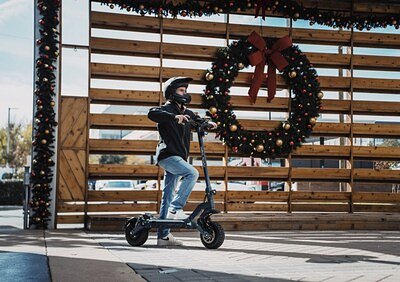
Beyond the Garage: E-Mobility Redefines Luxury Living
PLANO, TX – November 25, 2025 – For decades, the definition of residential luxury was measured in grand terms: sprawling square footage, marble-clad foyers, and multi-car garages housing exotic automobiles. Today, that definition is being recalibrated. A new, more dynamic vision of high-end living is emerging, one where the ultimate luxury is not just ownership, but experience; not just opulence, but seamless convenience and curated lifestyle. And at the forefront of this shift is an amenity that is smaller, quieter, and more accessible than a supercar: the personal electric vehicle.
Across the nation’s most desirable markets, from sun-drenched master-planned communities to sleek urban high-rises, developers are recognizing that discerning buyers crave more than just a beautiful home. They seek an integrated lifestyle that prioritizes wellness, sustainability, and connection to their community. Enter the e-bike and e-scooter, which have rapidly evolved from niche gadgets into essential components of the modern luxury amenity package, fundamentally altering how residents interact with their environment.
The Newest Must-Have: Micromobility as a Core Amenity
The amenity wars in luxury real estate have moved beyond rooftop pools and private screening rooms. The new frontier is integrated mobility. Forward-thinking developers are now designing communities with micromobility in mind from the ground up. This goes far beyond simply allowing residents to own a scooter; it involves creating a comprehensive ecosystem that supports and encourages their use.
In new luxury condominium towers, dedicated, secure storage rooms for e-bikes and e-scooters are becoming standard, often featuring integrated charging stations at every spot. Some developments are partnering with tech firms to offer app-based access and security. In sprawling suburban master-planned communities, developers are weaving miles of paved, multi-use trails that are not just for walking or cycling, but are explicitly designed for personal electric vehicles, connecting homes to town centers, fitness facilities, and natural recreation areas.
Some of the most innovative projects are offering curated fleets of shared, community-branded e-bikes for residents and their guests, managed via a proprietary app. This allows for effortless short-distance travel to the community clubhouse, a neighbor’s home, or the on-site café without ever starting a car. It is a powerful selling point that speaks directly to a modern buyer’s desire for a frictionless, resort-style living experience every day.
From Niche Gadget to Mainstream Movement
The rapid adoption of micromobility as a premium amenity is fueled by its explosion in the broader consumer market. What was once a costly novelty is now a mainstream phenomenon, a trend vividly illustrated by the aggressive sales events sweeping the industry. This holiday season, for instance, the market is awash with deep discounts from leading brands, signaling a new level of maturity and competition.
Major manufacturers like GOTRAX, Segway, and Lectric eBikes are locked in a battle for market share, driving prices down and innovation up. High-performance models that once carried price tags prohibitive for many are seeing dramatic reductions. It's now possible to find powerful fat-tire e-bikes, perfect for the varied terrain of a luxury golf community, with prices slashed by as much as $1,000, bringing them below the critical $1,000 threshold. Simultaneously, lightweight, foldable e-scooters ideal for urban “last-mile” commutes from a transit station to a downtown penthouse are available for just a few hundred dollars. This widespread accessibility and affordability have been game-changers for developers. It de-risks the investment in related infrastructure and makes it feasible to offer high-quality personal electric vehicles as a closing gift or an integrated perk, further enhancing a property's appeal.
Reshaping the Luxury Landscape, One Ride at a Time
The impact of this trend extends far beyond the amenity list; it is actively reshaping the lifestyle within these communities. By providing the tools for easy, car-free movement, developers are fostering a greater sense of place and connection. The “15-minute city” concept, where daily necessities are a short walk or bike ride away, is being realized on a micro-level within these exclusive enclaves.
Imagine a resident in a coastal Florida community taking a rugged, moped-style e-bike for a morning ride along the waterfront to pick up coffee, or a family in an Arizona desert community exploring scenic trails on powerful fat-tire models without breaking a sweat. In dense urban centers like Miami or Los Angeles, the high-performance electric scooter becomes an essential tool, allowing a resident to navigate congested streets for a quick business lunch or a trip to a gallery opening, bypassing traffic and parking headaches entirely. This is not just about convenience; it’s about reclaiming time and engaging more deeply with one's surroundings. For many affluent buyers, particularly those downsizing or seeking a second home, this promise of a simplified, more active, and sustainable lifestyle is a powerful motivator that traditional luxury offerings often fail to address.
The Investment Case: ROI on Two Wheels
For developers and investors, the question of return on investment is paramount. The evidence suggests that integrating micromobility is not an expense, but a strategic investment in marketability and long-term value. In a crowded marketplace, unique lifestyle amenities serve as powerful differentiators. A development that offers a seamless e-mobility solution can stand out to a demographic that is increasingly tech-savvy and environmentally conscious.
These features appeal directly to younger affluent buyers—millennials and Gen Z—who are entering their prime earning years and often prioritize experiences and sustainability over traditional status symbols. Furthermore, they resonate with active empty-nesters looking to shed the burdens of car-dependent suburban life. By catering to these key demographics, developers can broaden their buyer pool and accelerate sales velocity.
As one industry analyst noted, “We're seeing properties with well-executed mobility programs command attention. It signals that the developer understands the future of urban and suburban living.” This isn't just about adding a line item to a brochure; it's about demonstrating a forward-looking vision for community life. As the personal electric vehicle market continues its rapid growth, properties that failed to plan for this shift may soon find their vast, car-centric garages looking less like an asset and more like a relic of a bygone era.