
- 31% increase in emergency department visits for youth mental health conditions between 2019 and 2022
- 1,200+ mental health-related ED visits at Children’s Minnesota in 2024
- 75% of pediatric mental health ED visits result in boarding, with children twice as likely as adults to be boarded
Experts agree that integrating community-based mental health expertise directly into hospital emergency departments is a critical step toward addressing the youth mental health crisis and improving care continuity.
Beyond the ER: A New Partnership Model for the Youth Mental Health Crisis
MINNEAPOLIS, MN – December 08, 2025
The modern emergency department is a marvel of efficiency, designed for the rapid diagnosis and treatment of acute physical trauma. But across the nation, it has become the unwilling and ill-equipped front line for a different kind of emergency: the escalating youth mental health crisis. Children and adolescents arriving in overwhelming psychological distress are increasingly met not with immediate, specialized care, but with a systemic bottleneck known as “emergency department boarding”—a distressing limbo where they are held for hours, sometimes days, awaiting an appropriate psychiatric placement. This practice is a stark symptom of a fractured healthcare system, straining hospital resources and failing our most vulnerable.
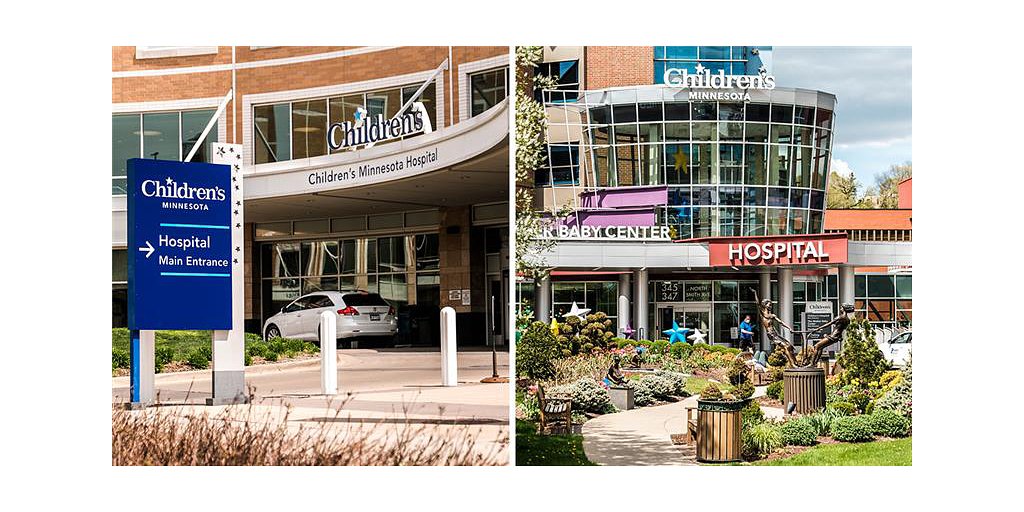
In Minneapolis, however, an innovative business model is taking shape, designed not just to manage this crisis, but to fundamentally redesign the pathway to care. A strategic partnership between Children’s Minnesota, one of the nation's largest pediatric health systems, and Washburn Center for Children, a leading community mental health provider, is challenging the status quo. By embedding community-based expertise directly within the hospital's acute care setting, they are creating a new blueprint for crisis response that holds lessons for healthcare systems nationwide.
The Anatomy of a Systemic Failure
The phenomenon of ED boarding is the logical endpoint of a system under immense pressure. In 2021, the American Academy of Pediatrics joined other leading medical groups in declaring a national emergency in child and adolescent mental health. The statistics are sobering: emergency department visits for mental health conditions among youth surged 31% between 2019 and 2022. For hospitals, this translates into a daily operational crisis. Children’s Minnesota alone saw more than 1,200 such visits in 2024, a figure that mirrors the national trend.
Boarding occurs when a child in crisis is medically stable but requires psychiatric care that isn't available. With a national shortage of inpatient pediatric psychiatric beds and overwhelmed community mental health services, the ED becomes a default holding area. Research published in the journal Pediatrics found that over 75% of pediatric mental health ED visits result in boarding. These children are twice as likely as adults to be boarded, often for periods far exceeding the 10-20 hour average, stretching into multiple days.
“When a child arrives in our emergency room in the midst of a mental health crisis, they are at their most vulnerable,” said Emily Chapman, MD, president and CEO of Children’s Minnesota. “In these critical moments, it is our responsibility to offer not just care, but a lifeline.”
The business implications are severe. Boarding consumes valuable ED beds, diverts staff from other acute medical cases, and drives up costs in a setting that one expert describes as “the most expensive, least therapeutic” place for a child in mental distress. It represents a profound market failure, where immense need is met with logistical paralysis.
A New Blueprint for Crisis Care
The collaboration between Children’s Minnesota and Washburn Center for Children tackles this failure head-on by re-architecting the care delivery model. Instead of waiting for a spot to open up outside the hospital, the partnership brings the solution inside. The core of the innovation is the introduction of an acute response therapist from Washburn Center who works directly within Children’s Minnesota’s emergency departments.
This therapist’s role is not merely to assess, but to act as a logistical and therapeutic bridge. While the child is still in the ED, the therapist engages the family to build an immediate safety and stabilization plan. The program’s ambitious goal is to connect the family with intensive in-home or community-based support within 72 hours of the referral. This model fundamentally shifts the focus from inpatient admission to rapid community reintegration.
Key components of this new workflow include:
* Pre-Discharge Planning: Developing a concrete family stabilization plan before the child leaves the hospital.
* Rapid Connection: Actively linking families to follow-up therapy, skill-building programs, and community resources.
* System Navigation: Assisting caregivers with the often-bewildering documentation and bureaucracy of public health systems.
“Innovative partnerships are essential to transforming children’s mental health care,” noted Craig Warren, CEO of Washburn Center for Children. “With this new collaboration, we’re planting the seeds of hope—creating a better way for families to find support, care, and healing when it matters most.” By embedding a community expert in the ED, the model ensures a “warm handoff,” dramatically improving care continuity and reducing the chances of the family falling through the cracks upon discharge.
An Emerging National Strategy
The Minneapolis partnership is not happening in a vacuum. It represents a leading example of an emerging national strategy to integrate mental health services more deeply into acute medical settings. Across the country, forward-thinking pediatric hospitals are experimenting with similar models to break the boarding cycle.
Institutions like Nationwide Children's Hospital in Ohio and Children's Hospital Colorado have implemented their own behavioral health crisis response teams within their EDs. Others, like Connecticut Children's, have partnered with community agencies to create mobile crisis services that can be dispatched to the hospital. While the specific structures vary, the underlying business logic is the same: move specialized expertise to the point of crisis to facilitate a faster, more appropriate disposition.
These integrated models are proving their value. Reported outcomes consistently include reduced ED lengths of stay, lower rates of inpatient psychiatric admissions, and improved family satisfaction. By diverting children from costly inpatient stays when appropriate, hospitals can free up critical resources and focus on patients who truly require that level of care. This approach aligns perfectly with the broader industry shift towards providing care in the least restrictive—and often least costly—setting possible.
The Business Case for Integrated Mental Health
While the human imperative is clear, the strategic business case for this model is equally compelling. For hospitals, reducing ED boarding is a direct path to improved operational efficiency, higher throughput, and better allocation of high-cost resources. For health systems and insurers, preventing re-admissions and future crises through effective, early intervention represents a significant long-term return on investment.
This approach is a real-world application of value-based care principles, where payment and incentives are tied to patient outcomes rather than the volume of services provided. A successful intervention that stabilizes a family and connects them to sustainable community support is far more valuable—both clinically and financially—than a multi-day ED stay followed by a disjointed discharge.
Of course, significant challenges remain. The national shortage of pediatric mental health professionals is a major barrier to scalability. Furthermore, securing sustainable funding beyond initial grants or pilot funds is critical. Long-term success will depend on payers, including Medicaid and private insurers, recognizing the value of these integrated services and creating clear reimbursement pathways for them.
Ultimately, the partnership between Children's Minnesota and Washburn Center is more than just a new program; it's an innovation in organizational design. It demonstrates that by breaking down the silos between hospital-based and community-based care, health systems can build a more resilient, efficient, and humane response to one of the most urgent challenges of our time. This strategic collaboration offers a powerful model for how to transform a point of systemic failure into a gateway for lasting healing.