
- $8,200 grant from Dickey’s Barbecue Pit Foundation to Richland Fire Department for advanced rescue equipment
- 9,700 calls handled by the Richland Fire Department in the last reporting year
- $160,000+ annual giving by The Dickey Foundation, with grants typically ranging from $5,000 to $10,000
Experts would likely conclude that this model of hyperlocal, needs-based corporate philanthropy effectively strengthens community ties, enhances operational capabilities for first responders, and demonstrates a scalable approach to CSR that can be replicated across industries.
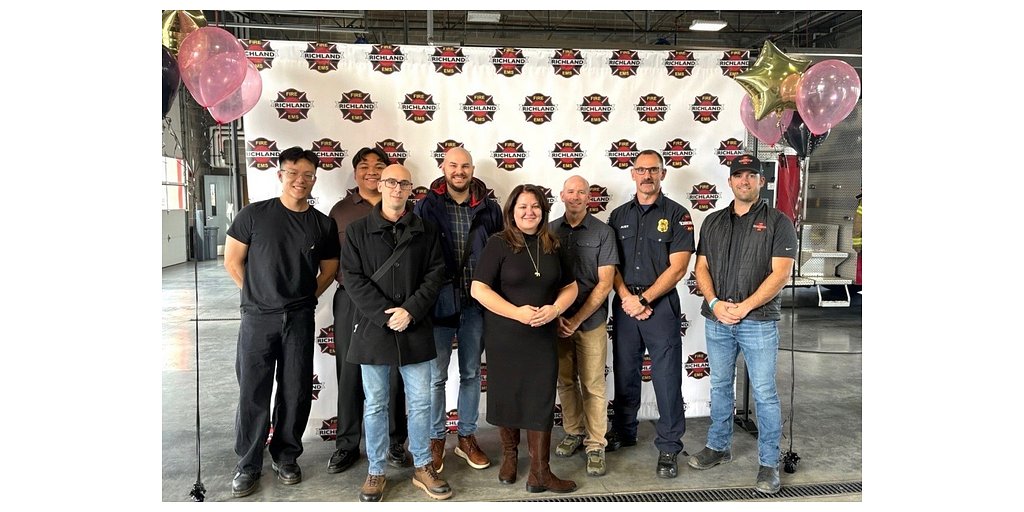
Beyond the Core Mission: A Blueprint for Hyperlocal Corporate Impact
DALLAS, TX – December 01, 2025 – An $8,200 grant from a national restaurant chain's foundation to a local fire department in Washington state might seem, at first glance, far removed from the high-stakes world of biopharmaceutical development. However, the transaction between The Dickey Foundation and the Richland Fire Department offers a compelling strategic blueprint for how large, national corporations—regardless of their industry—can execute meaningful, high-impact corporate social responsibility (CSR) at a granular, local level. For leaders navigating complex market dynamics, this model of community investment provides critical insights into building brand equity, fostering stakeholder trust, and creating a sustainable competitive advantage.
The event itself was straightforward: The Dickey Foundation, the charitable arm of Dickey’s Barbecue Pit, funded the purchase of advanced rescue equipment for Richland’s first responders. But a closer analysis reveals a sophisticated mechanism of corporate philanthropy that moves beyond simple check-writing to address specific, critical needs with precision and local intelligence.
From General Donation to Strategic Empowerment
The core of the grant was not just money, but a targeted acquisition of critical hardware: two High Power Battery Saw Bundles and two additional Diamond Priya blades. For the Richland Fire Department, which handled over 9,700 calls for service in the last reporting year, this equipment represents a significant operational upgrade. Unlike traditional gas-powered saws, modern battery-powered units offer immediate, reliable ignition without the risk of fuel-line failures or the hazard of exhaust fumes in confined rescue spaces. This is a crucial advantage when firefighters are breaching a compromised structure or performing a rapid vehicle extrication.
The inclusion of Diamond Priya blades—specialized, vacuum-brazed diamond blades—further underscores the strategic nature of the donation. These blades are engineered for cutting through the difficult materials common in urban emergencies, such as steel, rebar, and concrete. According to Deputy Chief Randy Aust of the Richland Fire Department, this equipment "directly strengthens our ability to respond to emergencies" and "enhances both firefighter safety and the lifesaving work we do daily."
This isn't just a feel-good story; it's an example of needs-based procurement funded through a corporate channel. The $8,200 grant addresses a specific capability gap. While the department's operating budget exceeds $22 million, specialized equipment purchases often compete with myriad other priorities. As seen with other recent grants the department has sought, external funding like this allows for modernization and enhancement outside of core budget cycles, directly improving response effectiveness and personnel safety—a tangible return on philanthropic investment.
The Local Catalyst: Activating the Franchise Network
The most potent element of this CSR model is its reliance on a local champion. The press release and subsequent analysis make it clear that this grant was not an impersonal decision made at a distant corporate headquarters. It was driven by Ken Bush, the local Dickey’s Barbecue Pit franchisee and a Richland native. Bush acted as the critical link, identifying the fire department's need, advocating for the grant within the national foundation's framework, and bringing the parties together.
This "franchisee-as-catalyst" model solves a fundamental challenge for national brands: how to authentically connect with and support hundreds of disparate communities. By empowering local owner-operators like Bush, who have deep personal and economic ties to their towns, the corporation can ensure its philanthropic efforts are relevant, welcome, and effectively deployed. Bush’s statement, "As someone who grew up here, supporting the Richland Fire Department is deeply personal," encapsulates the power of this approach. His actions, including providing a complimentary lunch for the grant ceremony, transformed a corporate transaction into a genuine community event, strengthening the bond between the business, first responders, and city officials.
This strategy is a masterclass in distributed CSR. It leverages the national brand's financial resources (The Dickey Foundation) but relies on the local franchisee's social capital and on-the-ground knowledge. For any national or global company, including those in the pharmaceutical sector with vast sales and research networks, this model is highly replicable. It demonstrates how to translate broad corporate values—in this case, a stated commitment to supporting first responders—into concrete local action that resonates far more deeply than a generic national campaign.
A Scalable System for National Impact
The Richland grant is not an isolated act of generosity but a single data point in a much larger, systemic philanthropic effort. Research into The Dickey Foundation reveals a consistent and strategic pattern of giving, with a clear focus on equipping first responders. The Foundation, established in 2016, typically awards grants between $5,000 and $10,000, reviewing applications quarterly to fund specific equipment needs.
Recent donation cycles paint a picture of a well-oiled machine targeting public safety gaps across the country. In one quarter alone, the foundation allocated nearly $40,000 to departments in West Virginia, Tennessee, Georgia, and Oklahoma for items ranging from ballistic armor and tactical helmets to rescue tools and a high-tech drone. Another cycle saw grants for advanced radios in Texas, paramedic armor in Nevada, and wildfire PPE in Pennsylvania. This portfolio of giving demonstrates a sophisticated understanding of the diverse challenges facing modern emergency services.
With a reported annual giving total exceeding $160,000 and significant fundraising success—such as a single event raising $230,000—the foundation operates as a serious, mission-driven non-profit. As Laura Rea Dickey, CEO of Dickey’s Barbecue Restaurants, Inc., stated, "Supporting first responders is core to who we are as a brand." This is not an afterthought but an integrated part of the brand's identity. The speed she alludes to—"while we smoke our brisket low and slow, when there is a first responder grant request we can fulfill, we move fast"—highlights an operational agility that is key to its success, allowing it to respond to community needs with purpose and efficiency. This systematic approach ensures that the impact is both widespread and consistently aligned with the corporate mission, providing a powerful example of how to scale localized impact to a national level.
This model of targeted, locally-activated, and systematically managed philanthropy offers a valuable lesson in building resilient, positive relationships between corporations and the communities they serve. It proves that strategic community investment is not merely a cost center but a powerful driver of brand loyalty, stakeholder trust, and long-term business sustainability.