
- 41,000+ youth have gained access to athletic equipment and apparel through GEICO's initiatives since 2010.
- GEICO reduced its traditional advertising spend significantly in the past year, reallocating resources to narrative-driven marketing.
- Thousands of basketballs, footballs, and new scoreboards were donated to high-need communities in 2026.
Experts would likely conclude that GEICO's shift to purpose-driven sports sponsorships represents a forward-thinking strategy that aligns brand value with community impact, setting a new standard for corporate engagement in youth sports.
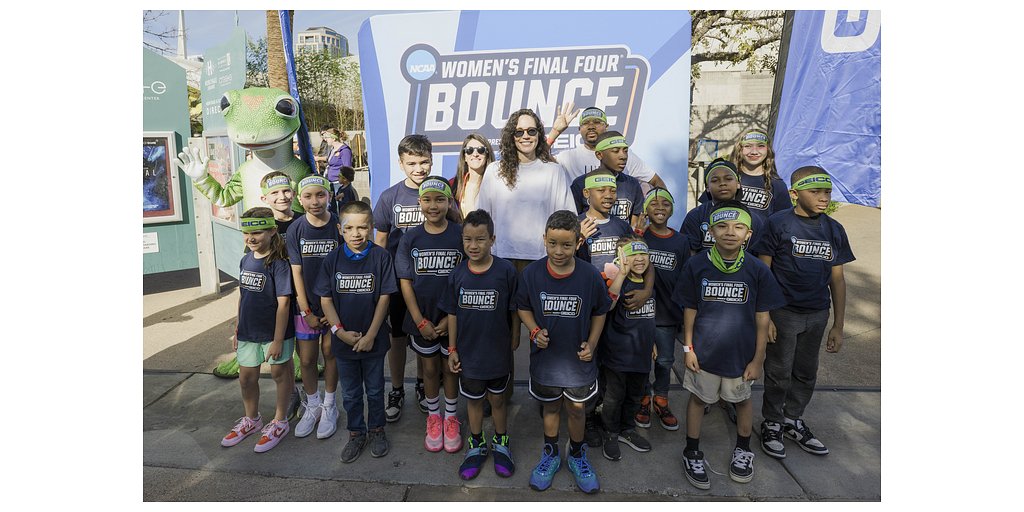
Beyond the Buzzer: GEICO's New Playbook for Brand and Community
NEW YORK, NY – April 06, 2026 – As the confetti settled on another thrilling March Madness, the loudest buzz for insurance giant GEICO wasn't about a game-winning shot, but about a strategic pivot that is reshaping the landscape of corporate sports sponsorship. While millions tuned in for the basketball, GEICO was executing a multi-layered campaign that leveraged its longstanding NCAA partnership not just to sell policies, but to invest directly in the future of youth sports, demonstrating a sophisticated understanding that modern brand loyalty is built on more than just visibility.
The company's efforts culminated during the Final Four weekends in Indianapolis and Phoenix, but the strategy was months in the making. It represents a significant move in the corporate world's evolving relationship with sports, shifting from passive advertising to active, purpose-driven engagement that aims to deliver both community impact and brand value.
The Rise of Purpose-Driven Sponsorships
In an era where consumers, particularly younger generations, are increasingly skeptical of traditional advertising, companies are searching for more authentic ways to connect. GEICO's recent strategy offers a compelling case study in this transition. The centerpiece of this new approach is not a 30-second commercial but "Miles That Matter," a branded docuseries on the Paramount+ streaming service.
Featuring the personal journeys of athletes like NCAA champion Azzi Fudd and WNBA star Napheesa Collier, the series eschews overt sales pitches for intimate storytelling, focusing on the support systems and communities that fuel success. This form of content marketing is designed to build an emotional connection, associating the GEICO brand with values like perseverance, family, and community—a far cry from simply placing a logo on a scoreboard. This move is particularly notable given recent industry reports indicating GEICO significantly reduced its traditional advertising spend in the past year, suggesting a deliberate reallocation of resources towards more narrative-driven, high-impact marketing initiatives.
"Sports help build confidence and character, and programs like NCAA Dribble & Bounce and our work with Boys & Girls Clubs turn that belief into action," said Arianna Orpello, GEICO’s Chief Marketing Officer, in a statement. "At GEICO, we focus on expanding access and supporting young people where it matters most, on and off the court, in the communities we serve."
From Corporate Strategy to Community Impact
The tangible results of this strategy were on full display across the country. In Indianapolis and Phoenix, the GEICO-presented Final Four® Dribble and Bounce events saw thousands of children take to the streets, dribbling basketballs alongside legends like Tamika Catchings and Sue Bird. These family-friendly events placed young participants at the very heart of the March Madness spectacle, creating memorable experiences designed to inspire a lifelong love of the game.
Beyond these high-profile events, GEICO's investment deepened through a crucial partnership with the non-profit Good Sports and the Boys & Girls Clubs of America. In Houston, San Diego, Phoenix, and Indianapolis, this collaboration resulted in the donation of thousands of basketballs, footballs, and other essential athletic equipment to children in high-need communities.
The commitment went further than just providing gear. In Phoenix and Indianapolis, GEICO funded the installation of brand-new scoreboards for Boys & Girls Club courts, a permanent upgrade that will serve local youth for years to come. This initiative is part of a longer-term commitment for the company, which has helped more than 41,000 young people gain access to athletic equipment and apparel since 2010, often with its own employees volunteering to distribute the gear and engage with the communities directly.
Addressing a Critical Need in Youth Sports
GEICO's initiative does not exist in a vacuum; it directly addresses a growing crisis in youth sports access across the United States. Research from organizations like the Aspen Institute's Project Play has consistently highlighted a troubling decline in participation, largely driven by soaring costs. The rise of a "pay-to-play" culture, where families can spend thousands of dollars annually on fees, travel, and elite coaching, has created significant barriers, effectively sidelining children from lower-income households.
These communities often lack not only the financial resources but also the basic infrastructure—safe playing fields, adequate equipment, and organized programs—to keep kids active. The consequences extend far beyond the court. Studies consistently link sports participation to improved physical and mental health, better academic outcomes, and the development of critical life skills such as teamwork, discipline, and resilience.
By providing brand-new equipment and upgrading facilities, corporate programs like GEICO's help level the playing field, removing a fundamental barrier to entry. While not a panacea for the systemic issues facing youth sports, these targeted injections of resources provide immediate, tangible support where it is needed most, ensuring that access to play is not solely determined by a child’s zip code or their family's income.
The New Corporate Playbook
GEICO is not alone in leveraging sports for social good. Competitors like State Farm, with its "Neighborhood of Good" program, and Allstate have long-standing community initiatives tied to their sports sponsorships. However, GEICO's March Madness campaign is notable for its comprehensive and tightly integrated approach.
By weaving together high-visibility events, on-the-ground equipment donations, permanent infrastructure upgrades, and a sophisticated branded content strategy, the company has created a powerful, multi-channel narrative. This playbook demonstrates a shift from viewing CSR as a separate, charitable silo to integrating it directly into the core marketing strategy. The goal is no longer just to be seen at the game, but to be seen as part of the game's ecosystem, from the grassroots level to the national stage. This holistic approach serves as a blueprint for how major brands can harness the immense cultural power of sports to drive meaningful social change while simultaneously building a more resilient and respected brand identity for the future.