
- 16,800 sq ft: Size of The Lake House amenity center at Kensington Ridge
- 64%: Percentage of prospective 55+ community residents interested in health and fitness groups
- 300+ homes sold: Over 300 of 611 planned homes sold in just over a year at Kensington Ridge
Experts would likely conclude that Del Webb's success in the 55+ market stems from its strategic focus on lifestyle-driven amenities and community engineering, which caters to the evolving demands of active retirees.
Beyond the Blueprint: Del Webb's Strategy for Dominating the 55+ Market
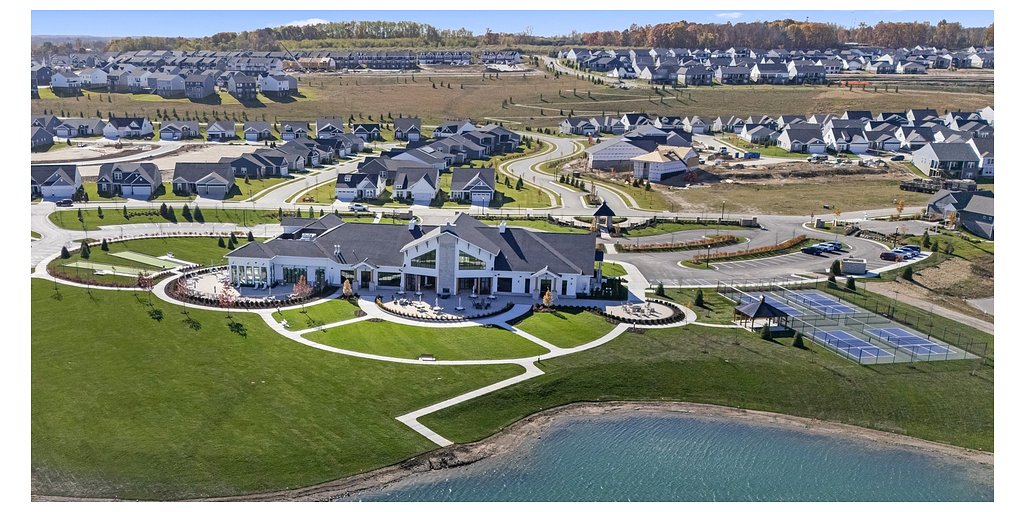
MILFORD, MI – December 10, 2025 – In the quiet township of Milford, Michigan, a grand opening is signaling more than just a new building; it’s showcasing a masterclass in market-driven innovation. Del Webb, a national leader in active adult communities, recently unveiled The Lake House, a sprawling 16,800-square-foot amenity center at its Kensington Ridge development. While the press release touts resort-style living, the real story lies in the meticulously crafted business strategy that this clubhouse represents. With over half of the community's 611 planned homes sold since its opening in mid-2023, Del Webb isn't just building houses; it's engineering a highly sought-after lifestyle product, and its success offers a powerful lesson in business innovation for a new era of consumers.
The New Retirement: A Market Shift to Active Lifestyles
The traditional concept of retirement as a period of passive rest is rapidly becoming obsolete. Today’s 55+ demographic, largely comprised of active and engaged Baby Boomers, is seeking something entirely different. This is a consumer base that prioritizes health, social connection, and continued personal growth. Del Webb, a brand under the PulteGroup umbrella, has built its market leadership on an astute understanding of this fundamental shift. The company’s strategy pivots away from simply selling real estate and toward delivering a comprehensive, curated living experience.
The Lake House at Kensington Ridge is the physical embodiment of this strategy. It’s not an afterthought but the central engine of the community's value proposition. The facility includes a state-of-the-art fitness center, an indoor heated pool, and even a golf simulation room—amenities that directly cater to a desire for health and wellness. Research shows that 64% of prospective 55+ community residents are interested in health and fitness groups, making such facilities a critical driver of purchasing decisions. Beyond fitness, versatile craft rooms and multipurpose spaces provide a platform for lifelong learning and hobbies, addressing the intellectual and creative pursuits of modern retirees. This consumer-inspired approach demonstrates a deep listening to the market's evolving demands, turning customer desires into tangible, marketable assets.
Engineering a Community: The Clubhouse as a Strategic Hub
For Del Webb, the amenity center is far more than a list of features; it's a strategic tool for community engineering. In a market where buyers are increasingly purchasing a lifestyle, the clubhouse serves as the vibrant social heart of the development. It is designed to be the nexus of resident interaction, the “town square” where friendships are forged and a sense of belonging is cultivated. This is a crucial differentiator in a competitive housing landscape. While competitors may offer similar homes, few can replicate the scale and vibrancy of a fully programmed community hub.
A key component of this strategy is the inclusion of a full-time lifestyle director. This role is pivotal, transforming the physical space into a living, breathing community. The director’s job is to organize clubs, coordinate events, and facilitate the social connections that residents crave. From pickleball tournaments and bocce ball leagues on the outdoor courts to workshops and social gatherings inside The Lake House, this curated programming ensures that the community’s social infrastructure is as robust as its physical one. This transforms the offering from a simple collection of homes with shared facilities into a managed, service-oriented experience, justifying a premium and fostering long-term resident satisfaction. It is a direct investment in the social capital of the community, which in turn becomes one of its most powerful selling points.
A Case Study in Market Demand: Kensington Ridge's Michigan Success
The rapid sales pace at Kensington Ridge—over 300 of 611 homes sold in just over a year—validates Del Webb's strategy and highlights the potent demand for this type of product in regions like Michigan. The state, with its relatively lower cost of living, is becoming an increasingly attractive destination for retirees. Del Webb’s aggressive expansion in Michigan, with multiple communities across the state, indicates a strategic bet on this regional growth. The success at Kensington Ridge, where prices start in the mid-$300s, proves that a significant market segment is willing to invest in a high-quality, amenity-rich lifestyle.
The community's location adds another strategic layer. Situated on a 43-acre lake with access for kayaking and adjacent to the massive 4,481-acre Kensington Metropark, the development leverages natural amenities to enhance its resort-style appeal. This combination of built and natural infrastructure creates a unique value proposition that is difficult for competitors to match. While other developers in Michigan target the 55+ market, Del Webb’s formula of scale, comprehensive amenities, professional lifestyle management, and strategic location selection has established a formidable competitive advantage, solidifying its leadership position.
The Blueprint for Growth: Replicating a Winning Formula
The success at Kensington Ridge is not an isolated event but a reflection of Del Webb's refined and replicable national strategy. The company’s GenYou™ home designs, which focus on livability and flexible spaces, are another pillar of its consumer-centric approach, allowing buyers to tailor their homes to their specific needs. This combination of personalized homes and a vibrant, managed community life creates a powerful and holistic product.
This business model redefines value in the residential real estate sector. The focus shifts from the cost per square foot of a house to the perceived value of the entire life experience offered. By investing heavily in the social and recreational infrastructure of their communities, Del Webb creates a durable competitive moat. The innovation here is not a single piece of technology, but a comprehensive business model built on a deep understanding of a target demographic and a commitment to delivering a superior lifestyle product. It's a strategic play that other industries could learn from: understanding that today’s consumers are often buying not just a product, but an identity and a community.