
- $160 billion: Projected global men's grooming market size by 2033
- 10% CAGR: Compound annual growth rate for the traditional wet shave segment over the next decade
- 77% organic: Hardwicke's shaving cream formulation
Experts agree that the 'slow shave' movement reflects a broader cultural shift toward mindfulness and sustainability in personal grooming, driven by demand for premium, experience-driven products among younger consumers.
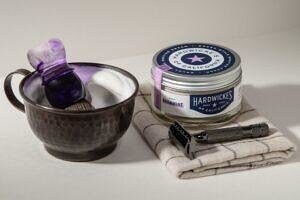
Beyond the Blade: Is 'Slow Shaving' the Next Wave in Mindful Self-Care?
SAN RAFAEL, CA – November 25, 2025 – The launch of a new men's grooming product might typically register as a minor ripple in the vast consumer market. Yet, the recent debut of Hardwicke's of California's brush-style shaving cream line feels different. It arrives not just with California-inspired scents and premium ingredients, but with a guiding philosophy: the "slow shave." This concept, which champions the deliberate, methodical use of traditional tools like safety razors and brush-applied creams, is less a product feature and more a statement on modern life.
By encouraging men to transform a hurried daily chore into a mindful ritual, Hardwicke's is tapping into a powerful undercurrent reshaping the wellness landscape. The move signals a broader shift where the principles of mindfulness and self-care are migrating from the yoga mat and meditation app directly to the bathroom counter. This isn't just about achieving a closer shave; it's about reclaiming a few quiet, intentional moments in a world that relentlessly demands speed and convenience.
The Burgeoning Market for Mindful Moments
The philosophy behind Hardwicke's launch is not based on anecdotal sentiment alone; it is a strategic entry into a rapidly expanding market. The global men's grooming industry, valued in the tens of billions, is projected to see substantial growth, with some analysts forecasting a market size exceeding $160 billion by 2033. Within this booming sector, the traditional wet shave segment is experiencing a particularly sharp resurgence. Market projections show this niche growing at a compound annual growth rate (CAGR) of nearly 10% over the next decade.
The drivers behind this growth extend far beyond simple hygiene. A significant catalyst is a cultural pivot towards intentionality and wellness, especially among Millennial and Gen Z consumers. These demographics are increasingly viewing personal care not as a perfunctory task, but as an integral component of their mental and physical well-being. This has fueled a demand for premium, experience-driven products that offer more than just functional benefits. The "slow shave" movement directly caters to this desire, offering an analog antidote to digital fatigue and a tangible connection to a more deliberate, sensory experience. Furthermore, with studies indicating that over 75% of consumers perform their grooming routines at home, the market for high-quality products that can elevate this domestic ritual is stronger than ever.
This trend is also interwoven with a growing consciousness around sustainability. The "slow shave" ethos inherently pushes back against the disposable culture embodied by plastic cartridge razors and aerosol cans. By advocating for durable safety razors and creams that produce less waste, brands like Hardwicke's are aligning with a consumer base that increasingly prioritizes eco-friendly practices and long-term value over short-term convenience.
Craftsmanship, Cost, and the Calculus of Value
With its new Brush-Style Shaving Creams priced at $58, Hardwicke's of California is positioning itself at the ultra-premium end of the market. This price point places it significantly above many well-regarded traditional brands, such as the UK's Taylor of Old Bond Street, whose creams often retail for less than half that price, and even surpasses the typical offerings from luxury mainstays like Art of Shaving. This bold pricing strategy necessitates a powerful value proposition, which the company attempts to build through a trifecta of quality, transparency, and a compelling brand story.
The brand's claim that its creams are "77% organic" is a key differentiator in a market where consumers are increasingly scrutinizing ingredient lists. This specific figure suggests a commitment to clean formulations and appeals directly to the health-conscious segment of the wellness market. The formulation itself, developed using traditional soap-making techniques in San Rafael, California, features ingredients chosen for performance and skin-feel. The inclusion of meadowfoam seed oil, known for its exceptional moisturizing properties, and glycerin, a natural humectant that enhances razor glide, aims to deliver on the promise of a "dense, cushiony lather" that reduces irritation. The addition of pine rosin suggests a unique formulation designed for a superior sensory and functional experience.
This focus on artisanal production and premium ingredients frames the product not as a simple consumable, but as an investment in a high-quality experience. However, it also raises critical questions about accessibility. Is the "slow shave" movement an inclusive shift toward better self-care for all, or is it becoming another facet of a luxury wellness market accessible only to the affluent? While the initial cost of a quality safety razor and brush can be offset over time by the low cost of replacement blades, a $58 shaving cream firmly anchors the daily ritual in luxury territory. The long-term success of this strategy will depend on whether a growing number of consumers perceive the enhanced experience and ingredient quality as sufficient justification for the premium cost.
From Routine Chore to Restorative Ritual
The core innovation being offered by Hardwicke's and the broader "slow shave" movement is not technological, but psychological. It is about reframing the entire act of shaving from a mundane necessity into a structured, restorative ritual. This shift aligns perfectly with the column's focus on how innovation is adopted and its impact on experience. The process of traditional wet shaving demands a level of presence and focus that is inherently meditative.
Consider the steps: the blooming of a shaving brush in warm water, the circular motion of whipping cream into a rich lather, the careful painting of that lather onto the face, and the measured, precise strokes of a safety razor. Each stage is a sensory checkpoint. Unlike the hurried scrape of a disposable razor, this method forces a slowdown. It requires attention to angle, pressure, and technique, pulling the user's focus away from the day's anxieties and into the present moment. This act of focused attention is, in essence, a form of mindfulness practice.
This ritualistic approach provides a structured start or end to the day, creating a psychological buffer against the chaos of modern life. For many adherents, these 10 to 15 minutes are a non-negotiable form of self-care, providing a sense of control, calm, and accomplishment. The tangible benefits—a closer, less irritating shave and healthier skin—become secondary reinforcements of the ritual's value. The experience is what hooks the consumer, transforming them from a passive user into an active participant in their own well-being.
The Power of Place and Authenticity
In a crowded global marketplace, a strong and authentic brand identity is paramount for any new entrant, especially one competing in the premium sector. Hardwicke's of California leans heavily into its regional identity as a cornerstone of its brand narrative. The "California-made" ethos, with production centered in San Rafael, is more than just a logistical fact; it's a marketing tool that taps into the consumer desire for local, artisanal products with a transparent supply chain.
This identity is further cemented through its product line. The four California-inspired scents—Sopa De Lima, Panamint, 1847, and Native State—are designed to evoke a specific sense of place, transforming the olfactory element of the shave into a form of storytelling. This strategy aims to build an emotional connection with the consumer that transcends the product's functional use. It suggests that using the cream is not just about shaving, but about partaking in a specific, curated lifestyle associated with Californian craftsmanship and natural landscapes.
For a new company facing established heritage brands from London and Italy, some with centuries of history, this narrative of modern American craftsmanship is a critical differentiator. It allows the brand to build a unique culture and community around its products. The ultimate test will be whether this story, combined with the product's performance and its alignment with the powerful trend toward mindful self-care, can convert curious consumers into loyal advocates. The brand is betting that in today's market, the story you tell is just as important as the product you sell.