
- 100+ artifacts from The Henry Ford's collections, many displayed for the first time
- Exhibition runs from March 21, 2026, to January 18, 2027
- Part of the U.S. Semiquincentennial national commemoration
Experts view this exhibition as a crucial exploration of America's craft legacy, demonstrating how handmade objects have shaped the nation's identity, economy, and creative spirit throughout history.
Beyond the Assembly Line: The Henry Ford's 'Handmade' Exhibit
DEARBORN, MI – March 18, 2026 – As the United States prepares to mark its 250th anniversary, The Henry Ford is set to unveil a major new exhibition that shifts the focus from the assembly line to the artisan's workbench. Handmade: The Crafting of America, running from March 21, 2026, to January 18, 2027, in the Henry Ford Museum of American Innovation, will explore the profound and often-overlooked role of handmade objects in shaping the nation's identity, economy, and creative spirit.
Featuring over 100 artifacts drawn exclusively from the institution's own vast collections, the exhibition promises a journey through the evolution of American craft. From practical objects born of necessity to contemporary works of art that challenge convention, Handmade aims to tell a story of resilience, resourcefulness, and entrepreneurship that is central to the American experience.
A Nation Forged by Hand
The timing of the exhibition is no coincidence. It serves as a cornerstone of The Henry Ford's programming for the U.S. Semiquincentennial, a nationwide commemoration of 250 years since the signing of the Declaration of Independence. The national America250 initiative encourages Americans to reflect on their past, engage with their communities, and unite around the ideals that have shaped the country. The Henry Ford's exhibition directly answers this call by examining a fundamental, hands-on aspect of American ingenuity.
While often celebrated for its industrial might, America's story is equally one of individual creators solving problems, expressing cultural identity, and building communities through skilled labor. Handmade will delve into this narrative, exploring why people create, who they create for, and how craft traditions have persisted and evolved through centuries of social and technological change. The exhibition's themes align with the national commemoration's goal of exploring the diverse contributions that have defined the United States, presenting craft not as a quaint relic of the past but as a dynamic and continuous force in American life.
By showcasing the ingenuity inherent in everything from folk art to pottery, the museum offers a powerful counter-narrative to the story of mass production, suggesting that innovation is found as much in the careful work of a single pair of hands as it is in a sprawling factory.
Unveiling Treasures from the Collection
A significant aspect of Handmade: The Crafting of America is its curatorial focus. By drawing solely from its own deep archives, The Henry Ford highlights the breadth and importance of its holdings, with many of the over 100 artifacts being displayed to the public for the first time in decades, if ever. This approach allows the museum to recontextualize familiar narratives and introduce visitors to hidden gems that tell a more nuanced story of American innovation.
The exhibition is thoughtfully organized into four key areas, guiding visitors through a rich timeline of American craft:
- Folk Art and Craft: This section will showcase the diverse ways Americans have used craft to tell stories, build businesses, express cultural heritage, and celebrate individuality.
- The Shakers: Known for their belief in "prayer through work," this 19th-century religious community produced objects of sublime simplicity and functionality. The exhibit will explore how their spiritual principles translated into exquisite craftsmanship.
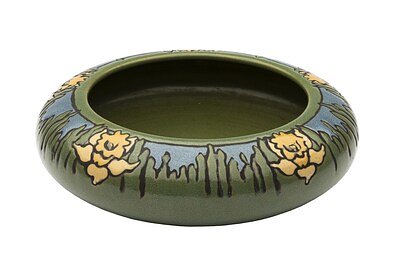
- The Arts and Crafts Movement: A direct reaction to the Industrial Revolution, this late 19th and early 20th-century movement championed the integrity and beauty of handcrafted goods. A centerpiece from the Saturday Evening Girls, decorated by Sara Galner in 1914 with stylized irises, exemplifies the movement's aesthetic and social goals, which provided employment and empowerment for immigrant women.
- Modern Craft: This section will demonstrate the persistence of craft through the 20th and 21st centuries, showing how contemporary artists and makers continue to use traditional skills to reflect modern societal values and push creative boundaries.
Among the highlighted pieces are works by African American ceramic entrepreneur Thomas Commeraw, items from the utopian Roycrofter community, and the vibrant pictorial hooked rugs of Iowan farmer Emeline Miner, each object a testament to a unique story of American creativity.
From Arts and Crafts to the Maker Movement
The exhibition provides a crucial historical lens, connecting past movements with present-day trends. The Arts and Crafts movement, which began in England with figures like William Morris and found a unique voice in America through artisans like Gustav Stickley, was a philosophical rebellion against the perceived dehumanization of industrial production. It sought to restore dignity to labor and beauty to everyday objects, an ideal that resonates powerfully today.
This historical precedent finds a modern echo in the 21st-century "maker movement." Fueled by accessible technology like 3D printers and a collaborative, do-it-yourself ethos fostered in community makerspaces, this contemporary resurgence celebrates hands-on creation, problem-solving, and sustainable local entrepreneurship. It represents a renewed appreciation for tangible skills and the creation of unique products in an age of digital saturation and global supply chains.
Organizations like the American Craft Council, which is championing a national "Handwork: Celebrating American Craft 2026" initiative for the Semiquincentennial, underscore this enduring interest. By tracing this lineage, Handmade illustrates that the impulse to create with one's hands is not merely a reaction against technology but a fundamental part of the human, and particularly the American, drive to innovate.
The Enduring Power of the Handmade
Beyond its historical and artistic significance, the exhibition illuminates the vital cultural and economic role of craft. Handmade objects are not just artifacts; they are conduits of community, engines of small-scale entrepreneurship, and expressions of cultural identity. In an era of mass consumption, the act of making and valuing handmade goods fosters a deeper connection to the products we use and the people who create them.
For the Dearborn region, major exhibitions at a world-renowned institution like The Henry Ford often translate into significant tourism and economic activity. As part of the museum's year-long "America: 250 Years in the Making" celebration, Handmade is poised to attract a broad audience of history buffs, art lovers, and families, further cementing the institution's role as a key cultural and economic driver in southeastern Michigan.
Ultimately, Handmade: The Crafting of America is more than a collection of beautiful objects. It is an argument for a more holistic understanding of American progress—one where the quiet ingenuity of the potter, the weaver, and the woodworker is recognized as an essential thread in the nation's complex and ever-evolving story.