
- 700 square kilometers of community-managed forest newly recognized in the DRC's Nkuba Conservation Area
- 2,400 square kilometers total protected land in the Nkuba Conservation Area
- 6,800 Grauer's gorillas estimated in 2021 (up from 3,800 in 2016, but still critically endangered)
Experts agree that community-led land rights are proving to be a highly effective conservation model, particularly in regions where traditional state-run parks face significant challenges.
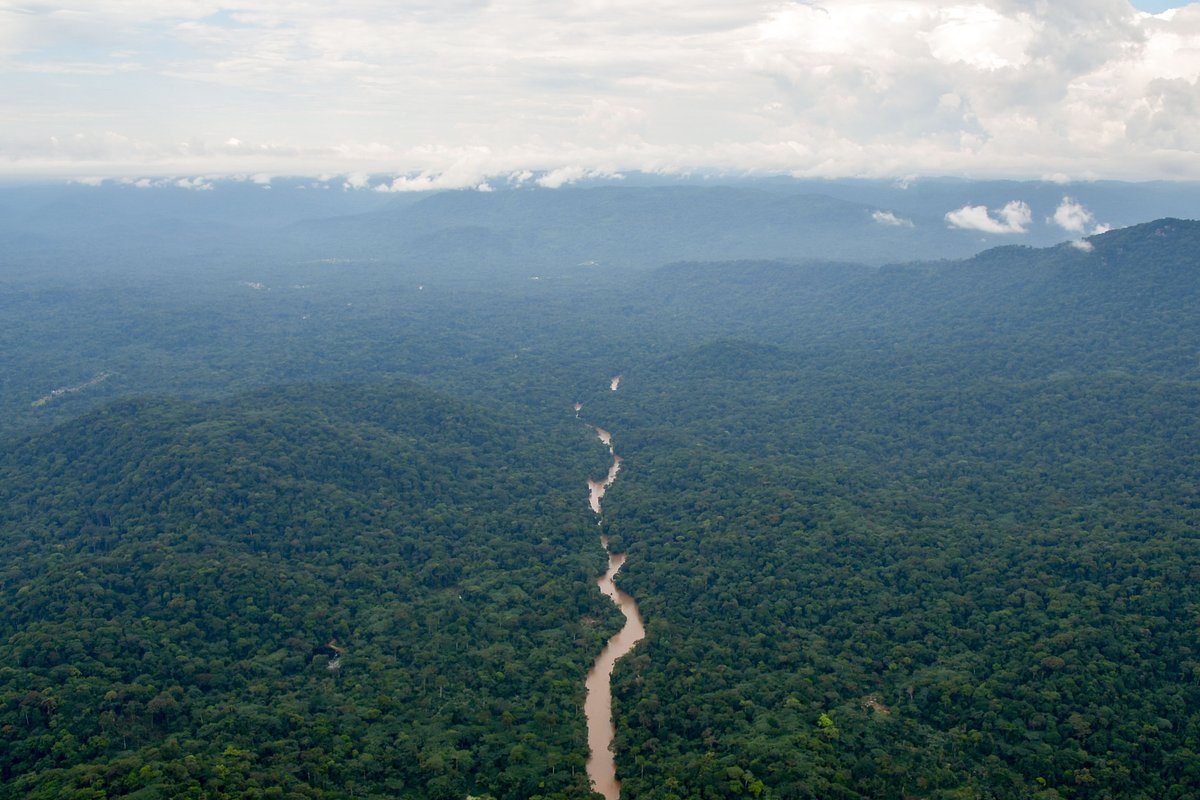
Beyond Parks: How Community Land Rights Are Saving Congo's Gorillas
KINSHASA, DRC – April 21, 2026 – This Earth Day, in a region often defined by conflict, a story of profound resilience and conservation success is unfolding. The Dian Fossey Gorilla Fund has announced the official legal recognition of an additional 700 square kilometers of community-managed forest in the Democratic Republic of Congo's (DRC) Nkuba Conservation Area. The move, commemorating the Fund's 25th year in the country, marks a critical victory for the world's largest primate, the critically endangered Grauer's gorilla.
This expansion is more than just lines on a map. It bolsters a continuous corridor of protected land, now totaling 2,400 square kilometers, and validates a conservation model that places legal power and stewardship directly into the hands of the people who call the forest home. In a landscape where traditional state-run parks face immense pressure, this community-led approach is proving to be a game-changer for both wildlife and people.
A New Blueprint for Conservation
The foundation of this success lies in a progressive legal framework known as Concessions Forestières des Communautés Locales, or CFCLs. Unlike a national park, which is managed by the state and often excludes local populations, a CFCL grants a community perpetual legal rights to their ancestral lands. This allows them to manage, protect, and sustainably use resources from the forest.
The process is far from simple. Securing a CFCL involves a multi-year journey of mapping ancestral boundaries, extensive community consultation, biodiversity surveys, and navigating the government's formal approval process. The Dian Fossey Gorilla Fund provides critical support, helping communities navigate these complex legal and administrative hurdles.
“The most effective custodians of the land are those whose futures rely on it,” said Urbain Ngobobo, the Fossey Fund's Country Director in the DRC. “The community-led model aligns local landowners’ rights to develop their local economy with their inherent interest in maintaining a healthy forest for generations to come.”
This model directly addresses a key vulnerability for Grauer's gorillas, the majority of which live outside formally protected national parks. By securing community forests, the CFCL framework provides a vital layer of protection where it is needed most. While the framework, introduced in the 2002 Forest Code, has faced implementation delays and concerns over administrative capacity, successes in places like Nkuba demonstrate its immense potential when supported by dedicated partners.
A Lifeline for the World's Largest Primate
The stakes could not be higher. The Grauer’s gorilla, found only in the forests of eastern DRC, has faced a catastrophic decline. Between 1995 and 2016, the population plummeted by an estimated 77-80%, falling from around 17,000 individuals to just 3,800. This collapse led the IUCN to reclassify the species as Critically Endangered in 2016.
A more recent 2021 survey provided a revised estimate of 6,800 individuals, but this figure does not signal a population recovery. Instead, it reflects improved survey methods and access to previously uncounted areas. The underlying trend remains a devastating decline of roughly 60% in a single gorilla generation.
The primary threats are interwoven with the region's instability. Illegal hunting for bushmeat is the gravest danger, fueled by the demand from sprawling, illicit mining camps. Gorillas, due to their large size and predictable habits, are a prime target. Habitat loss from agricultural expansion, logging, and infrastructure development further fragments their forest home. These threats are all exacerbated by the pervasive civil unrest that disrupts conservation efforts and provides cover for illegal activities.
Conservation Amidst Chaos
Operating in eastern DRC means confronting some of the world's most formidable challenges. The region is plagued by persistent armed conflict, with clashes between various armed groups and government forces creating a dire humanitarian crisis with over 7 million internally displaced people. This instability is directly fueled by the illegal mining of minerals like coltan and gold, which in turn drives deforestation and the bushmeat trade.
Against this backdrop, the achievements in the Nkuba Conservation Area are nothing short of remarkable. In the 15 years since the Fossey Fund began its work there, the killing of gorillas has stopped. The project has demonstrated that even amidst accelerating civil unrest and the encroachment of illegal mining, empowering local communities creates a powerful buffer against these destructive forces. The sanctuary is not just holding the line; it is thriving.
Evidence of this success is seen in the return of species that had been locally wiped out. Forest elephants, extirpated from the area by poaching in the 1990s, are now returning to the protected corridor, a clear indicator of a healing ecosystem. This proves that when local residents have a legal and economic stake in their environment, they become its most formidable protectors.
From Local Rights to Global Recognition
The success in Nkuba is now gaining international attention as a potential blueprint for conservation worldwide. With today's announcement, 75 percent of the 2,400-square-kilometer Nkuba Conservation Area has secured official legal title, with the final quarter in progress. The area has already been designated a Key Biodiversity Area (KBA), signifying its global importance for preserving species.
Furthermore, Nkuba is under consideration as a model “Other Effective Conservation Measure” (OECM). OECMs are a critical tool in global conservation strategy, recognizing areas outside of traditional parks that deliver effective and sustained biodiversity protection. This framework, central to the Kunming-Montreal Global Biodiversity Framework's goal of protecting 30% of the planet by 2030, values the contributions of Indigenous peoples and local communities.
“Dian Fossey taught us that conservation is a fight for the future. In the Congo Basin, that fight is being won by the people who call Nkuba home,” said Dr. Tara Stoinski, President and CEO of the Dian Fossey Gorilla Fund. “A community-led model proves that when people have the resources to protect their own land, the entire ecosystem – and everyone in it – can truly flourish.”
As the Fund expands this successful model in the DRC, its historic work in Rwanda is also being celebrated on the world stage. A recent Netflix documentary, “A Gorilla Story: Told by David Attenborough,” highlights the legacy that began with Dian Fossey and continues to evolve, offering a powerful message of hope from the heart of Africa.