
- $1 million: Amount one ghost preparer was ordered to pay in restitution after being sentenced to 46 months in prison. - $3 million: Estimated harm caused by another ghost preparer scheme to the U.S. Treasury. - 40,000: Number of registered tax preparers in California under CTEC's oversight.
Experts warn that ghost preparers pose a significant and growing threat to taxpayers, emphasizing the need for vigilance and verification of preparer credentials to avoid financial and legal consequences.
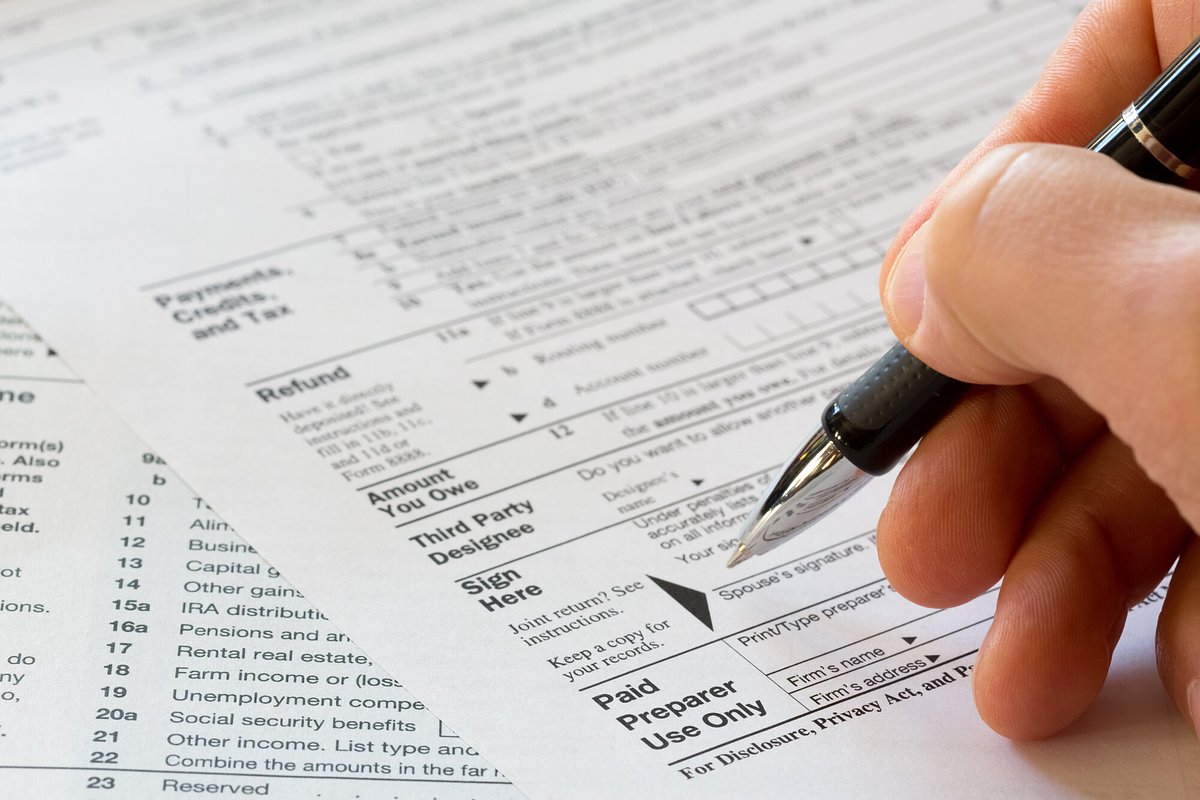
Beware the Ghost Preparer: A Silent Threat Haunting Tax Season
SACRAMENTO, CA – April 10, 2026 – As millions of Americans rush to meet the April 15 tax deadline, a shadowy threat is growing more prominent: the 'ghost preparer.' These individuals operate in the fringes of the financial world, offering the alluring promise of large refunds for a small fee. But after the return is filed, they vanish, leaving a trail of financial and legal devastation for the taxpayers they were hired to help.
Consumer protection agencies like the California Tax Education Council (CTEC) are issuing urgent warnings, cautioning taxpayers against these unlicensed and illegal operators who prepare returns for payment but refuse to sign them, effectively becoming untraceable 'ghosts' in the system.
"Ghost preparers intentionally avoid signing returns to escape accountability," said Fernando Angell, chair of CTEC, in a recent statement. "It's not just unethical, it's illegal. And it puts taxpayers directly at risk."
The Anatomy of a Ghost Scam
The ghost preparer's playbook is built on deception and speed. They often find clients through word-of-mouth, informal community networks, and increasingly, social media advertisements that promise impossibly large refunds. Their tactics prey on financial anxiety and a lack of familiarity with complex tax code.
Key red flags include:
- Refusal to Sign: By law, any paid preparer must sign the return and include their Preparer Tax Identification Number (PTIN). Ghosts refuse to do this, often filing the return as 'self-prepared' to erase their involvement.
- Promises of Huge Refunds: They may guarantee a large refund before even examining a taxpayer's documents. This is often achieved by fabricating deductions, inventing business losses, or falsely claiming tax credits like the Earned Income Tax Credit.
- Cash-Only Payments: They frequently demand payment in cash and refuse to provide a receipt, further obscuring their tracks.
- Refund Diversion: In some of the most brazen schemes, the preparer will direct the taxpayer's refund into their own bank account, providing the client with a fraudulent copy of the return showing a smaller refund or a balance due.
These preparers are masters at evading detection. "They're difficult to track because they deliberately leave no paper trail," noted Lester Crawford, a CTEC board member. "Many taxpayers don't realize something is wrong until it's too late."
The Devastating Aftermath for Taxpayers
For the victims of a ghost preparer, the discovery of the fraud is often the beginning of a long and costly nightmare. The IRS makes it unequivocally clear: taxpayers are legally responsible for all information on their tax return, regardless of who prepared it. When the IRS uncovers a fraudulent return, the consequences fall squarely on the taxpayer.
This liability can include repaying the entire fraudulent refund, plus substantial underpayment and negligence penalties and accumulated interest. What started as a promising refund can quickly morph into a crushing debt. Furthermore, a fraudulent return significantly increases the likelihood of a full-blown audit, a stressful and time-consuming process. In some cases where fabrication is suspected, it can even escalate to a criminal tax investigation.
Beyond the direct financial costs, victims face the risk of identity theft. These unscrupulous individuals have access to a treasure trove of personal information, including Social Security numbers, bank accounts, and addresses, which can be used for further fraudulent activities.
A Systemic Enforcement Challenge
While the problem feels personal to its victims, ghost preparers represent a systemic challenge for federal and state tax authorities. The IRS and the Department of Justice (DOJ) are actively pursuing these cases, but the anonymous nature of the crime makes enforcement difficult.
Federal law imposes significant penalties when these preparers are caught. Civil penalties for failing to sign a return or include a PTIN can reach tens of thousands of dollars. If a preparer is found to have willfully understated a taxpayer's liability, they can face penalties of $5,000 or 75% of their fee per return. The DOJ also frequently seeks court injunctions to permanently bar fraudulent preparers from the industry.
In many cases, the conduct rises to the level of a felony. The DOJ has successfully prosecuted numerous ghost preparers, securing lengthy prison sentences and orders for millions of dollars in restitution. One preparer was recently sentenced to 46 months in federal prison and ordered to pay over $1 million. Another case highlighted by the DOJ involved a scheme that caused over $3 million in harm to the U.S. Treasury. These enforcement actions, while critical, often happen long after the damage to individual taxpayers has been done.
A Patchwork of Protection
The regulatory landscape for tax preparers varies dramatically across the United States, creating an uneven playing field for consumer protection. At the federal level, the IRS is limited to requiring a PTIN after a 2013 court ruling struck down its attempt to mandate competency testing and continuing education for all preparers.
This has left a regulatory gap that a handful of states have tried to fill. California's model, overseen by CTEC, requires non-exempt preparers to complete 60 hours of qualifying education, pass a background check, purchase a surety bond, and complete 20 hours of continuing education annually. This framework provides a verifiable standard for the state's 40,000 registered preparers.
Other states have their own approaches. Oregon is the only state to fully license tax preparers, requiring an exam and extensive coursework. New York and Maryland have registration and education requirements. However, many states have no specific regulations beyond the federal PTIN, creating a 'buyer beware' environment where ghost preparers can thrive with minimal oversight.
How to Protect Yourself This Tax Season
As the filing deadline approaches, experts stress that taxpayer vigilance is the first and best line of defense against fraud. Before entrusting anyone with your sensitive financial data, take the following steps:
- Verify Credentials: Ask for your preparer's PTIN. Use the IRS's online directory to check the credentials of CPAs, attorneys, and Enrolled Agents. For California preparers, visit CTEC.org to confirm they are registered and in good standing.
- Review Your Return: Never sign a blank or incomplete tax form. Read your entire return carefully before you sign it and ask questions about anything you do not understand. You should be comfortable that the information is true and accurate.
- Confirm Your Refund: Ensure your refund is being deposited directly into your own bank account, not a third-party account controlled by the preparer.
- Get a Receipt: Always get a clear receipt for services and keep a copy of your tax return for your records.
If you suspect you have encountered a ghost preparer or other tax-related fraud, you can report the misconduct to the IRS using Form 14157, Complaint: Tax Return Preparer. By choosing a reputable, credentialed professional, taxpayers can ensure their returns are filed accurately and avoid becoming another victim of a ghost.