
- 46,500 individuals in crisis connected to help in 2025
- 19.2% of U.S. adolescents screened positive for depression in 2025 (highest level ever recorded)
- 42% of high school students reported feelings of hopelessness (latest CDC Youth Risk Behavior Survey)
Experts endorse Be Strong's peer-led model as scientifically sound and effective in reducing stigma and fostering social connectedness, though they call for more high-quality research to assess direct mental health outcomes.
Be Strong's Youth-Led Model Aids 46K Amid Worsening Mental Health Crisis
NEW YORK, NY – January 29, 2026 – As the United States grapples with an escalating youth mental health crisis, the national charity Be Strong has reported a significant expansion of its services, connecting over 46,500 individuals in crisis to help in 2025. The organization’s growth comes at a critical time, with recent data painting a stark picture of adolescent well-being. According to the National Center for Health Statistics, 19.2% of U.S. adolescents screened positive for depression in 2025, the highest level ever recorded.
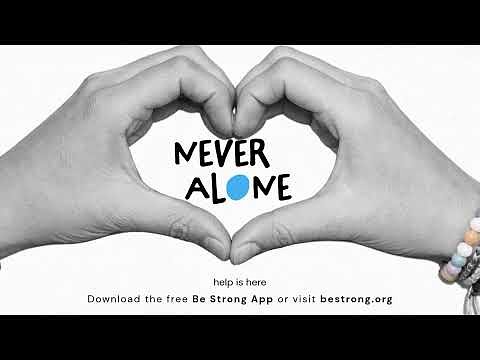
Against this backdrop, Be Strong’s peer-led approach, which reached more than 1.6 million young people last year through volunteerism and leadership programs, is gaining notable traction. The organization combines youth empowerment with data-driven strategy and strategic partnerships to create a responsive support system. This momentum is further reflected in the success of its 'Never Alone Campaign,' which, after meeting an initial $150,000 matching goal, has been extended with an increased goal of $250,000 to meet continued need.
"2025 wasn't just about growth, it was about responsibility," said Ashleigh Cromer, CEO and Chair of Be Strong. "As needs rose, we stayed steady. We were deeply moved by those who showed up to help and equally by the courage of those who chose to ask for help."
The Power of Peer Support
At the heart of Be Strong's strategy is its network of Student Representatives—peer leaders trained to recognize signs of struggle, create meaningful connections, and guide fellow students toward trusted support. This model is built on the premise that young people are often the first to notice when a friend is in distress and are uniquely positioned to bridge the gap between struggle and support.
This approach is supported by a growing body of research highlighting the benefits of peer-led interventions. Studies have shown that such programs can significantly reduce anxiety symptoms and foster a greater sense of social connectedness among students. According to Dr. Pamela Morris Perez, a professor of applied psychology at NYU and a Be Strong advisory board member, the charity's model is scientifically sound.
"Be Strong's highly innovative peer to peer approach builds squarely on the science of adolescent development," Perez stated. "By putting resources directly into the hands of youth, Be Strong is preventing problems from escalating, ensuring that young people are accessing the help they need to thrive."
However, the academic community also notes the need for continued research. While some reviews point to positive outcomes, others, including a May 2025 systematic review, have found that evidence for the direct impact of school-based peer interventions on mental health outcomes can be mixed, calling for more high-quality studies. Despite this, the consensus remains that peer support is a powerful tool for reducing stigma and creating a culture where asking for help is normalized, a crucial first step in addressing the widespread feelings of hopelessness reported by 42% of high school students in the latest CDC Youth Risk Behavior Survey.
Data-Driven Compassion and Digital Access
Be Strong distinguishes its model by integrating technology and real-time data analysis. The organization utilizes community-generated, help-seeking data to understand the specific, evolving needs of young people across different regions. This allows for the continuous alignment of its programs and resources with what individuals are actively seeking, ensuring relevance and effectiveness.
"By listening closely to what communities were asking for in real time, we helped reduce the risk that struggles would become silence or crisis and that young people would feel alone," Cromer explained. This data-driven compassion ensures that interventions are not based on assumptions but on lived experience.
A central component of this digital infrastructure is the free and anonymous Be Strong App. The app functions as a digital lifeline, translating the identified community needs into accessible resources that students, families, and educators can access anytime, anywhere in the U.S. By combining the human element of youth leadership with the scalability of technology, the organization is building what it describes as a durable system of care that meets people where they are.
A United Front Through Strategic Partnerships
Be Strong's impact is significantly amplified through its collaborations with corporate and non-profit partners. These alliances extend the organization's reach and enrich the support ecosystem available to young people. One key partnership is with Hormel Foods, centered on its '10 Under 20 Food Heroes' program. This initiative recognizes young leaders making a difference in the food system, and Be Strong provides them and their communities with vital mental health and resilience training.
"What we don't always recognize is that even these young leaders sometimes need support, too," said Katie Clark, senior vice president and chief communications officer for Hormel Foods. "Our partnership with Be Strong helps ensure they – and the schools and peers they influence – have access to help when it's needed. It's a thoughtful extension of the Food Heroes program."
Another critical collaboration is with BetterHelp, the world's largest online therapy platform. This partnership creates a direct pathway from initial peer support to ongoing professional care. When a Student Representative helps a peer take the first step, the link to BetterHelp ensures that continued, accessible therapy is available, preventing individuals from being left without long-term support.
"Peer support plays a powerful role in helping young people take the first step toward care," noted Ciara Kelly, Program Manager of Social Impact at BetterHelp. "Through our partnership with Be Strong, we aim to extend that moment into continued access to mental health support, so no one is left to navigate their challenges alone."
Galvanizing a National Movement
The 'Never Alone Campaign' represents the public-facing embodiment of Be Strong's mission. The campaign’s initial success, fueled by early sponsors like JM Family Enterprises, BetterHelp, and Florida Power & Light Company, demonstrated a strong public appetite for collective action. The decision to increase the matching donation goal to $250,000 reflects both this momentum and the persistent, widespread need for youth mental health resources.
The campaign reinforces a simple but powerful idea: everyone has a role to play. By encouraging individuals to either give help or get help, it seeks to dismantle the barriers of geography and circumstance that too often prevent access to care. Looking ahead to the rest of 2026, Be Strong plans to expand the campaign's reach through storytelling and media partnerships, aiming to make the concept of help more visible and accessible nationwide.
As the organization moves forward, its focus remains clear. "Our goal is simple," Cromer added. "Make help visible. Make it accessible. And make sure every young person knows they're never alone and help is here."