
- 10,000 volunteers needed for the 2026 Special Olympics USA Games
- 3,000 athletes from all 50 states expected to participate
- $75 million estimated economic impact on the Twin Cities
Experts agree that the 2026 Special Olympics USA Games will not only deliver a significant economic boost to Minnesota but also foster lasting social change by promoting inclusion and shifting perceptions about intellectual disabilities.
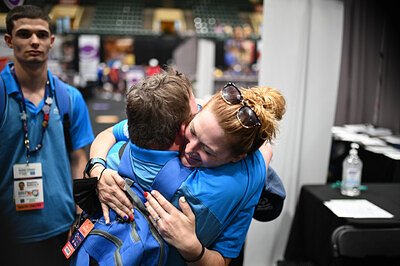
Be Forever Changed: Special Olympics USA Games Seeks 10,000 Volunteers
MINNEAPOLIS, MN – February 05, 2026 – A monumental call for volunteers has been issued across Minnesota and the Midwest as organizers for the 2026 Special Olympics USA Games officially opened registration today. With a goal of recruiting more than 10,000 individuals, the Games are preparing to host what is being billed as the largest humanitarian event of 2026. From June 20-26, the Twin Cities will welcome nearly 3,000 athletes from all 50 states, along with their coaches, families, and tens of thousands of fans, for a national celebration of inclusivity and human spirit.
Organizers are not just asking for people’s time; they are promising a transformative experience. “Volunteering isn't just about supporting the Games – it's about being forever changed,” said Christy Sovereign, CEO of the 2026 Special Olympics USA Games. This sentiment, echoed by past volunteers, forms the core of the recruitment effort, suggesting the rewards extend far beyond the athletic competitions.
A Call to Action on a Historic Scale
The logistical challenge of hosting such a massive event is immense, and its success hinges on a robust and dedicated volunteer force. The 10,000-person goal underscores the scale of operations, with roles spanning every conceivable aspect of the Games. Opportunities are designed to fit a wide range of interests, skills, and availability.
Available positions include direct athlete and delegation support, sports and venue operations, awards and ceremonies, transportation, and fan engagement. For those who prefer to work behind the scenes, crucial roles in media, logistics, and operations are also available. The Games are also seeking 1,500 “Leadership Volunteers,” experienced individuals who can commit to a longer-term planning and management role, guiding the larger volunteer corps from now through the event's conclusion.
To be eligible, volunteers must be at least 15 years old by June 1, 2026, with specific protocols in place for minors. The breadth of roles ensures that whether a person can offer a few hours or several days, there is a place for them to contribute. Sovereign expressed confidence in the local community’s willingness to participate, citing a proud history of civic engagement. “Minnesota shows up. We come together when it matters and Minnesotans make a big difference in the lives of others,” she stated, referencing the state's successful hosting of the 1991 Special Olympics World Summer Games and Super Bowl LII. “The Special Olympics USA Games give us the chance to do it again with the nation watching this monumental event.”
Minnesota's Moment: Economic Boom and a Legacy of Inclusion
Beyond the call for volunteers, the 2026 USA Games represent a significant moment for Minnesota, promising a substantial economic boost and a lasting social legacy. With an estimated 100,000 to 115,000 people expected to descend on the Twin Cities, recent projections place the economic impact at a staggering $75 million. This influx will fill hotels, restaurants, and local businesses, providing a major stimulus for the regional economy as competitions take place at world-class venues like the University of Minnesota and the National Sports Center in Blaine.
However, the most profound impact may be the one that isn't measured in dollars. The Games are a powerful platform for promoting a message of inclusion and changing perceptions about individuals with intellectual disabilities. By placing these athletes on a national stage, the event aims to celebrate ability and foster a deeper understanding and acceptance within the community. Organizers are already working to ensure this legacy endures long after the closing ceremonies. One such initiative is the “26 Weeks of Giving” campaign, a partnership between Special Olympics Minnesota and the USA Games, which is distributing grants to 30 organizations across the state that are actively advancing inclusion in their own communities.
This aligns with Minnesota's long-standing identity as a state that champions diversity and equity. Hosting the Games provides a unique opportunity to amplify that commitment, focusing specifically on the disability community and creating a new wave of energy around the Special Olympics movement.
The Power of Purpose: Corporate Minnesota Steps Up
Fueling this massive undertaking is a strong current of corporate support, highlighted by co-presenting partners Jersey Mike's Subs and UnitedHealthcare, and major sponsors like Target. This partnership extends beyond financial contributions into a vital component of the volunteer strategy: Volunteer Time Off (VTO). Organizers are actively encouraging companies across the region to offer their employees paid time off to volunteer at the Games.
VTO programs are a growing trend in corporate social responsibility, recognized as a powerful tool for boosting employee morale, developing leadership skills, and strengthening workplace culture. By allowing employees to engage in meaningful community work during paid hours, companies can demonstrate a commitment to values that resonate deeply with today's workforce. For the USA Games, corporate-sponsored volunteerism is not just a perk; it's a critical resource for filling thousands of volunteer shifts.
These programs create a win-win scenario. Employees are given a chance to participate in a historic event without sacrificing personal time or pay, while the Games gain a reliable and motivated pool of volunteers. For the companies, it’s a visible and impactful way to put their values into action, fostering goodwill and strengthening their connection to the community.
Beyond the Finish Line: The Transformative Volunteer Experience
While the logistics are complex and the economic benefits are significant, the element that truly defines the Special Olympics movement is the human connection. The promise of being “forever changed” is more than a marketing slogan; it is a recurring theme in the testimonials of those who have volunteered before. Many report signing up initially to fulfill a service requirement or to simply be part of a big event, only to discover an experience of profound personal significance.
Past volunteers often speak of a fundamental shift in perspective. They describe the unparalleled joy and electric atmosphere of the events, where the focus is not solely on winning but on courage, effort, and mutual respect. They are consistently inspired by the athletes' tenacity, passion, and unbridled sportsmanship. These interactions, they say, break down barriers and foster a deep sense of empathy and admiration.
One former volunteer recalled the moments away from the cheering crowds as being the most impactful—a quiet conversation with an athlete waiting for their event, a shared laugh with a coach, or the simple act of placing a medal around a competitor's neck. It is in these moments that the true spirit of the Games is found, creating connections that volunteers carry with them long after their shifts have ended. They become not just helpers, but advocates for inclusion in their own communities and workplaces, embodying the positive change the Games seek to inspire.