
- 44% of patients with contaminated urine cultures were prescribed inappropriate antibiotic therapy (2016 study).
- $3 billion global market for urine collection devices, shifting towards closed systems.
- $7 billion projected global urinalysis market by the end of the decade.
Experts agree that improving pre-analytical sample integrity is critical for accurate diagnostics, and closed collection systems like BD's new kit represent a promising step forward in reducing contamination and enhancing patient safety.
BD's New Urine Kit Aims to Fix a Critical Flaw in Diagnostics
FRANKLIN LAKES, N.J. – February 23, 2026 – By Nancy Torres
Medical technology giant Becton, Dickinson and Company (BD) today announced the U.S. launch of a new device aimed at tackling a persistent and costly problem in healthcare: the contaminated urine sample. The BD Vacutainer® Urine Complete Cup Kit, a three-tube collection system, is designed to improve the quality of one of the most common diagnostic tests, potentially enhancing patient safety and hospital efficiency.
The seemingly simple urine test is a cornerstone of modern diagnostics, used to detect everything from urinary tract infections (UTIs) and kidney disorders to metabolic diseases and even cancer. Yet, the accuracy of this fundamental tool is frequently undermined before the sample ever reaches a laboratory analyzer. The new kit from BD aims to reinforce this crucial first step in the diagnostic process.
The High Stakes of a Simple Test
Pre-analytical errors—mistakes made during the collection, handling, or transport of a specimen—are a major challenge in laboratory medicine. For urine testing, contamination is the primary culprit, often leading to a cascade of negative consequences for both patients and the healthcare system.
A contaminated specimen can produce false results, leading clinicians down the wrong path. A 2016 study published in the American Journal of Infection Control found that nearly 44 percent of patients with contaminated urine cultures were prescribed inappropriate antibiotic therapy. Such practices not only fail to treat the actual ailment but also contribute to the growing global crisis of antibiotic resistance.
Beyond improper treatment, contaminated samples result in the need for repeat collections, causing delays in diagnosis, patient inconvenience, and an increased workload for already strained nursing and laboratory staff. These inefficiencies drive up healthcare costs, turning a routine, non-invasive test into a source of clinical and financial friction.
“Improving diagnostic accuracy starts long before a sample reaches the lab,” said Bridget Bagnato, worldwide president of Specimen Management at BD, in the company's announcement. “This kit reflects the innovation we deliver to help clinicians determine effective treatment options through more accurate diagnosis and ultimately support better patient management.”
A Closed System to Combat Contamination
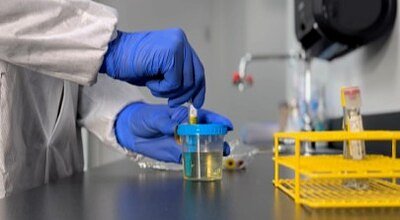
At the heart of BD's new product is its design as a closed, integrated system. The kit includes a sterile collection cup with a built-in transfer device in the lid. After providing a sample, a healthcare worker can insert vacuum-sealed tubes directly into the port on the lid, drawing urine into the tubes without ever opening the cup. This needle-free, closed transfer minimizes the risk of environmental contamination and protects healthcare workers from potential exposure to the specimen.
The kit’s innovative three-tube configuration allows for a broader range of tests from a single collection. It includes:
- A tube for culture and sensitivity testing to identify infectious bacteria or fungi.
- A tube for general urinalysis to screen for signs of disease.
- A discard tube containing no additive.
The system eliminates the need for lab technicians to manually pour urine from a cup into various tubes, a common practice that introduces a significant risk of spills and contamination. By standardizing the collection and transfer process, the kit aims to preserve the integrity of the sample from the moment it is collected.
This approach aligns with a broader industry trend. The global market for urine collection devices, valued at over $3 billion, is increasingly shifting towards closed systems that prioritize safety and sterility. Competitors like Greiner Bio-One and Sarstedt also offer integrated collection systems, signaling a market-wide recognition of the need to solve pre-analytical challenges.
Streamlining Workflows and Addressing Costs
Beyond patient safety, the BD Vacutainer® Urine Complete Cup Kit is positioned as a solution for operational efficiency. In a healthcare environment focused on optimizing resources, any tool that reduces redundant work is a welcome addition. By getting the sample right the first time, the kit can help laboratories and hospitals reduce the significant labor and material costs associated with repeat testing.
The system is designed for compatibility with a wide range of diagnostic instruments and supports automated workflows, a critical feature for high-volume laboratories seeking to maximize throughput and reduce manual handling. As the global urinalysis market is projected to grow to nearly $7 billion by the end of the decade, driven by an aging population and rising rates of chronic diseases, such efficiencies become paramount.
For hospital administrators, the financial calculus extends beyond the lab. By improving diagnostic accuracy, the system can help prevent costly misdiagnoses, reduce unnecessary pharmacy expenditures on antibiotics, and potentially shorten hospital stays, all of which are key metrics for value-based care.
The Real-World Challenge of Adoption
While the technological solution appears promising, its success will ultimately depend on real-world adoption and implementation. The most common method for collecting a urine sample, the midstream clean-catch, is notoriously difficult for patients to perform correctly, especially when experiencing symptoms like pain during urination. This has long been a source of sample contamination.
BD's kit includes a castile wipe for patient preparation, a nod to the importance of proper technique. However, the effectiveness of any collection device is heavily reliant on clear instructions and correct use. Independent research on other specialized urine collection devices has shown mixed results, with some studies finding no significant reduction in contamination rates compared to standard methods when used in certain clinical settings. This underscores that technology alone may not be a panacea; rigorous staff training and patient education remain critical.
Furthermore, healthcare facilities must weigh the benefits against potential barriers. The upfront cost of a more advanced, single-use plastic kit compared to a simple sterile cup is a key consideration for budget-conscious procurement departments. The environmental impact of disposable plastics is another factor gaining importance in institutional decision-making.
Despite these challenges, the launch of the BD Vacutainer® Urine Complete Cup Kit represents another step forward in the industry-wide effort to elevate the importance of specimen management. By focusing on the foundational integrity of the sample, BD and its competitors are working to ensure that the sophisticated diagnostic technologies downstream receive a specimen worthy of their analytical power, ultimately leading to better and safer care for patients.