
- $27 million CAD investment in BASF’s Canola Breeding Centre of Innovation in Saskatoon
- 2027 completion of the facility expansion
- Next-generation breeding technologies to accelerate crop development cycles
Experts would likely conclude that BASF’s investment in advanced canola breeding technology is a strategic move to enhance global food security, improve agricultural resilience, and solidify Saskatchewan’s role as a leader in agricultural innovation.
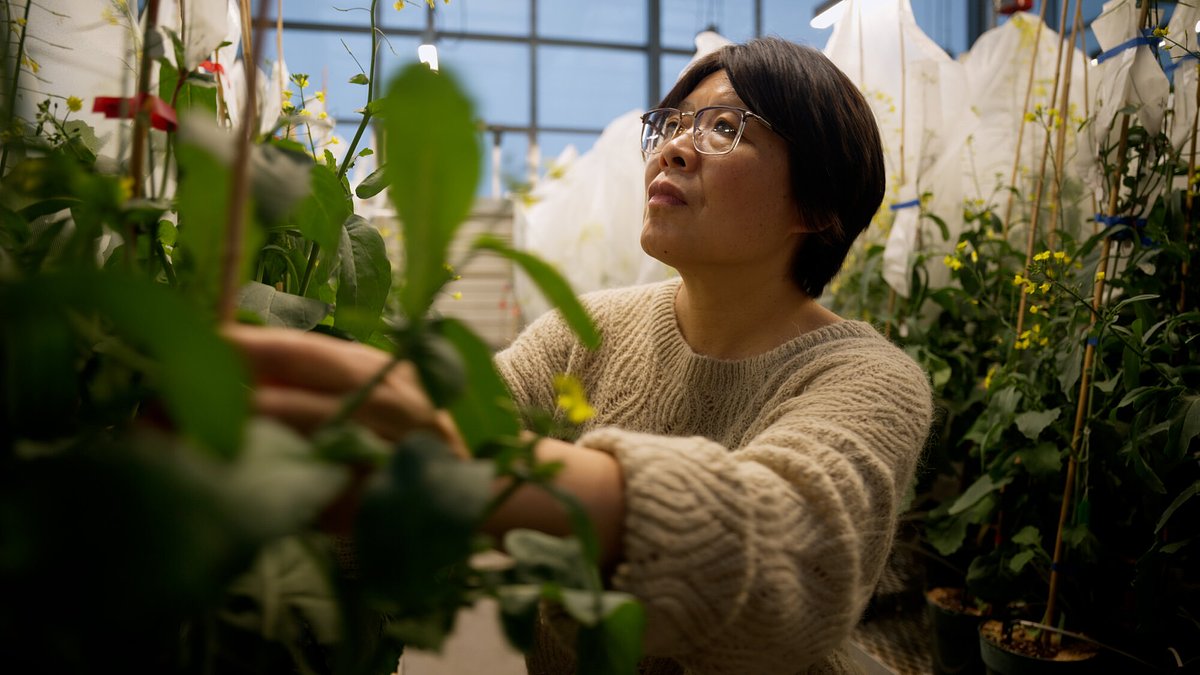
BASF’s $27M Bet on Canola Tech to Reshape Global Agriculture
SASKATOON, SASKATCHEWAN – March 17, 2026 – BASF Agricultural Solutions is set to pour $27 million CAD into a major expansion of its Canola Breeding Centre of Innovation in Saskatoon, a move poised to supercharge the development of one of the world's most critical crops. With construction commencing this spring, the investment signals a profound commitment to advancing agricultural science, reinforcing Saskatchewan's position as a global agri-food hub and promising a new era of resilience and productivity for farmers worldwide.
For three decades, the InVigor® hybrid canola brand has been a cornerstone of Canadian agriculture, synonymous with performance and yield. This new investment marks the next chapter in that legacy, transforming the Saskatoon facility into a state-of-the-art nexus of breeding technology. The project goes far beyond a simple physical expansion; it represents a fundamental upgrade to the very engine of canola innovation.
“Canola is a strategic crop for our Agricultural Solutions business, playing a crucial role for Canadian farmers and supporting food production worldwide,” said Livio Tedeschi, President of BASF Agricultural Solutions, in a recent press release. “This investment underscores our commitment to advancing our entire portfolio of canola. As the global leader in canola production and innovation, BASF is proud to invest in its future innovation capabilities.”
An Engine for Next-Generation Agriculture
The core of the $27 million project lies in the integration of sophisticated technologies designed to dramatically shorten the crop development cycle. A key component is the implementation of new infrastructure for precision-controlled environment growth systems. These advanced chambers and a new research-grade glasshouse will allow scientists to meticulously simulate a wide range of climatic conditions—from drought and intense heat to specific disease pressures.
This capability is a game-changer. It enables researchers to test the resilience of new canola hybrids around the clock, year-round, without being limited by seasonal field trials. By identifying robust traits in a controlled setting, BASF can accelerate the creation of varieties better equipped to handle the unpredictable weather patterns associated with climate change.
Coupled with this is the scaling of high-throughput automation pipelines and genomic selection. Genomic selection uses detailed genetic mapping to predict the future performance of a plant from a tiny tissue sample, allowing breeders to identify winning candidates far earlier and with greater accuracy than ever before. When combined with automation that can process thousands of samples with robotic precision, the entire breeding process is supercharged. What once took years of painstaking fieldwork can now be achieved in a fraction of the time.
“This investment enhances our ability to integrate advanced breeding technologies into our North American seeds and traits portfolio,” explained Jeff Mansiere, Canola Breeding Manager for BASF Agricultural Solutions. “By expanding our Saskatoon breeding facility, we are enabling InVigor growers across North America to have access to world-class genetics for years to come while also supporting our European and Australian breeding programs. I’m excited to break ground on this project this spring.”
Solidifying Saskatoon's Role as a Global Agri-Food Hub
While the technology is global in its ambition, the impact of the investment will be deeply felt locally. The expansion solidifies Saskatoon, and Saskatchewan as a whole, as a vital center for agricultural research and development on the world stage. The province is already home to a robust ecosystem of innovation, including the University of Saskatchewan’s renowned Crop Development Centre, and this investment by a major industry player like BASF further cements its leadership status.
Large-scale investments of this nature are known to be powerful economic drivers. Beyond the immediate jobs created during the construction phase, which is slated to run through the end of 2027, the expanded facility will require a highly skilled workforce of scientists, technicians, and support staff. This influx of capital and talent creates a ripple effect, boosting local businesses and attracting further investment into the region's burgeoning ag-tech sector.
The commitment from BASF is a vote of confidence in Saskatchewan's infrastructure, talent pool, and supportive environment for agricultural innovation. It aligns with provincial and federal strategies aimed at enhancing the profitability and sustainability of Canadian agriculture through research and development.
“For three decades, Canadian farmers have relied on InVigor hybrid canola for its consistent performance and yield advantage,” noted Leta LaRush, Vice President of BASF Agricultural Solutions Canada. “This significant investment strengthens our ability to bring forward the next generation of high-performing hybrids, supporting yield gains, agronomic resilience and long-term success for Canadian farmers.”
From Prairie Fields to Global Plates
The implications of this expansion extend far beyond the borders of Saskatchewan. Canola is a globally significant crop, valued for its healthy cooking oil, high-protein animal feed, and increasing use in biofuels. As the global population continues to grow, the demand for efficient, sustainable, and reliable food sources will only intensify. Innovations that increase canola's yield and resilience are therefore critical to global food security.
The ability to develop hybrids with enhanced disease resistance, greater yield potential, and improved agronomic traits like pod shatter reduction means more food produced with greater efficiency. It helps farmers optimize their inputs and manage risks, contributing to a more sustainable agricultural system. By fast-tracking the development of these elite genetics, the Saskatoon centre will play a pivotal role in addressing some of the most pressing challenges facing the world today.
This investment is not just about creating a better canola plant for today's market, but about anticipating the challenges of tomorrow. Whether it's a new strain of blackleg disease or an extended period of drought, the advanced capabilities of the expanded facility will provide the tools to develop solutions before these challenges become crises. In doing so, BASF is investing not only in its own product pipeline but in the long-term stability and success of the entire canola industry.