
- Price: $499
- Weight: 7 ounces
- Dimensions: 3 inches on each side
Experts would likely conclude that BALMUDA's $499 Clock is a high-risk, high-reward product targeting a niche market of design and wellness enthusiasts, leveraging scientifically-backed principles to offer a premium, distraction-free alternative to smart devices.
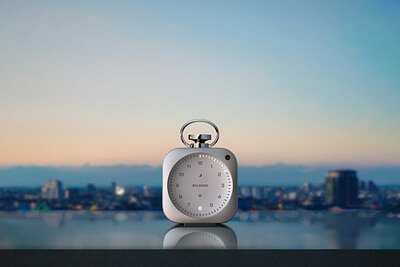
BALMUDA's $499 Clock: A Pricey Bet on the Luxury of Logging Off
NEW YORK, NY – April 30, 2026 – In an era where a single smartphone can manage every aspect of daily life, Japanese design company BALMUDA is making a bold and expensive wager on the power of a single-purpose device. The firm, renowned for elevating kitchen appliances like its $329 steam toaster into cult-status objects of desire, has unveiled its latest creation: The Clock, a minimalist time-telling wellness device with a maximalist price tag of $499.
Available for preorder today in the United States, The Clock is a stark departure from the feature-packed smart displays and voice assistants vying for space on the modern nightstand. It does not browse the web, play podcasts, or check email. Instead, it promises to do less, but to do it more beautifully and intentionally, offering a curated experience of light and sound designed to help users wake, focus, and relax without the digital distractions of a connected screen.
A New Expression of Time
At its core, The Clock reimagines how we interact with time itself. Foregoing traditional hands or a digital display, it introduces a proprietary “Light Hour system,” which uses a gentle, moving illumination to indicate the time. This visual element is paired with a suite of custom-composed audio tracks designed to create an immersive, calming environment.
The device is built around three essential functions. The Wake mode acts as a sunrise alarm, gradually introducing soft light and ambient soundscapes—like rainfall or distant bells—to guide a user gently out of sleep. The Focus mode provides a timer accompanied by white noise to help reduce distractions and improve concentration. Finally, the Relax mode fills a room with ambient sounds and soft, shifting light to help one unwind.
The inspiration for this focused approach came directly from the company's founder. "As an adult, sleep takes effort, and lately I found myself relying on rain sounds played from a tablet to help me relax before sleep," said Gen Terao, founder and CEO of BALMUDA, in the company's announcement. "However, using a connected device in the bedroom never felt quite right. The Clock was developed as a focused, distraction-free tool to improve how we rest."
The Art of Simplicity in a Connected World
BALMUDA is positioning The Clock not just as a product, but as a philosophy—a tangible piece of the growing “digital detox” movement. Its very existence is a statement against the multi-functional, notification-heavy gadgets that have infiltrated our most private spaces. The design itself reinforces this ethos. Inspired by the timeless form of a pocket watch, its compact, palm-sized body is carved from a solid block of aluminum, giving it a substantial feel and a refined, subtle luster.
Weighing just seven ounces and measuring three inches on each side, its portability is a key feature, allowing it to move from a bedside table to an office desk. While it eschews the complexities of a smart hub, it is not entirely analog. The BALMUDA Connect app for iOS and Android allows users to customize settings, but the interaction is meant to be minimal—set it and forget it. The device pointedly lacks integration with major smart home ecosystems like Alexa or Google Home, a deliberate choice to preserve its status as a sanctuary from the interconnected world.
This strategy is classic BALMUDA. The company has built its brand on creating appliances that perform a simple function exceptionally well, wrapped in an elegant design that sparks an emotional connection. From a fan that mimics a natural breeze to a kettle designed for the perfect pour-over, the company’s portfolio is a testament to the belief that consumers will pay a premium for an elevated daily ritual.
A Premium Gamble in a Crowded Wellness Market
The Clock enters a competitive and rapidly growing market for sleep and wellness technology. However, its $499 price positions it in a league of its own, far above established competitors. Devices like the Hatch Restore 2 (around $200) and the Loftie Lamp (around $250) offer similar combinations of light, sound, and alarm functions aimed at improving sleep hygiene. These products, however, often rely on subscription models for their full library of content and are priced for a broader consumer base.
BALMUDA is betting that a segment of the market is willing to pay more than double for superior craftsmanship, a unique design aesthetic, and a brand name synonymous with luxury and intentional living. It’s a high-risk, high-reward strategy that has worked for the company before. The success of its toaster proved that a compelling enough experience could justify a price that seems, on the surface, entirely unreasonable for such a mundane appliance.
The target audience is not the average consumer looking for a new alarm clock. Instead, BALMUDA is speaking to design aficionados, wellness-conscious individuals who prioritize their mental space, and the existing base of brand loyalists who already understand and appreciate the company’s value proposition. For them, The Clock is not just a utility but a piece of functional art that promises a more serene relationship with time.
The Sensory Science of Calm
While its price and design are the most immediate talking points, the technology inside The Clock is grounded in established wellness principles. The use of a fade-in light alarm, often called a sunrise simulation, is supported by research on circadian rhythms. Gradually increasing light exposure before waking can help reduce sleep inertia—the grogginess felt after waking up—and lead to improved alertness throughout the day.
Similarly, the use of ambient sound and white noise is a well-known technique in sound therapy. Consistent, non-intrusive sounds can mask disruptive environmental noises, making it easier to fall asleep or maintain focus. BALMUDA’s decision to use in-house designers and collaborating musicians to create proprietary soundscapes, blending real-world recordings with live instrumentation, aims to provide a richer and less repetitive auditory experience than the standard digital loops found in many sound machines.
By combining these scientifically-backed sensory inputs into a single, beautifully crafted object, BALMUDA hopes to offer a holistic solution for managing one's daily rhythm. The Clock ultimately stands as a testament to the idea that in an age of overwhelming digital noise, the greatest luxury may be a carefully curated and intentional moment of peace.