
- $100M Capital Raise: AXT secures $100 million in gross proceeds from a public stock offering to fuel AI and 5G growth.
- 11% CAGR: Global indium phosphide wafer market projected to grow at a compound annual growth rate of over 11% through 2030.
- $49M Backlog: AXT reports a record InP backlog of over $49 million at the end of its third quarter.
Experts view AXT's $100 million capital raise as a strategic move to meet surging demand for indium phosphide substrates in AI and 5G, despite short-term market volatility and regulatory challenges in China.
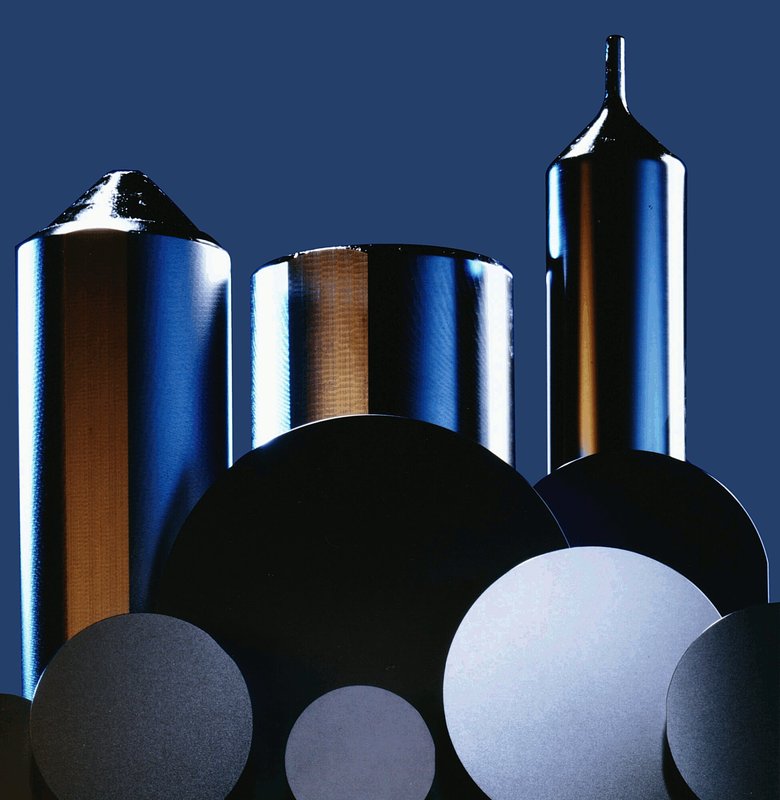
AXT Banks $100M to Fuel AI and 5G with Advanced Semiconductor Wafers
FREMONT, CA – December 29, 2025 – AXT, Inc. (Nasdaq: AXTI), a key manufacturer of specialized semiconductor substrates, has successfully secured $100 million in gross proceeds from a public stock offering, a strategic capital raise aimed squarely at capturing the explosive growth in the artificial intelligence and 5G markets.
The announcement, however, was met with a turbulent market reception. AXT's shares initially plunged over 5% in pre-market trading following the pricing of the offering at $12.25 per share. The dip reflected immediate investor concerns over shareholder dilution from the issuance of 8.16 million new shares, including the full exercise of the underwriter's overallotment option. Yet, sentiment appeared to pivot as the trading day progressed, with the stock recovering and trending upward, buoyed by a doubling of the company's price target by lead underwriter Northland Capital Markets. This volatility highlights a classic Wall Street tension: short-term dilution versus a compelling long-term growth story.
The Fremont-based material science company intends to use the substantial net proceeds to aggressively expand the manufacturing capacity of its most in-demand product, indium phosphide (InP) substrates, at its wholly-owned subsidiary in China.
A Strategic Bet on Indium Phosphide
The decision to raise and deploy $100 million is not a speculative whim but a calculated response to overwhelming market signals. AXT is positioning itself as a foundational supplier for the next generation of technology, which relies on compound semiconductor materials that outperform traditional silicon in high-frequency and high-power applications.
Indium phosphide is the star of this strategy. Known for its superior electron mobility and efficiency in transmitting light, InP is the backbone for a host of advanced optoelectronic devices. These include the high-speed lasers, modulators, and photodetectors essential for fiber optic communication networks that power hyperscale data centers and the expanding 5G global infrastructure. As AI models become more complex and data-intensive, the demand for faster, more efficient data transmission has skyrocketed, pushing data center optics toward 800G and 1.6T speeds - a transition heavily reliant on InP-based components.
The market forecasts underscore the urgency of AXT's expansion. The global indium phosphide wafer market, valued at nearly $200 million in 2025, is projected by some analysts to grow at a compound annual growth rate (CAGR) of over 11% through 2030. Other reports focused on AI-related applications project an even more aggressive CAGR of nearly 13%. This demand is reflected directly in AXT's order books, with the company reporting a record InP backlog of over $49 million at the end of its third quarter.
"The company is clearly riding a powerful wave of demand from data center applications globally," noted one industry analyst. "This capital raise is about ensuring they have the capacity to not just fulfill their current backlog but to scale up and meet the next wave of orders from Tier 1 customers."
Fortifying Financials Amidst Market Skepticism
For AXT, the $100 million infusion is more than just growth capital; it's a critical move to strengthen its financial foundation. The company has faced profitability challenges, reporting a GAAP net loss of $1.9 million in the third quarter of 2025. Prior to the offering, AXT held a net debt position of approximately $45.6 million. The proceeds from the stock sale will effectively wipe out this debt and provide a substantial cash reserve for both the planned expansion and continued investment in research and development.
This proactive financial management addresses potential balance sheet vulnerabilities and allows the company to fund its ambitious growth plans without taking on additional debt. However, the initial negative stock reaction underscores the tightrope that growth-stage tech companies must walk. While the strategic rationale for the offering is clear, the immediate impact of increasing the number of outstanding shares can unnerve existing investors.
The subsequent recovery and the vote of confidence from analysts at Northland, who raised their price target to $20, suggest that many in the market see the long-term potential outweighing the short-term dilution. The move is seen as a necessary step to translate AXT's strong market position and technological edge in materials like InP, gallium arsenide (GaAs), and germanium (Ge) into sustainable revenue growth and, eventually, profitability.
The China Nexus: Manufacturing Powerhouse Meets Regulatory Maze
At the heart of AXT's expansion strategy is its subsidiary, Beijing Tongmei Xtal Technology Co., Ltd. The bulk of the new capital is earmarked for this facility, cementing its role as the company's primary manufacturing hub for serving a global customer base. AXT's operational model, which includes headquarters and customer service in California alongside manufacturing and a partially integrated raw material supply chain in China, is a case study in modern globalized high-tech production.
However, this strategy comes with a significant and complex challenge: Chinese export regulations. In August 2023, Beijing implemented export controls on gallium-related materials, and in February 2025, it extended similar rules to indium phosphide. These regulations require AXT to secure an export permit from China's Ministry of Commerce for every international shipment of these critical materials.
Company disclosures reveal that obtaining these permits can take approximately 60 business days, a three-month lead time that introduces significant uncertainty into revenue forecasting and logistics. While AXT has stated that its customers are adapting by placing orders further in advance, this regulatory layer remains a critical operational hurdle and a point of risk for investors to monitor.
Adding another dimension to its China strategy, AXT has been actively pursuing a separate listing for its Tongmei subsidiary on Shanghai's STAR Market. Such a move could unlock further capital and increase the subsidiary's valuation and profile within China's domestic market. This public offering in the U.S. provides AXT the financial runway to continue pursuing that goal while simultaneously funding its immediate capacity needs.
Ultimately, AXT's $100 million bet is a bold move to solidify its role as a linchpin in the global tech supply chain. The company's success now hinges on its ability to rapidly scale production at Tongmei, skillfully navigate the intricate regulatory landscape of its manufacturing base, and convert its record-breaking order backlog into the consistent revenue and profit that the market is waiting for.