
- $17.2 million: U.S. market sales for Diphenhydramine Hydrochloride Injection in the past year
- 26 products: Avenacy's portfolio since its launch in late 2023
- 212% YoY revenue growth: Projected for fiscal year 2025
Experts would likely conclude that Avenacy's rapid expansion and strategic focus on stabilizing the generic injectable drug supply chain could significantly improve hospital medication availability and patient safety, addressing critical gaps in the current market.
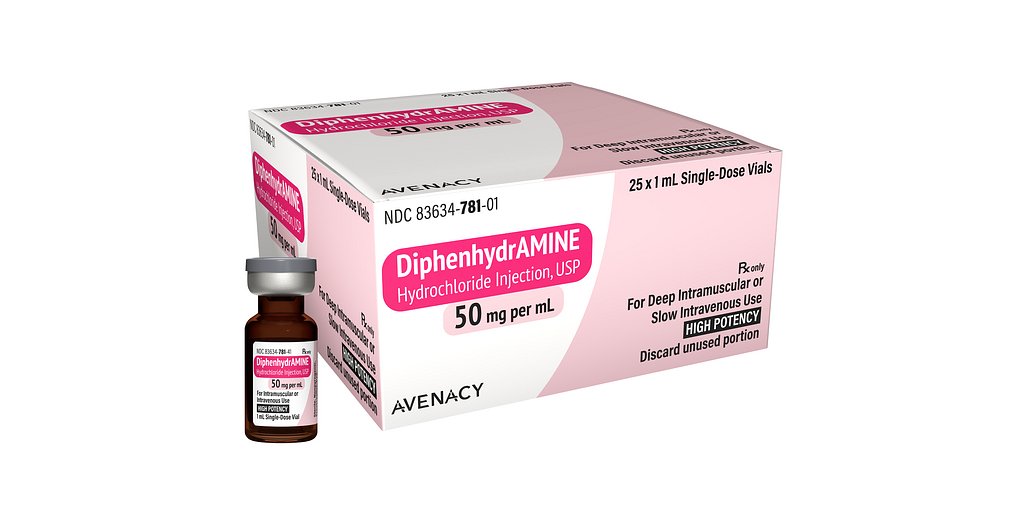
Avenacy's New Generic Benadryl Aims to Bolster Hospital Supply Chains
SCHAUMBURG, IL – March 02, 2026 – Specialty pharmaceutical company Avenacy today announced the U.S. launch of its Diphenhydramine Hydrochloride Injection, a generic equivalent of BENADRYL® used in critical hospital settings. This move marks the company’s 26th product introduction since its late-2023 inception, signaling an aggressive strategy to address persistent drug shortages and enhance patient safety in the volatile generic injectables market.
The product, a first-generation antihistamine, is essential for treating severe allergic reactions, including as an adjunct therapy in anaphylaxis, as well as for motion sickness and certain forms of parkinsonism when oral medication is not an option. Avenacy is launching the drug in single-dose vials, targeting a U.S. market for the injectable that saw sales of approximately $17.2 million over the past year.
“Since launching Avenacy in October 2023, we have remained focused on building a reliable portfolio of essential injectable medications that hospitals depend on every day to deliver consistent care to patients,” said Jeff Yordon, Co-Founder and CEO of Avenacy, in a statement. “The addition of Diphenhydramine Hydrochloride Injection marks our 26th product offering and our first launch of 2026. We look forward to continuing to strengthen our portfolio with critical injectable medicines.”
A Strategy of Rapid Expansion
Avenacy’s growth trajectory has been remarkably swift. Launched just over two years ago, the company has rapidly built a portfolio aimed at the heart of the healthcare system’s needs. The introduction of Diphenhydramine is part of a broader, ambitious plan that saw the company launch 25 products by the end of 2025, with plans for over 14 additional products by the end of this year.
This rapid expansion is fueled by a clear two-pronged strategy. The company is building a "foundational portfolio" of high-demand generics that can be brought to market quickly, driving immediate revenue. Simultaneously, it invests in a "long-term growth portfolio" of more complex, higher-return products that require more significant upfront investment. This dual approach is designed to ensure both short-term stability and long-term market disruption.
Financial markets have taken notice. In November 2024, Avenacy secured $26 million in a Series B funding round. More recently, in June 2025, the company entered into an asset-based lending agreement with Texas Capital Bank to fund its continued portfolio expansion. These financial maneuvers support staggering growth projections, with the company forecasting a 212% year-over-year revenue increase for fiscal year 2025. This growth is underpinned by the leadership of CEO Jeff Yordon, a veteran of the industry with a proven record of building successful specialty pharmaceutical companies like Sagent Pharmaceuticals.
Reinforcing a Fragile Supply Chain
Beyond its corporate growth, Avenacy is positioning itself as a key player in stabilizing the notoriously fragile supply chain for generic injectable drugs. This segment of the pharmaceutical industry has been plagued by shortages for years, driven by a confluence of factors including manufacturing bottlenecks, unpredictable raw material supply, and the low profit margins of older drugs, which discourages investment in production redundancy and quality control.
Many of these vulnerabilities are exacerbated by an over-reliance on offshore manufacturing, where logistical hurdles and differing regulatory environments can increase the frequency and duration of supply disruptions. By building a robust portfolio supported by a global network of FDA-inspected manufacturing partners, Avenacy aims to provide a more reliable source of essential medicines for U.S. hospitals and clinics.
Avenacy also emphasizes its contribution to patient safety. The company states its Diphenhydramine injection will feature “highly differentiated packaging and labeling.” This is not merely a branding exercise; it is a direct attempt to combat medication errors, a significant risk in fast-paced clinical environments. Clear, distinct packaging can help nurses and doctors quickly and accurately identify the correct medication and dosage, reducing the potential for dangerous and costly mistakes.
Entering a Crowded, Critical Market
The market for Diphenhydramine is mature and competitive. While the injectable form represents a $17.2 million niche, the global market for all forms of the drug was estimated at over $1 billion in 2025 and continues to grow. Avenacy enters a field populated by pharmaceutical giants like Pfizer Inc. and generic injectable specialists such as Fresenius Kabi.
As an off-patent drug, Diphenhydramine's market dynamics are driven by price, availability, and reliability. Healthcare providers and group purchasing organizations often prioritize suppliers who can guarantee a steady and uninterrupted supply. Avenacy's core mission to ensure portfolio resilience and address drug shortages directly targets this primary concern.
By combining a reliable supply chain with value-added features like safety-oriented packaging, the company is betting it can carve out a significant share in this and other essential medicine markets. Its focus is not on reinventing the drugs themselves, but on reinventing the process of getting them safely and reliably to the patient's bedside. As shipments of the new injectable reach wholesale partners this week, Avenacy continues its aggressive push to become an indispensable source for the nation's most critical injectable medicines.