
- 16 formal conflict-of-interest complaints filed against the municipality's aquaculture approval process
- 53 sites identified in Lobster Bay and Pubnico Harbour for the Argyle Aquaculture Development Area
- Approval times reduced from 5+ years to less than 1 year under the ADA system
Experts would likely conclude that the allegations of conflict of interest and lack of transparency in the Argyle aquaculture approval process raise serious concerns about governance integrity and public trust.
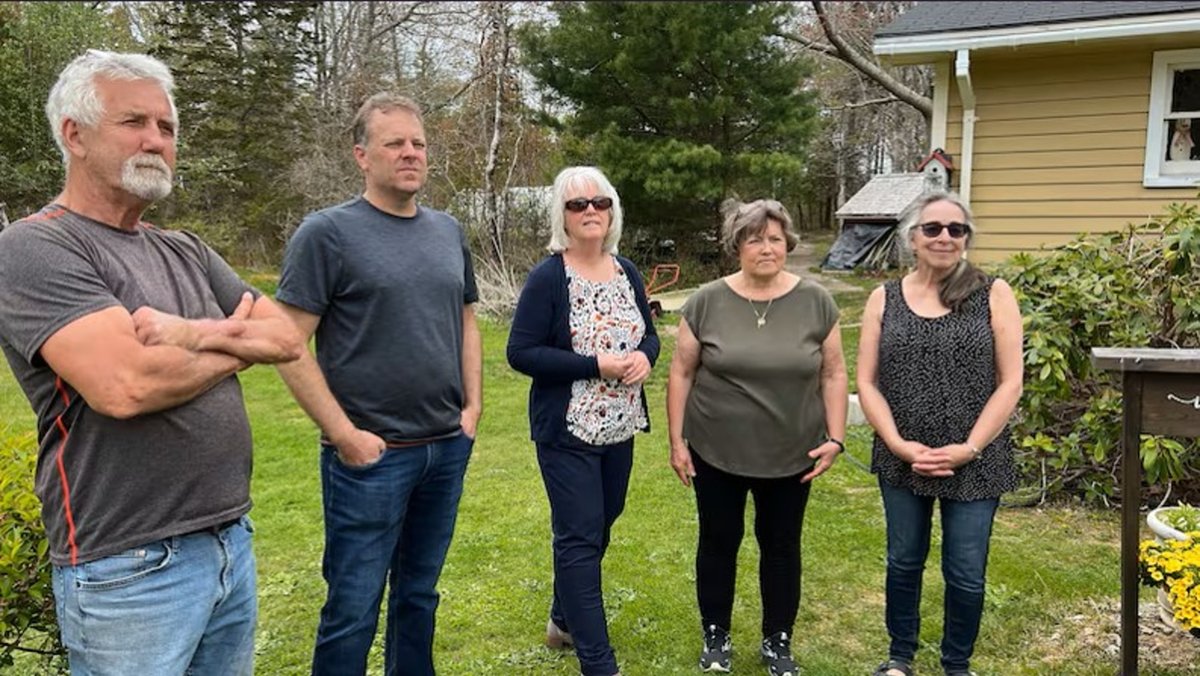
Argyle Aquaculture Plan Mired in Conflict of Interest Allegations
ARGYLE, Nova Scotia – May 05, 2026 – A bitter dispute over the future of coastal waters in the Municipality of the District of Argyle has escalated, with a local citizens' group demanding a full independent review of the region’s aquaculture approval system. The Argyle Association for Responsible Aquaculture (ARA) alleges that the process for creating Aquaculture Development Areas (ADAs) has been compromised by serious conflicts of interest, undue industry influence, and a lack of procedural fairness. These claims, backed by documents obtained through freedom of information requests and formal complaints to oversight bodies, have cast a shadow over the integrity of local governance.
In response to 16 formal conflict-of-interest complaints, the municipality has retained its own internal investigator, a move the ARA decries as insufficient and self-serving. Critics argue that only a review by an external body, such as the Nova Scotia Attorney General’s Office, can restore public trust in a system they claim has been manipulated to benefit a select few at the expense of the community and the environment.
A 'Captured' Process?
At the heart of the controversy are documents that residents say paint a disturbing picture of close coordination between municipal officials, industry players, and other stakeholders. Records obtained through Freedom of Information and Protection of Privacy (FOIPOP) requests reportedly show a pattern of individuals with direct ties to the aquaculture industry serving in advisory roles that helped shape the ADA site selections. This has led to accusations of a “revolving door” between government and industry, blurring the lines between public service and private interests.
Residents point to one instance where a former municipal employee who promoted the Argyle ADA has since entered the aquaculture business. Further scrutiny has fallen on an approved lease application associated with participants in the advisory process. “This is not governance—it’s a closed-loop process where the same actors shape, advance, and then approve their own outcomes,” stated local resident Donna Gaudet. The ARA contends that municipal staff involved in the early stages of influencing applications were later appointed to committees that recommended their approval.
“When the same hands shape the application and later approve it, you don’t have a fair process—you have a captured one,” said Susan Savriga, another Argyle constituent. This alleged end-to-end influence has raised fundamental questions about fairness and has led to suggestions that such arrangements could foster anti-competitive behavior, potentially warranting review under Canada's Competition Act.
Fast-Track Approvals Spark Concern
The dispute centers on the Argyle Aquaculture Development Area, a joint project between the province and the municipality designed to streamline the leasing process for shellfish and marine plant aquaculture. After four years of research, 53 sites were identified in Lobster Bay and Pubnico Harbour. Proponents of the ADA system argue it cuts through bureaucratic red tape, reducing approval times from five or more years to less than one.
However, it is this accelerated timeline that worries many residents. Applications for sites within the ADA are subject to a simplified administrative review—essentially a “paper hearing”—conducted by a panel of department staff, industry representatives, and municipal officials. This bypasses the more rigorous, quasi-judicial public hearing process required for new marine sites elsewhere in Nova Scotia, which is overseen by the independent Aquaculture Review Board. The ARA and its supporters are clear that they support responsible aquaculture but are staunchly opposed to what they see as the manipulation of municipal processes to fast-track industrial projects in residential areas without meaningful public consultation.
“Nicole and council have had numerous opportunities to do the right thing including redoing public consultation openly and fairly,” said Chris Thibedeau, a local resident affected by the expansion. “Instead of representing the constituents, they aggressively counter us on behalf of an expansion agenda driven by industry lobbyists and Tim Houston’s Government in rural areas of Nova Scotia.”
Denials, Defiance, and an Internal Review
Warden Nicole Albright has vehemently denied any wrongdoing, dismissing the mounting evidence as “lies,” “misinformation,” and a “disinformation campaign.” In online posts, she has accused residents of bullying and harassment motivated by “hate,” “greed,” and “privilege.”
Further fueling the controversy, Warden Albright has reportedly enlisted the help of Yarmouth Mayor Pam Mood to promote Deon’s Oyster Co., a business connected to the ADA approvals and one that employs the Warden’s son. This promotional effort has continued even after the municipality announced its internal investigation. “The Municipality announced the investigation of the 16 conflict of interest complaints and stated there would be no comment until the conclusion of the investigation, yet here we have a concerted effort to promote one business... to spin public opinion on the matter while an investigation is ongoing,” said concerned resident Mike Scott.
The municipality’s decision to investigate itself has drawn the sharpest criticism. Under the Municipal Conflict of Interest Act, such matters are typically referred to the Nova Scotia Attorney General’s Office. By appointing its own lawyer who reports directly to council, the municipality has created a process that critics say lacks independence and credibility. “Coincidence? Probably not,” said former Argyle councillor Guy Surette, referring to a reported recommendation from the Nova Scotia Federation of Municipalities to suspend ethics investigations while the allegations gained public attention.
For many residents, the issue extends beyond aquaculture. “We’re all very worried what comes next with fracking, oil and gas, mining, and windmills, as this example shows we have councillors who are willing to facilitate a provincial industry expansion agenda at the expense of rural residents,” warned local resident Dale Pothier. The ARA insists that attempts by the council to reframe the issues as personal attacks only erode public confidence further. The group maintains that an internally controlled review is not accountability but damage control, and it will continue to demand a fully transparent and independent investigation to uphold the integrity of governance in Argyle.