
- GBA GDP: Exceeds US$1.97 trillion
- UAE-China Trade Target: Aiming to reach $200 billion by 2030
- UAE Investments in China: Nearly doubled to $4.5 billion by the end of 2023
Experts view AIM Talks China 2026 as a strategic platform to strengthen economic ties between the Middle East and Asia, fostering high-growth investments in technology and sustainable industries within China’s Greater Bay Area.
AIM Congress Taps China’s GBA for Global Tech Investment Dialogue
GUANGZHOU, China – May 04, 2026 – The Annual Investment Meeting (AIM) Congress, a leading global investment platform, is set to deepen economic ties between the Middle East and Asia with the launch of AIM Talks China 2026. Scheduled for June 17–18 in Guangzhou, the event marks a significant expansion into China’s Greater Bay Area (GBA), an economic juggernaut with a GDP exceeding US$1.97 trillion. Featuring a dedicated “China Investment Matchmaking Meeting,” the forum aims to channel cross-border capital into the region’s burgeoning high-tech and sustainable industries, reinforcing its role in shaping global investment amid evolving trade dynamics.
This strategic move places the forum at the heart of one of the world's most vibrant economic regions. The GBA, which includes nine mainland cities plus Hong Kong and Macao, generates approximately one-ninth of China's total GDP from less than 0.6% of its land area, making it a critical engine for the nation's growth and a magnet for international capital seeking future-ready markets.
A Strategic Nexus for Global Capital
The initiative arrives as both the United Arab Emirates and China seek to fortify their economic partnership, which has already seen non-oil bilateral trade surpass the $100 billion mark. With an ambitious target to reach $200 billion by 2030, platforms like AIM Talks are crucial for facilitating the next wave of investment and collaboration.
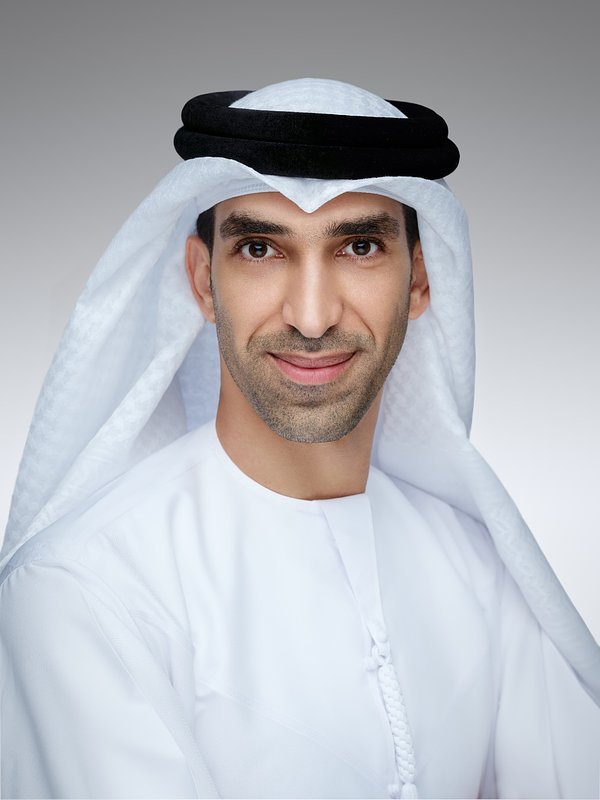
Highlighting the importance of such partnerships, H.E. Dr. Thani bin Ahmed Al Zeyoudi, UAE Minister of Foreign Trade and President of AIM Congress, stated, “In today’s global landscape, strengthening economic resilience requires deeper trade integration, more efficient supply chains and sustained cross-border partnerships. The United Arab Emirates continues to advance open and sustainable trade, while supporting capital flows into high-growth sectors and reinforcing its position as a global hub for trade and investment.”
For the UAE, this engagement is a cornerstone of its economic diversification strategy, which aims to pivot away from traditional oil revenues and build a knowledge-based economy. By directing capital towards the GBA's innovation-led sectors, Emirati investors, including major sovereign wealth funds like the Abu Dhabi Investment Authority and Mubadala, are tapping into China's advanced manufacturing prowess and technological progress. UAE investments in China have already seen significant growth, nearly doubling to $4.5 billion by the end of 2023, with a strong focus on renewable energy, infrastructure, and technology.
H.E. Al Zeyoudi added, “Platforms such as AIM Talks play a vital role in connecting markets, supporting the exchange of ideas and advancing cooperation between key economic hubs, such as the Greater Bay Area and the Middle East. These initiatives contribute to expanding opportunities for the private sector and strengthening collaboration across priority sectors.”
Aligning with China's High-Quality Development Goals
The timing of AIM Talks China 2026 is particularly significant as it directly aligns with the objectives of China's newly adopted 15th Five-Year Plan (2026–2030). This national blueprint prioritizes “high-quality development” over sheer GDP growth, emphasizing industrial modernization, technological self-reliance, and a comprehensive green transition. The plan serves as a clear roadmap for foreign investors, signaling opportunities in sectors critical to China's future.
The forum's agenda is a direct reflection of these priorities, spotlighting Guangzhou’s key industries, including advanced manufacturing, AI-driven production, robotics, smart factory ecosystems, and new energy vehicles (NEVs). Further focus will be placed on emerging sectors like the low-altitude economy (drones), the biomedical and health industry, and intelligent connected vehicles. This synergy creates a powerful incentive for Gulf investors looking to participate in and profit from China's next phase of economic evolution.
The choice of Guangzhou's Tianhe Central Business District as the venue underscores this strategic alignment. As a core financial and business hub home to multinational corporations and high-growth enterprises, it serves as a powerful engine within the GBA. The Head of the Guangzhou Tianhe Central Business District Management Committee stated: “Tianhe CBD will seize this opportunity to actively integrate into the broader China-UAE cooperation framework, helping Guangzhou become the gateway of choice for Gulf investors entering the Chinese market.”
The Greater Bay Area: An Innovation Powerhouse
The GBA is not merely an economic zone; it is a complete industrial and innovation ecosystem. The region hosts over 750,000 national high-tech enterprises, including global giants like Huawei, Tencent, and the world's leading NEV manufacturer, BYD. This dense concentration of talent, capital, and infrastructure has created a self-reinforcing cycle of innovation, particularly in Shenzhen, often dubbed “China’s Silicon Valley.”
Guangzhou, as a historic trading port and a modern manufacturing leader, plays a pivotal role in this ecosystem. Its strengths in automobiles, electronics, and petrochemicals are being rapidly augmented by a push into advanced technologies and digital services. The ongoing development of seamless transportation and logistics networks, creating a “one-hour living circle” among major GBA cities, further enhances its attractiveness as an integrated commercial hub.
AIM Talks will explore these dynamics, offering investors a granular view of the opportunities within this complex but rewarding landscape. The sessions are designed to go beyond high-level discussions, providing actionable insights into specific value chains, from AI-powered robotics in smart factories to breakthroughs in bio-manufacturing and life sciences.
Fostering Sustainable and Digital Futures
Central to the dialogue in Guangzhou will be the twin pillars of sustainability and digitalization. The forum will address the rapid expansion of digital trade and cross-border e-commerce, exploring the regulatory and infrastructural frameworks needed to support scalable, technology-driven commerce between the Middle East and China. This focus aligns with the UAE's role as a global logistics hub and China's dominance in e-commerce.
Furthermore, the energy transition will feature prominently. With China's 15th Five-Year Plan setting aggressive targets for decarbonization and green development, the GBA is at the forefront of developing solutions. Discussions will cover the entire electric vehicle ecosystem, from next-generation battery technologies to smart grid infrastructure. This presents a significant opportunity for collaboration, as the UAE also pursues ambitious renewable energy goals.
Sustainability will be a cross-cutting theme, with sessions dedicated to green trade, the development of low-carbon industrial models, and environmentally responsible investment strategies. As part of AIM Congress’s Global Markets pillar, the Guangzhou event is designed to do more than just facilitate deals; it aims to build resilient, sustainable economic bridges between two of the world's most vital regions. By connecting UAE capital with GBA innovation, AIM Talks China 2026 is poised to set a new benchmark for global investment dialogue and drive the next phase of international economic transformation.