
- 4,500 unique color recipes in the AI's proprietary database
- 3 scoring categories for post-treatment feedback
- CES 2026 debut at the Venetian Expo (January 6-9)
Experts view AI-powered tools like ReFa AI Color Recipe PRO as a transformative collaboration between technology and human artistry, enhancing consistency and efficiency in professional hair coloring without replacing stylist expertise.
AI Stylist: ReFa Unveils Tech to Perfect Professional Hair Color
NAGOYA, Japan – December 16, 2025 – The art of hair coloring, a delicate balance of chemistry, experience, and intuition, is about to receive a significant digital upgrade. Japanese beauty and wellness giant MTG Co., Ltd. has announced it will unveil its "ReFa AI Color Recipe PRO" at the upcoming CES 2026 in Las Vegas. This next-generation system promises to replicate the sophisticated techniques of master colorists using artificial intelligence, aiming to standardize results and elevate the salon experience for stylists and clients alike.
The new product, developed under MTG's prestigious ReFa brand, enters a rapidly evolving market where technology is increasingly seen as a crucial partner in the beauty industry. By transforming the expertise of a top stylist into a powerful algorithm, MTG is betting that AI can solve one of the salon world's most persistent challenges: achieving consistent, high-quality results with complex, high-demand color services. The system will be showcased at the Venetian Expo from January 6-9, offering a glimpse into a future where data-driven precision and human artistry work hand-in-hand.
The Technology Behind the Perfect Shade
At its core, the ReFa AI Color Recipe PRO is an advanced consultation and formulation tool designed to act as a digital assistant for professional stylists. The system's intelligence is built upon a proprietary database containing approximately 4,500 unique color recipes. This knowledge base was meticulously developed by digitizing the extensive experience and nuanced techniques of SHOKI, a renowned top stylist and CEO of ALLZ Inc., who is celebrated for his mastery of high-tone coloring.
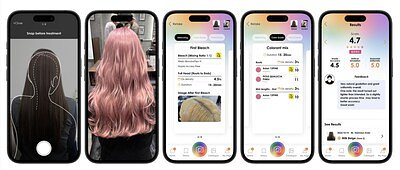
The workflow is designed for seamless integration into the salon environment. It begins with the stylist taking a photo of the client's hair before treatment. The AI then analyzes the image, assessing the current hair condition and color, and cross-references it with the client's desired outcome. Within moments, it proposes the optimal color recipe from its vast database, detailing the precise formula needed to achieve the target shade.
However, the system's role doesn't end with the formula. After the color service is complete, a photo of the final result is uploaded. The AI analyzes this outcome and provides detailed feedback across three distinct scoring categories. This closed-loop learning process serves a dual purpose: it offers immediate, objective feedback to help stylists refine their technique and continuously improves the algorithm's accuracy. This feature is positioned to benefit both novice stylists seeking to build confidence and seasoned professionals aiming for flawless consistency.
Behind the scenes, the technology leverages a combination of computer vision and deep learning, similar to other advanced image-processing AIs. It's trained to recognize subtle variations in hair texture, porosity, and existing color that can dramatically affect the final result. Furthermore, MTG has announced it is developing a line of hair dyes specifically optimized to work with the AI, which could further enhance the precision and predictability of treatments.
A Crowded Field of Digital Innovation
MTG's entry into AI-powered hair color places it within a competitive and increasingly sophisticated landscape. The global beauty industry has been quick to embrace artificial intelligence, with major players already deploying similar technologies to enhance both in-salon and at-home experiences. This trend underscores a broader shift towards personalization, data-driven services, and operational efficiency.
L'Oréal, a global beauty behemoth, introduced its AI-powered system, Coloright, in 2022. The salon-based technology allows stylists to create and virtually preview up to 1,500 customizable shades on clients by analyzing hair characteristics like density and grayness before formulating a custom dye mixture. Similarly, Henkel's Schwarzkopf Professional SalonLab™, first showcased in 2018, utilizes a handheld device with near-infrared sensors to measure hair quality at a molecular level, combining that data with a stylist's assessment for hyper-personalized consultations.
The market also includes a growing number of specialized tech startups. Companies like Yuv, in partnership with salon software platform Fresha, offer AI solutions that store and recall personalized client color formulas to ensure consistency across appointments. Other platforms are focused on education, with tools like salonscripts.ai providing virtual training modules and ReelMind.ai generating automated hair styling tutorials. This digital ecosystem, which also includes AR-powered "smart mirrors" for virtual try-ons and AI-driven inventory management, highlights the industry's commitment to leveraging technology to solve long-standing challenges. ReFa AI Color Recipe PRO distinguishes itself by focusing specifically on codifying the expertise of a single master stylist for complex high-tone colors—a niche that addresses a clear and growing market demand.
Redefining the Role of the Modern Stylist
The introduction of powerful AI tools like ReFa AI Color Recipe PRO inevitably raises questions about the future of the hairstylist's role. However, the technology is being framed not as a replacement for human skill, but as a powerful collaborator that augments professional expertise. By handling the complex, data-heavy analysis of color formulation, the AI frees stylists to focus on what they do best: artistry, creativity, and building strong client relationships.
For junior stylists, the system acts as an invaluable educational platform. The rising popularity of technically demanding styles like gray blending and high-tone bleaching has widened the skill gap in many salons. This AI tool can help standardize training and accelerate the learning curve, providing a digital mentor that offers consistent, data-backed guidance. The instant feedback mechanism allows them to learn from every application, building both competence and confidence far more quickly than traditional apprenticeship models might allow.
For experienced stylists, the tool offers a way to guarantee consistency and manage client expectations. It can validate their own formulas or offer new perspectives on challenging color corrections. By automating the more scientific aspects of their job, it allows them to dedicate more time to the consultation process, understanding the client's lifestyle and personality to deliver a truly holistic service. The technology empowers them to execute ambitious creative visions with a higher degree of certainty.
The Business of Beauty: AI's Impact on the Salon Floor
Beyond individual stylists, the ReFa AI Color Recipe PRO is designed to deliver significant business benefits at the salon management level. The system includes an advanced management dashboard that visualizes performance data, allowing owners to track technical progress and performance trends across the entire salon and for individual stylists. This data can inform business decisions, identify training needs, and optimize service offerings.
By standardizing results for complex services, salons can enhance their reputation for quality and reliability, which is a powerful competitive advantage. Increased efficiency in the color formulation process can lead to shorter appointment times and higher client throughput, directly impacting the bottom line. Furthermore, by reducing material waste through precise formula calculations, the tool contributes to more sustainable and cost-effective salon operations.
However, the path to adoption is not without its challenges. The initial investment in such technology can be a significant hurdle for smaller, independent salons. There may also be cultural resistance from stylists who fear that AI could devalue their craft or from clients who prefer a purely human touch. Successfully integrating these tools will require salon owners to champion the technology as a means of empowerment and to invest in training that helps staff understand how to leverage AI to enhance, not diminish, their professional artistry.
As MTG prepares to demonstrate the ReFa AI Color Recipe PRO at CES 2026, the industry will be watching closely. Its success will depend not only on the sophistication of its algorithm but also on its ability to seamlessly integrate into the dynamic, human-centric world of the professional hair salon, proving that the future of beauty lies in the perfect blend of art and algorithm.