
- $3.7 billion: Projected value of the pet tech industry by 2026
- 2/3 of U.S. households: Own a pet, making pet care a core activity in millions of homes
- $299.99: Price of the YUMSHARE DAILY FEAST, one of the first automated feeders for wet food
Experts view AI-powered pet care systems as valuable diagnostic aids that can prompt earlier veterinary intervention, though they emphasize the need for professional oversight and proper data security measures.
AI Pet Care Goes Beyond Automation to Offer Early Health Warnings
LOS ANGELES, CA – January 02, 2026 – On a CES show floor buzzing with electric vehicles and giant screens, a quieter revolution is taking place in the corner of the smart home many have overlooked: the pet corner. Global pet tech company PETKIT today unveiled an ambitious AI-powered ecosystem designed to transform everyday pet care from a series of automated conveniences into a proactive health monitoring system, aiming to provide owners with early warnings of potential illness.
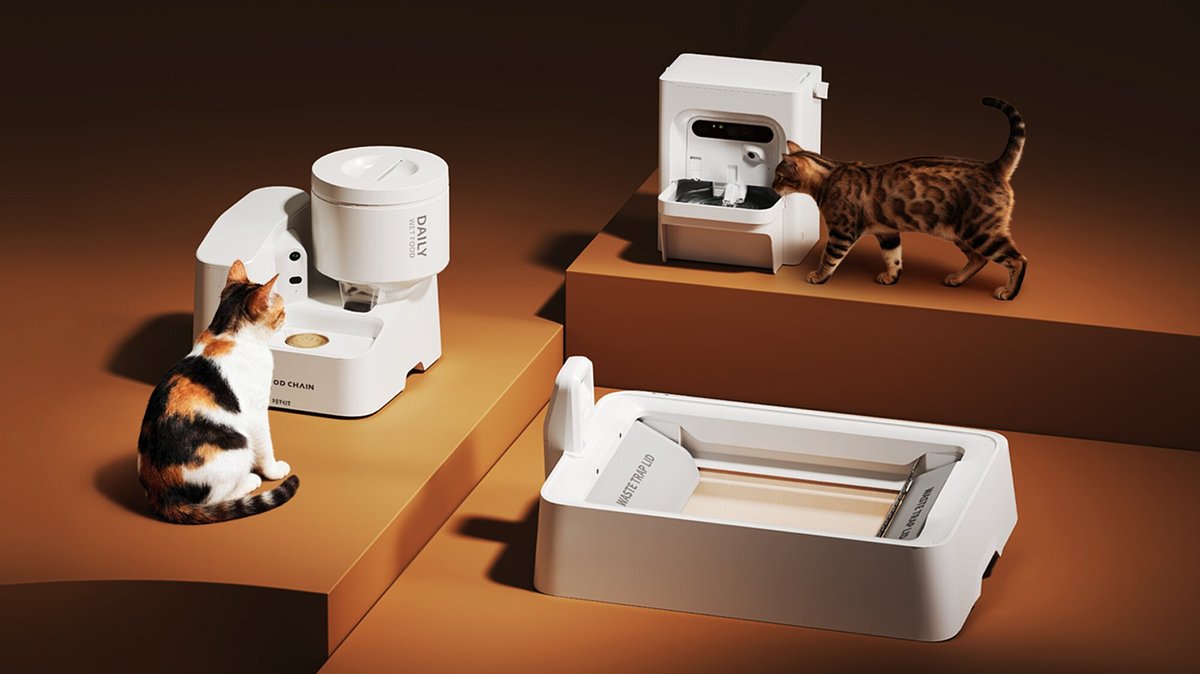
Returning to CES for its second year, the company introduced a suite of interconnected devices—including an AI-enhanced water fountain, a first-of-its-kind robotic wet food feeder, and a health-tracking automatic litter box. The system integrates these devices through a central app, creating a unified health dashboard that tracks subtle changes in a pet's daily behavior. The initiative places a strong emphasis on detecting the earliest signs of feline urinary issues, a common and often hidden ailment in cats.
From Automation to Actionable Insights
For years, smart pet technology has focused on solving the logistical challenges of pet ownership: automated feeding schedules, self-cleaning litter boxes, and filtered water on demand. PETKIT's 2026 lineup signals a significant pivot. The new ecosystem—comprising the PUROBOT CRYSTAL DUO litter box, EVERSWEET ULTRA water fountain, and YUMSHARE DAILY FEAST wet food feeder—leverages integrated AI cameras and sensors to do more than just automate chores.
Each device is designed to identify individual pets in a multi-pet household using facial recognition, meticulously tracking their specific habits. The EVERSWEET ULTRA fountain, for instance, doesn't just provide water; it "sees" every sip, logging the frequency and duration of each pet's drinking sessions. The YUMSHARE DAILY FEAST, a robotic dispenser for wet food, monitors eating patterns and detects leftovers, while the PUROBOT CRYSTAL DUO tracks litter box visits, waste type, and can even provide alerts for abnormal events like runny stool or signs of distress.
This data is aggregated in the PETKIT app, creating a continuous health profile for each animal. "When each PETKIT device communicates through the app, data from feeders, fountains and litter boxes comes together in a single health dashboard," the company explained. This dashboard highlights trends over time, flagging increases or decreases against a pet's established baseline. For an owner of a cat with chronic kidney disease, seeing a correlated increase in drinking and urination alongside a decrease in appetite could provide the clear, early evidence needed to consult a veterinarian.
The Competitive Field of Connected Pet Health
PETKIT is not entering an empty field. The push towards data-driven pet health is a growing trend, with major players already in the market. Purina's Petivity, for example, offers a smart litter box monitor that uses AI to track a cat's weight and elimination habits to flag potential health issues like UTIs, kidney disease, or diabetes. Developed over a decade with veterinary input, Petivity has established a strong presence in AI-based feline health monitoring.
Where PETKIT aims to differentiate itself is through its integrated ecosystem approach. While competitors often focus on a single point of data collection, such as the litter box, PETKIT's strategy is to create a more holistic health picture by combining insights from hydration, nutrition, and elimination. This multi-faceted view could offer a more nuanced understanding of a pet's well-being. Furthermore, the introduction of the YUMSHARE DAILY FEAST, priced at $299.99, carves out a new niche as one of the first automated feeders designed specifically for the complexities of serving fresh wet food, a significant pain point for many cat owners.
A Vet's Perspective on Digital Diligence
Veterinary professionals are cautiously optimistic about the rise of such technologies. The ability to collect objective, long-term behavioral data can be a powerful tool in preventive care, especially for species like cats that are masters at hiding pain and illness.
"We often rely on owner observation, which can be subjective and sporadic," commented one veterinarian specializing in feline health. "A system that provides a consistent baseline and flags subtle deviations—like a 10% increase in water intake over two weeks—gives us concrete data to work with. It can prompt earlier diagnostic testing and intervention, which almost always leads to better outcomes."
However, experts caution that these devices are diagnostic aids, not veterinarians in a box. The accuracy of the data depends on proper setup and maintenance, and the interpretation of that data still requires professional expertise. The ultimate goal is not to replace veterinary visits but to make them more informed and timely. The American Veterinary Medical Association (AVMA) supports technological advancements that improve animal health but consistently underscores the irreplaceable role of professional veterinary oversight for any diagnosis or treatment plan.
The Data-Driven Pet and the Privacy Question
The promise of a healthier, longer life for pets comes with a modern-day trade-off: data. These sophisticated systems collect a vast amount of information, not just about a pet's bathroom habits, but also through cameras that operate within the home. This raises significant questions about data privacy and security.
The pet tech industry, projected to be worth over $3.7 billion by 2026, has grown faster than the regulations governing it. Unlike human health data, which is protected by laws like HIPAA, pet data exists in a largely unregulated space. Security analyses of other connected pet devices have revealed vulnerabilities, from unencrypted data transmission to the collection of sensitive information about the owner's location and daily schedule.
According to its privacy policy, PETKIT does not sell personal information but may share anonymized, aggregated data with third parties. The company states it uses safeguards to protect information but, like most tech companies, includes a disclaimer that it "cannot ensure the security of any information you transmit." For consumers, this means weighing the significant health benefits against the potential privacy risks inherent in bringing another connected camera and data collection device into their home.
Redefining the Smart Home for All Its Inhabitants
Ultimately, PETKIT's CES showcase argues that the smart home is incomplete if it ignores its non-human residents. With nearly two-thirds of U.S. households owning a pet, daily routines like feeding, providing water, and cleaning waste are core activities in hundreds of millions of homes.
"CES will always focus on technology that improves human life, but when more than a billion companion animals share our homes, pet care is part of that story as well," said W. K. Guo, founder of PETKIT, in a statement. By embedding advanced AI into these fundamental tasks, the company is not only aiming to automate pet care but to elevate it, making health monitoring a seamless part of the domestic landscape.
With products priced in the premium range—the EVERSWEET ULTRA fountain at $199.99 and the PUROBOT CRYSTAL DUO litter box expected around a similar price point—the ecosystem targets dedicated pet parents willing to invest in their companion's long-term wellness. This launch, alongside other pet-centric innovations at CES 2026, solidifies pet tech's evolution from a niche gadget category into a serious and increasingly sophisticated segment of the global consumer electronics market.