
- 2 Airbus A321neo aircraft leased to My Freighter for 2027 delivery
- AerCap's first-ever move into Uzbekistan, signaling strategic investment in emerging aviation hub
- Uzbekistan's 'Open Skies' policy implemented to attract foreign carriers and boost traffic
Experts view this deal as a validation of Uzbekistan's ambition to become a global aviation hub, leveraging strategic partnerships and next-generation aircraft to enhance connectivity between Europe and Asia.
AerCap Fuels Uzbekistan's Rise as a New Global Aviation Hub
DUBLIN, Ireland – December 09, 2025
A seemingly straightforward press release this week announced a new aircraft lease agreement. AerCap, the world's undisputed leader in aviation leasing, will supply two new Airbus A321neo aircraft to My Freighter, a burgeoning Uzbek cargo and passenger airline. On the surface, it’s a standard transaction in an industry built on such deals. But look closer, and this agreement reveals the blueprint for the future of global aviation: the strategic empowerment of emerging markets, the disruptive power of next-generation technology, and the birth of a new logistical crossroads in the heart of Central Asia.
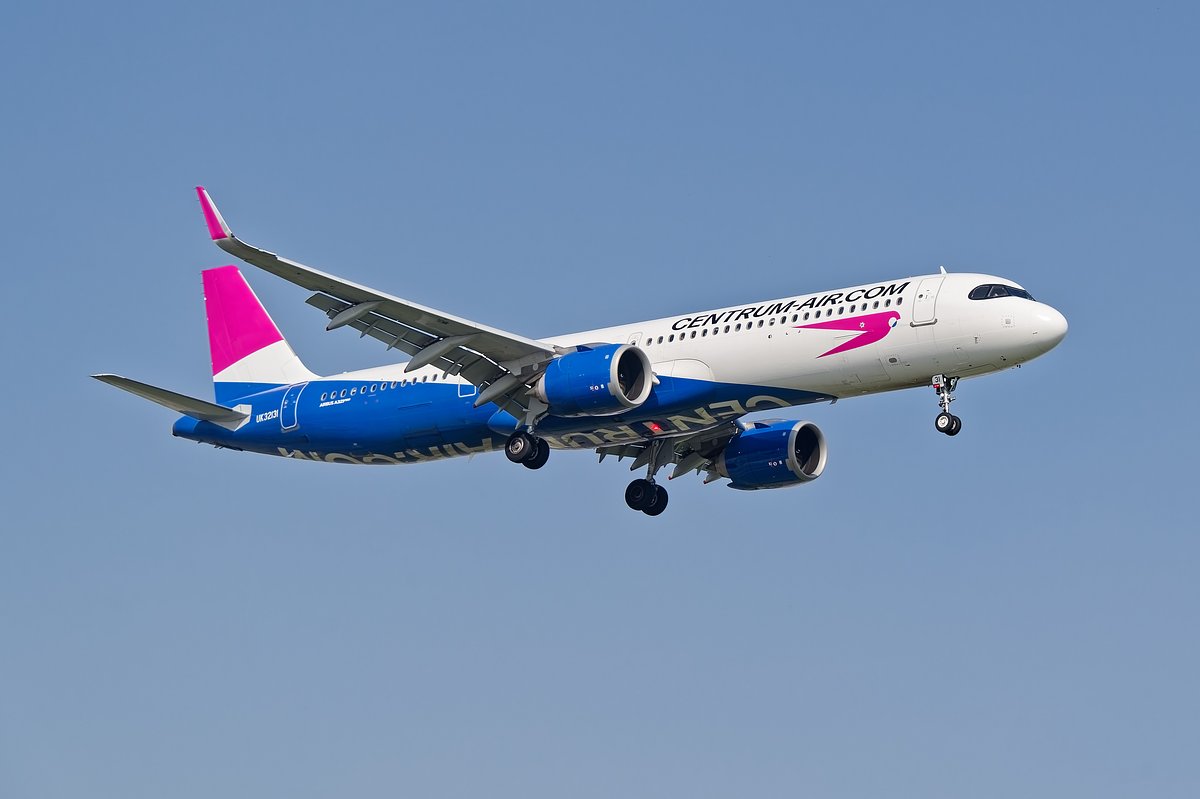
This isn't just about two planes scheduled for a 2027 delivery. It’s about AerCap making its first-ever move into Uzbekistan, planting a flag in a nation aggressively positioning itself as the next great aviation hub. For My Freighter and its passenger arm, Centrum Air, it’s the key to unlocking a direct air bridge to Europe, transforming the competitive landscape. This deal is a powerful indicator of where capital, technology, and ambition are converging to redraw the world's flight maps.
The New Silk Road Takes Flight
For centuries, Uzbekistan was a central node on the ancient Silk Road, a vital conduit for trade between East and West. Today, the nation is channeling that history into a bold 21st-century vision. The government in Tashkent has embarked on an ambitious campaign of economic liberalization and infrastructure development, with the aviation sector at its core. The goal is clear: transform Tashkent into a premier aviation hub, leveraging its strategic geography to connect Europe with the booming markets of Asia.
This ambition is backed by concrete policy. An “Open Skies” policy has been implemented at several regional airports to attract foreign carriers and stimulate traffic. Visa-free travel regimes have been established for citizens of numerous countries to supercharge tourism. These initiatives, coupled with significant foreign investment flowing into the country, are creating fertile ground for aviation growth. The government understands that in a globalized economy, connectivity is currency.
This is the context in which the AerCap deal finds its true significance. As Peter Anderson, AerCap's Chief Commercial Officer, noted, the partnership aims to support “Tashkent as an emerging hub connecting East and West.” It’s a powerful external validation of Uzbekistan's national strategy. By providing state-of-the-art aircraft, AerCap is supplying the critical hardware needed to turn ambition into reality, enabling a local private airline to compete on the international stage and build out the spoke-and-hub network that is essential for a thriving logistics center.
A Calculated Bet on an Emerging Market
For a behemoth like AerCap, with a portfolio of nearly 2,000 aircraft serving 300 customers worldwide, every move is a calculated part of a larger global strategy. The decision to enter Uzbekistan is a textbook example of how the world's most sophisticated lessors identify and capitalize on future growth. The global aviation leasing market is in a period of robust expansion, fueled not just by the post-pandemic travel rebound but by an accelerating trend of airlines opting to lease rather than buy to preserve capital and maintain fleet flexibility.
The fastest growth in this market is not in the mature economies of North America or Europe, but in emerging regions. Asia-Pacific and the Middle East are experiencing explosive air traffic growth, and lessors are shifting their focus accordingly. AerCap's move into Uzbekistan is a precise, targeted investment in this trend. It represents a diversification of its geographic portfolio, mitigating risk while tapping into a market with immense upside potential.
This deal aligns perfectly with AerCap's stated corporate objective of deploying new-technology, fuel-efficient aircraft. By placing its most in-demand assets—like the A321neo—with ambitious carriers in high-growth regions, AerCap ensures its portfolio remains modern, profitable, and aligned with the industry's push toward greater sustainability. It's a symbiotic relationship: AerCap provides the tools for growth, and partners like My Freighter deliver the regional market access and operational expansion that generate returns.
The A321neo: Workhorse of a New Aviation Era
The choice of the Airbus A321neo is perhaps the most innovative aspect of this entire story. This aircraft is more than just an updated model; it's a category-defining piece of technology that is fundamentally changing airline economics. For decades, routes connecting continents, such as Central Asia to Western Europe, were the exclusive domain of large, expensive wide-body jets. The A321neo shatters that paradigm.
Its “neo” (new engine option) power plants and aerodynamic refinements deliver a step-change in fuel efficiency, slashing operating costs and making long, thin routes economically viable for the first time with a narrow-body plane. Its extended range allows it to fly farther than any of its single-aisle predecessors, directly connecting city pairs that previously required a stopover or a much larger aircraft. This combination of efficiency and range is a potent weapon for an airline like Centrum Air.
As Abdulaziz Abdurakhmanov, Chairman and CEO of Centrum Holding, stated, the A321neo’s “enhanced efficiency, and extended range will enable us to offer greater comfort and more travel opportunities for our passengers.” It allows the airline to launch direct flights to European capitals, offering a competitive product against established legacy carriers without the crippling capital cost and financial risk of a wide-body fleet. Furthermore, the A321neo's significant belly-hold capacity provides a dual revenue stream, supporting My Freighter's core cargo business on passenger routes. This versatility makes it the ideal instrument for a carrier focused on nimble, profitable expansion.
Reshaping the Skies Over Central Asia
The arrival of these A321neos in 2027 is set to send ripples across the Central Asian competitive landscape. My Freighter and Centrum Air, established in just 2020 and 2023 respectively, are positioning themselves for a direct challenge to the established order. Their primary domestic competitor is the state-owned flag carrier, Uzbekistan Airways, which has long dominated the market. By operating a younger, more fuel-efficient fleet on key international routes, Centrum Air can potentially offer more competitive fares and a superior passenger experience.
The partnership with a global leader like AerCap also lends significant credibility and stability, signaling to the market that My Freighter and its passenger arm are serious, well-supported players. This deal is more than an expansion; it’s an upgrade in operational capability and market presence. As My Freighter and Centrum Air build out their network to Europe, they will not only enhance Uzbekistan's global connectivity but also increase competitive pressure on regional rivals in Kazakhstan and beyond.
This single lease agreement, therefore, serves as a microcosm of the forces reshaping global business. It demonstrates the power of strategic partnerships to accelerate growth, the role of disruptive technology in leveling the playing field, and the unstoppable rise of new economic centers. As these new aircraft prepare to take to the skies, they will carry more than just passengers and cargo; they will carry the ambitions of a nation determined to reclaim its historic place at the center of the world.