
- 5% customs duty waiver on artworks valued at AED 10 million (US$2.72 million) or more.
- 3-year minimum placement required in Abu Dhabi, with a 6-month export window.
- Aim to double tourism's GDP contribution by 2030 through cultural investments.
Experts view Abu Dhabi's art duty waiver as a strategic move to position the emirate as a global cultural hub, combining financial incentives with transparency to attract high-value collections while fostering public engagement and economic diversification.
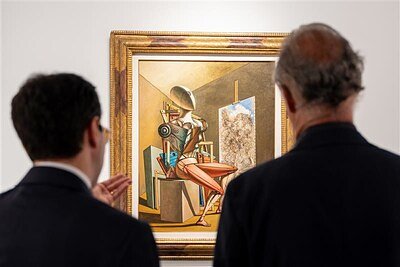
Abu Dhabi Waives Art Tariffs to Attract Global Masterpieces
ABU DHABI, UAE – February 06, 2026 – The Department of Culture and Tourism – Abu Dhabi (DCT Abu Dhabi) has launched a landmark initiative set to reshape the global art market, introducing a customs duty waiver program designed to attract the world's most significant private art collections. The move positions the emirate as a premier, secure destination for the long-term placement, conservation, and exhibition of high-value artworks, directly challenging established art hubs across the globe.
This pioneering program targets high-net-worth collectors and family offices, offering a powerful financial incentive coupled with a robust regulatory framework. It is a cornerstone of Abu Dhabi's ambitious cultural strategy, aiming to transform the emirate into a trusted global capital for cultural stewardship.
A New Financial and Logistical Haven
The core of the initiative is a full waiver of the standard 5% customs duty for artworks valued at AED 10 million (approximately US$2.72 million) or more. This exemption, which also circumvents the additional 5% VAT typically levied on imports, presents a substantial cost saving for collectors moving multimillion-dollar pieces across borders. To qualify, artworks must be brought into Abu Dhabi for a minimum term of three years, a requirement that underscores the program's focus on long-term placement rather than transient storage. The program also offers enhanced flexibility with a six-month export window upon completion of the term.
This model presents a compelling alternative to traditional art freeports in jurisdictions like Switzerland, Singapore, and Luxembourg. While freeports offer tax-free storage, they often function as isolated, high-security zones, keeping art out of public and academic reach. Abu Dhabi’s approach is fundamentally different; it seeks to integrate these private treasures into the emirate's vibrant cultural ecosystem. By waiving duties for art entering the emirate proper, Abu Dhabi encourages collections to become part of the local landscape, not just assets held in a bonded warehouse. This strategic distinction aims to attract collectors who are interested in both asset protection and cultural legacy.
Championing Transparency in an Opaque Market
Beyond the financial incentives, Abu Dhabi is making a deliberate statement about governance and ethics in the often-murky high-value art world. The program is built on a foundation of stringent due diligence, mandating documented provenance and full ownership transparency. This commitment directly addresses global concerns about illicit trade, forgeries, and the movement of unethically sourced artifacts.
Oversight is paramount. A specialized committee, composed of internationally recognized art experts, will evaluate all submissions to ensure they meet the program's high standards. This rigorous vetting process is designed to safeguard the integrity of the initiative and reinforce Abu Dhabi's commitment to responsible cultural investment. The entire process is streamlined through a dedicated digital portal, allowing collectors and their representatives to submit expressions of interest, access program details, and engage directly with advisory experts in a transparent manner.
This focus on regulatory clarity aligns with broader legal developments in the UAE, including the Federal Decree-Law No. 29 of 2024, which established a national framework to support the arts sector. By leading with regulation, DCT Abu Dhabi is signaling to the market that it is building a sustainable and trustworthy environment, aiming to set a new global benchmark for transparency and responsible participation in the art trade.
Forging Cultural Capital Beyond Oil
The art customs duty waiver is a key pillar in Abu Dhabi's long-term vision to diversify its economy and build its international soft power. By attracting significant private collections, the emirate is not just importing art; it is importing cultural capital. This influx is projected to have a ripple effect across the economy, stimulating growth in related sectors such as specialized logistics, art conservation, insurance, art law, and wealth management.
The initiative is also a critical component of Abu Dhabi's strategy to nearly double tourism's contribution to its GDP by 2030. The presence of world-class art, both in public institutions and potentially accessible private collections, enhances the emirate's appeal as a top-tier cultural destination. Success for the program will not be measured merely by the monetary value of the art it attracts, but by its ability to foster a dynamic and resilient creative ecosystem, create high-skilled jobs, and deepen international partnerships.
This strategic investment in culture reinforces Abu Dhabi's global brand as a forward-thinking center for arts and dialogue, moving beyond its identity as an energy powerhouse to become a global leader in cultural stewardship.
Integrating Private Treasures with Public Enrichment
A defining feature of the Abu Dhabi program is its explicit goal of connecting private collections with public cultural life. Participants will have opportunities for their artworks to be considered for scholarly study, research, and curated public engagement. This provides collectors with a unique value proposition: the chance for their treasures to be studied by academics, appreciated by the public, and contribute to a broader cultural understanding, thereby cementing their own legacy.
This synergy is made possible by Abu Dhabi's world-class cultural infrastructure. Institutions like the Louvre Abu Dhabi and the highly anticipated Guggenheim Abu Dhabi provide ideal platforms for exhibiting pieces from these private collections. Such collaborations would enrich the museums' offerings and give the public access to artworks they might never otherwise see. While the program's initial phase focuses on establishing regulatory certainty, operational services such as conservation support and curatorial engagement are set to be rolled out in the coming months, further strengthening the bridge between private ownership and public benefit.
By creating this framework, Abu Dhabi is redefining the role of the private collector from a passive holder of assets to an active participant in the global cultural narrative, offering a stable and transparent environment where art can be both protected and celebrated.