
- 120 participants: Study involved 120 adults aged 66–89 at risk of falls
- 43 grams daily: Peanut butter group consumed ~3 tbsp (43g) daily for 6 months
- 20% faster: Peanut butter group completed sit-to-stand tests significantly faster, indicating increased muscle power
Experts agree that daily peanut butter consumption can effectively boost muscle power in seniors, offering an accessible and affordable strategy to combat age-related muscle decline and reduce fall risk, though it should complement—not replace—exercise.
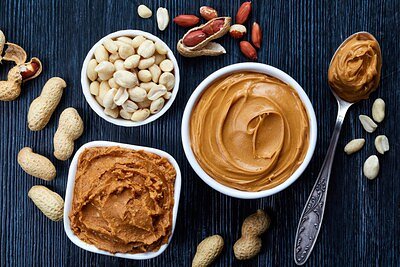
A Simple Scoop for Strength: Peanut Butter Boosts Senior Muscle Power
ALBANY, Ga. – March 03, 2026 – A simple, daily dietary change could hold a powerful key to helping older adults maintain their strength, mobility, and independence. New research from a clinical trial in Australia has found that consuming about three tablespoons of peanut butter daily can significantly boost muscle power in seniors, a crucial factor in performing everyday activities and preventing debilitating falls.
The findings, published in the peer-reviewed Journal of Cachexia, Sarcopenia and Muscle, stem from a six-month study conducted by researchers at Deakin University's Institute for Physical Activity and Nutrition. The research offers a promising, accessible, and affordable strategy to combat age-related muscle decline.
The Science of Strength
The study, known as the Capacity of Older Individuals after Nut Supplementation (COINS), involved 120 adults between the ages of 66 and 89. These individuals were living independently but were identified as being at risk for falls. Participants were randomly split into two groups: one group was asked to incorporate 43 grams of commercially available natural peanut butter into their daily diet, while the control group maintained their usual lifestyle and eating habits.
After six months, the results were compelling. Researchers assessed participants' lower-body muscle power using a sit-to-stand test—a common measure of functional strength. The group that consumed peanut butter daily was able to complete the tests significantly faster than their counterparts, indicating a meaningful increase in muscle power. Notably, this improvement was achieved without any corresponding weight gain, despite the peanut butter group increasing their intake of protein and healthy unsaturated fats.
“Being able to complete the test faster means greater muscle power,” explained Dr. Sze-Yen Tan, the study's lead researcher from Deakin University. “Muscle power enables older people to perform activities of daily living, such as stair climbing and rising from a chair. Increased muscle power also reduces the risk of falls, which is a common reason for loss of independence, compromised quality of life and even premature death.”
A Practical Solution for a Pervasive Problem
The study's implications are particularly significant given the widespread challenge of age-related muscle loss, or sarcopenia. Sarcopenia affects a substantial portion of the aging population, with prevalence rates climbing as high as 50% in those over 80. This condition is a primary contributor to frailty, functional decline, and an increased risk of falls, which are the leading cause of injury for adults over 65.
In this context, peanut butter emerges as more than just a pantry staple. The research positions it as a practical and palatable alternative to the often-expensive oral nutrition supplements marketed to seniors. These supplements can have unfamiliar tastes, leading to poor adherence.
“Peanut butter, which is a naturally rich source of nutrients, including protein and healthy fats, can be an accessible, affordable and palatable alternative to commercial oral nutrition supplements,” Dr. Tan added. She also highlighted its familiar taste and soft texture, which makes it suitable for seniors who may have dental issues that make chewing whole nuts difficult.
Experts note that while the study demonstrates a clear benefit, the findings should be seen as part of a holistic approach. Dr. Tan emphasized that this dietary strategy is not a replacement for exercise. “Our study shows that eating natural peanut butter, as a snack or part of a meal, can be used in combination with [strength and resistance training] to further enhance muscle power and to improve nutrition at the same time.”
A Powerhouse Nutrient for All Ages
The benefits of peanuts for muscle health are not limited to older adults. The COINS study adds to a growing body of evidence demonstrating the versatile role of peanuts in supporting muscle development and performance across the lifespan.
“A serving of peanuts delivers seven grams of plant-based protein, and protein is a key component for muscle health,” said Dr. Samara Sterling, a nutrition scientist and research director for The Peanut Institute. This protein is rich in leucine, an amino acid crucial for signaling muscle building and repair.
Previous research supports this broader application:
- A 2021 Auburn University study found that when older, untrained individuals combined peanut powder with resistance training, they saw significant improvements in muscle growth and strength.
- Studies in 2022 and 2023 linked peanut consumption to improved endurance and reduced fatigue in athletes, partly by lowering oxidative stress after exercise.
- More recently, a 2024 study found that athletes who consumed peanuts and peanut butter during resistance training experienced better gains in lean body mass, helping them build functional weight without excess body fat.
This cumulative research paints a clear picture of peanuts and peanut butter as a functional food that supports muscle health, whether the goal is to build athletic power, increase endurance, or simply maintain the strength needed for a vibrant, independent life in later years.
As the global population ages, the search for effective, scalable, and cost-effective health interventions is more critical than ever. The senior nutrition market is booming, with a clear trend toward functional foods that provide targeted benefits. This latest research suggests that one of the most effective tools for healthy aging might already be in the kitchen cupboard, offering a simple and delicious way to build strength, one spoonful at a time.