
- $45 billion: The global shrimp industry's value, heavily impacted by disease outbreaks.
- 62% survival rate: Offspring of vaccinated shrimp showed this resistance to White Spot Syndrome Virus (WSSV) in trials.
- 50% increase: Global protein demand projected by 2050, with aquaculture central to meeting this need.
Experts view this breakthrough as a transformative solution for sustainable aquaculture, offering a biological approach to disease prevention that could revolutionize global protein production and reduce reliance on antibiotics.
A Shot for Shrimp: Vaccine Breakthrough Aims to Secure Global Protein
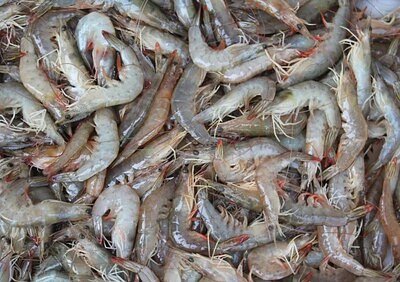
ATHENS, Ga. – January 13, 2026 – In a significant leap forward for global food security, biotech firm Dalan Animal Health has announced a breakthrough that could fundamentally alter how we produce animal protein. The company has developed a first-of-its-kind vaccine candidate for shrimp that works by immunizing parent animals, thereby passing on disease protection to their offspring. This novel approach, known as transgenerational immunity, promises a scalable, biological solution to the catastrophic disease outbreaks that have long plagued the $45 billion global shrimp industry and hampered the growth of sustainable aquaculture.
The implications of this technology extend far beyond shrimp. Building on the success of the world's first honeybee vaccine, Dalan's platform represents a new category of animal health tools that could soon be deployed to protect other critical protein sources, including salmon, poultry, and swine, from devastating diseases.
The Crippling Cost of Disease
The world is facing a monumental challenge: global protein demand is projected to surge by 50% by 2050, driven by a growing population and rising incomes. Aquaculture, the fastest-growing food production sector, is central to meeting this demand. It already yields over 94 million metric tons of animal protein annually, surpassing global beef production by a wide margin. However, its potential is severely constrained by disease.
Nowhere is this more evident than in shrimp farming. Pathogens like White Spot Syndrome Virus (WSSV) are notoriously virulent, capable of wiping out 100% of a farm's stock within days. Since its emergence, WSSV alone is estimated to have cost the global shrimp industry between $8 billion and $15 billion. These massive die-offs force many producers into a heavy reliance on antibiotics and chemical treatments, which in turn contributes to the growing threat of antimicrobial resistance—a crisis the World Health Organization calls one of the top 10 global public health risks.
This creates a difficult trade-off between producing more food and protecting environmental and public health. "The sustainable protein challenge isn't just about producing more food—it's about producing it without destroying the biological systems we depend on," said Dr. Annette Kleiser, CEO of Dalan Animal Health. "When a shrimp farm loses 100% of its stock to viral outbreak... it's not just an economic loss—it's wasted resources, environmental damage, and a step backward in feeding the world sustainably."
A New Biological Paradigm
For decades, vaccinating invertebrates like shrimp was considered nearly impossible. Lacking the adaptive immune system of vertebrates, they cannot produce the antibodies and memory cells that form the basis of traditional vaccines. Dalan's technology circumvents this by tapping into the innate immune system, a more ancient defense mechanism common to all animals.
The company’s recent study validates that orally vaccinating parent whiteleg shrimp (Penaeus vannamei) activates this innate system, creating a form of immune memory that is then passed down to their progeny. The result is a new generation of shrimp born with significant resistance to WSSV. In clinical trials, this approach yielded a 62% survival rate in offspring exposed to the deadly virus. Similar tests against Acute Hepatopancreatic Necrosis Disease (AHPND), also known as Early Mortality Syndrome (EMS), showed a 61% survival rate. The protection is designed to last for the shrimp's entire life cycle.
This platform was first proven with Dalan’s honeybee vaccine, which received conditional licensure from the USDA in 2023 for protecting colonies against American Foulbrood. By proving the mechanism works in two distinct invertebrate species, the company has established a powerful proof-of-concept.
Gabriel Luna, an aquaculture executive and Dalan advisory board member, framed the breakthrough's importance. "Disease is the primary constraint that prevents us from scaling this efficiency sustainably. Dalan's approach is transformative because it works with biology, not against it. By creating inherently resilient populations instead of just treating individual outbreaks, we are securing the most vital engine of the global food system."
From Lab Trials to Farm Reality
With promising trial data in hand, Dalan is moving swiftly toward commercialization. The company is working to make its shrimp vaccine technology commercially available within the next 18 to 24 months, pending the completion of expanded field trials and regulatory approvals in key markets. The prior USDA approval for its honeybee vaccine provides a valuable precedent and roadmap for navigating these regulatory pathways.
To accelerate adoption, Dalan has already opened discussions with major shrimp producers in Asia, the epicenter of global aquaculture. The strategy focuses on integrating the oral vaccine at the hatchery level, where broodstock are managed. This centralized approach allows for efficient vaccination of parent animals before their offspring are distributed to thousands of individual farms, ensuring a wide and rapid impact.
This innovative model bypasses the logistical nightmare of trying to vaccinate billions of individual shrimp on farms, offering a practical solution that can be readily integrated into existing production systems. The potential for strategic partnerships with global leaders in aquaculture nutrition and health could further streamline distribution, making the technology accessible to a large portion of the world's shrimp farmers.
Beyond the Shrimp Pond: A Platform for Animal Health
While the immediate focus is the lucrative shrimp market, Dalan's vision is far broader. The company's Innate Immunity Platform is built on a biological principle that is not limited to invertebrates. Experts on the company's advisory board see a clear path for expansion into other species facing immense disease pressure.
"From an evolutionary biology perspective, innate immunity is universal to plants and animals," explained Dr. Sunil Kadri, an aquaculture scientist. "The next logical applications are salmon, where sea lice and infectious diseases cost billions annually, and poultry and swine, where emerging diseases like avian influenza and PRRS create huge economic and food security issues."
The potential to develop oral vaccines that confer inherited immunity in vertebrates could revolutionize disease management across the entire animal protein sector. It offers a proactive, preventative strategy that reduces the need for reactive treatments, including the use of critical antibiotics.
Cindy Tsang, a global animal health innovation leader and Dalan advisor, emphasized the sustainability imperative. "Every major protein producer... faces the same fundamental tension: how to increase production while reducing environmental impact and antibiotic use. Dalan's platform offers a path forward. Biological solutions that enhance natural immunity allow us to scale sustainably in ways that chemical interventions never could."
As Dalan pushes forward with its shrimp vaccine, the industry is taking notice. The company's approach addresses the single biggest bottleneck in the quest for a secure and sustainable food future. "Companies across the value chain recognize that whoever controls this technology controls a significant competitive advantage in the race to feed 10 billion people sustainably," Dr. Kleiser concluded.