
- 1 in 76,000 newborns affected by Nonketotic Hyperglycinemia (NKH)
- 85% of diagnosed infants have the severe form of NKH
- 450 clinical batches and 75 global trials supported by Andelyn Biosciences' AAV Curator® Platform
Experts view this partnership as a promising model for advancing treatments for ultra-rare diseases, combining patient advocacy, academic research, and specialized manufacturing to overcome financial and technical barriers.
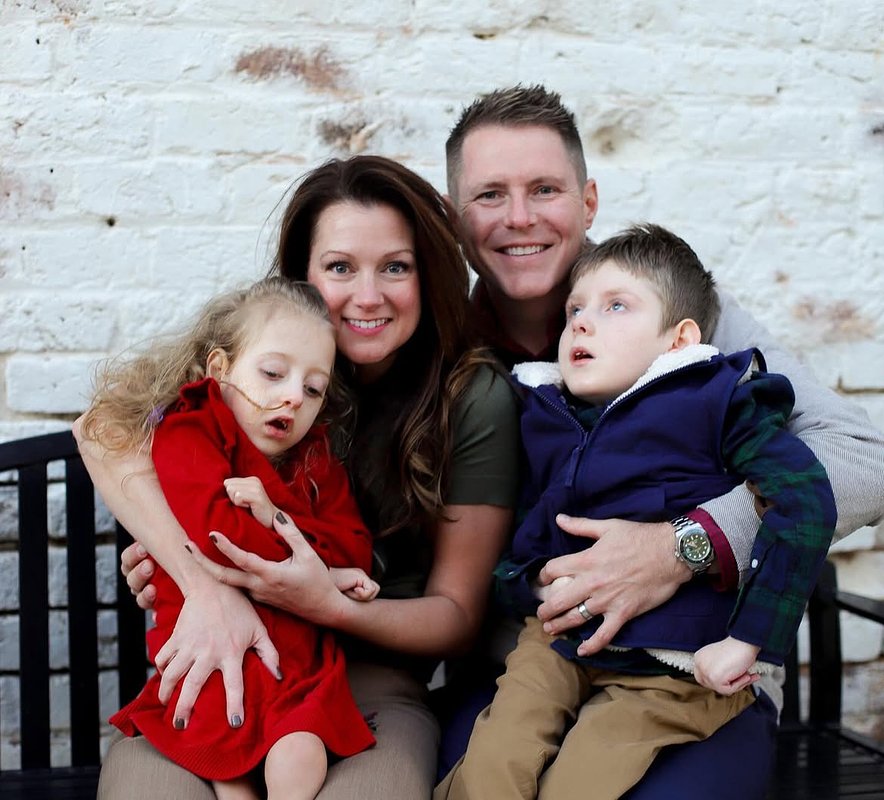
A Family's Fight Fuels Gene Therapy Advance for Fatal Rare Disease
COLUMBUS, OH – February 17, 2026 – In a significant step forward for one of the world's rarest and most devastating diseases, a new partnership is bringing the promise of cutting-edge gene therapy closer to reality. Andelyn Biosciences, a specialized gene therapy manufacturer, announced today it will partner with the Drake Rayden Foundation to produce a clinical-grade treatment for Nonketotic Hyperglycinemia (NKH).
The collaboration marks a pivotal moment of hope for families affected by NKH, an inherited metabolic disorder with a grim prognosis. By leveraging Andelyn's advanced manufacturing capabilities, the partnership aims to translate years of dedicated research and relentless parental advocacy into a tangible therapy for children who have no other options.
A Battle Born from a Devastating Diagnosis
Behind this scientific milestone is the deeply personal story of the O'Sullivan family. In 2017, Eric and Tarah O'Sullivan founded the Drake Rayden Foundation after their son, Drake, was diagnosed with NKH at just two weeks old. A few years later, their daughter Vivian received the same diagnosis.
NKH is a brutal genetic lottery. Caused by a mutation in the GLDC gene, the disease prevents the body from breaking down the amino acid glycine. This leads to a toxic buildup in the brain and central nervous system, causing catastrophic neurological damage. The most severe form, affecting nearly 85% of diagnosed infants, manifests within days of birth with symptoms like profound lethargy, uncontrollable seizures, and respiratory failure. Many do not survive infancy, and those who do face a lifetime of severe disability with a very poor prognosis.
Faced with this reality, the O'Sullivans channeled their grief into action, creating a foundation to fund research and build the collaborations necessary to pioneer a treatment. Their journey reflects a profound determination shared by many in the rare disease community.
“We have clung to the verse in Galatians that brought such encouragement when we faced the exhaustion that comes from trying to create treatment in a rare disease,” said Tarah O'Sullivan, founder and mother of Drake and Vivian. “Chapter 6 verse 9 reminds us, ‘Let us not become weary in doing good, for at the proper time we will reap a harvest if we do not give up.’ This gene therapy is bringing such a season of hope for the future.”
A New Model for Curing Ultra-Rare Diseases
The Andelyn-Drake Rayden partnership exemplifies an emerging and vital model for drug development. Ultra-rare diseases like NKH, which affects an estimated 1 in 76,000 newborns, are often considered commercially non-viable by large pharmaceutical companies. The high cost of development and a tiny patient population create a financial 'valley of death' that can strand promising science in the laboratory.
This collaboration circumvents that impasse. The Drake Rayden Foundation, powered by community fundraising and unwavering focus, has driven the scientific agenda. Now, they are partnering with a specialized Contract Development and Manufacturing Organization (CDMO) to handle the complex and highly regulated process of creating the therapy itself.
Andelyn Biosciences will work closely with the foundation and scientists from Dr. Steven Gray's laboratory at the University of Texas Southwestern (UTSW). Dr. Gray is a leading figure in neurological gene therapy, and his lab's involvement provides the critical academic research backbone for the project. This three-way partnership—patient advocacy, academic science, and manufacturing expertise—creates a powerful engine to push treatments for overlooked diseases across the finish line.
“We are elated that our established and rapidly growing work on clinical and commercial gene therapy programs for the biotech industry allows us to also support family foundations seeking treatments for loved ones-often children with rare diseases,” said Matt Niloff, Chief Commercial Officer at Andelyn Biosciences. “The power of gene therapy continues to offer the much-needed hope for the many patients with genetic diseases, and we are honored to play a pivotal role in delivering these therapies.”
Manufacturing Hope with Precision Technology
At the heart of this effort is Andelyn Biosciences' AAV Curator® Platform. Developing a gene therapy requires creating a safe and effective delivery vehicle, typically a modified, harmless virus known as an Adeno-Associated Virus (AAV), to carry a correct copy of the faulty gene into target cells. Manufacturing these viral vectors at clinical grade—meaning pure, potent, and safe enough for human injection—is a monumental technical challenge.
The AAV Curator® Platform is a data-driven, modular system designed to streamline this process, ensuring both speed and quality. With experience producing material for over 450 clinical batches and 75 global trials, the Ohio-based CDMO has built a reputation for tackling complex manufacturing for rare and ultra-rare conditions. The platform's flexibility and reliance on a proprietary, high-producing cell line are designed to accelerate the timeline from laboratory concept to a vial of clinical-grade therapy.
This move to formal manufacturing is the most significant step yet in the journey to treat NKH. It represents the transition from preclinical research to the production of a therapy that can be tested in human clinical trials. For the children and families who have been waiting, this manufacturing agreement transforms an abstract scientific hope into a concrete plan of action, paving the way for a clinical trial that could finally offer a defense against this devastating disease.