
- $69 million: VF Developments' portfolio value since 2015
- 2.0%: Willard neighborhood's exceptionally low vacancy rate
- $2,700: Average rent in Santa Ana, 40% higher than the national average
Experts would likely conclude that this project exemplifies the growing trend of adaptive reuse in Southern California, where historic preservation meets modern luxury, though it also underscores the complex challenges of gentrification and displacement in rapidly changing urban neighborhoods.
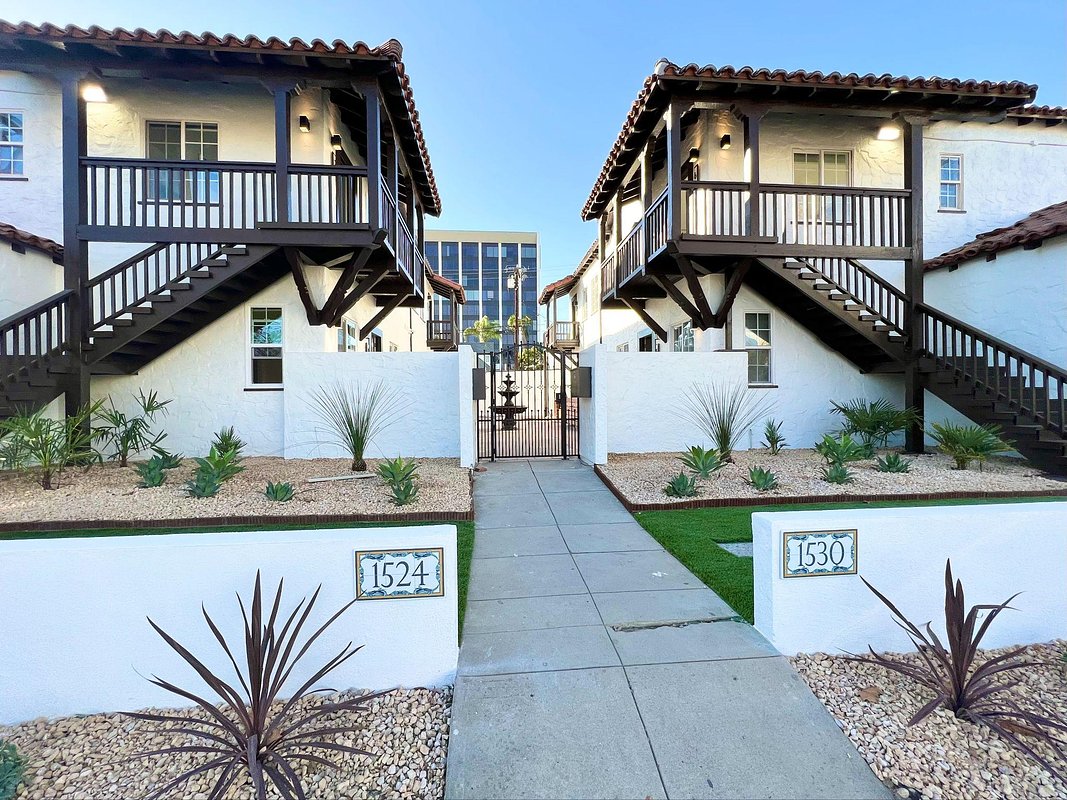
1920s Spanish Villa Reborn: Luxury Living in Historic Santa Ana
SANTA ANA, CA – April 08, 2026 – In the heart of Santa Ana’s historic Willard neighborhood, a 1920s Spanish Villa has been brought back to life. VF Developments, LLC, a minority and female-owned real estate firm, today announced the completion of extensive renovations on the eight-unit multifamily property at 1524-1530 North Sycamore Street. With leasing now underway, the project stands as a striking example of a growing trend in Southern California: blending historic architectural preservation with modern luxury living.
A Blend of Past and Present
The project’s goal was to resurrect the building's original Jazz Age charm while infusing it with contemporary comforts. The two low-rise, four-unit buildings now feature a restored exterior with a new red clay barrel tile roof, ornate ironwork, and refreshed landscaping that honors the Spanish Villa style. The meticulous restoration aims to capture the property’s original character, a stark contrast to decades of generic apartment construction.
“Completing this renovation represents VF Developments’ commitment to revitalizing historic neighborhoods while providing modern living for residents,” said Victoria Vu, Managing Partner at VF Developments, in a statement. “We are proud to preserve the architectural character of the 1920s while upgrading the property to meet today’s market standards.”
Inside, the one and two-bedroom apartments have been completely transformed. The renovations addressed foundational needs with new electrical and plumbing systems and the addition of central heating and cooling. For residents, the appeal lies in the high-end finishes: kitchens feature quartz countertops and new Samsung stainless steel appliances, while keyless entry systems and in-unit washer and dryers provide modern convenience. Gated access, private entryways, and dedicated garage parking complete the package of a secure, upscale living experience.
This approach aligns with a broader movement in Southern California real estate, where developers are finding value in adaptive reuse and historic preservation. From the celebrated Anaheim Packing House to numerous projects converting old office buildings into housing, developers are increasingly looking to the past to solve the region's housing needs. VF Developments, led by Victoria Vu, a fashion designer turned developer, brings a distinct focus on aesthetics and design to this space, evident in their portfolio of restored mid-century and historic properties across Los Angeles and Orange County.
The Business of Revival
The Spanish Villa project is more than an architectural exercise; it's a strategic investment rooted in a keen analysis of Santa Ana's housing market. VF Developments specializes in acquiring and renovating properties in what it terms “gentrifying areas,” a value-add strategy that has grown its portfolio to 43 properties and over $69 million in assets since 2015.
The numbers in Santa Ana underscore the logic behind this strategy. The city is one of the most expensive rental markets in the country, with average rents hovering around $2,700, a figure nearly 40% higher than the national average. The demand is particularly acute in the city’s core neighborhoods.
The Willard neighborhood, where the Spanish Villa is located, has an exceptionally low vacancy rate of just 2.0%, according to market analysis. This indicates a severe housing shortage relative to demand. While historically considered one of Santa Ana’s more affordable areas, rental prices have been climbing steadily. Current estimates place the average rent for a one-bedroom apartment in the neighborhood around $2,269, with two-bedrooms fetching upwards of $2,767. By introducing fully renovated, high-amenity units, VF Developments is positioned to command premium rents in a supply-constrained market, making the project a potentially lucrative venture for the firm and its investors.
A Neighborhood in Transition
The arrival of a luxury-renovated apartment complex in the Willard neighborhood highlights the profound changes underway in Santa Ana. The neighborhood is a densely populated urban community where the majority of residents rent their homes. Demographically, it is a predominantly lower-middle-income area with a significant Hispanic population—over 83% of residents claim Mexican ancestry—and a high rate of childhood poverty.
The newly renovated Spanish Villa, with its Class A finishes and expected market-rate rents, targets a different demographic than the one that has long defined the neighborhood. This dynamic is at the heart of the ongoing debate about gentrification in Santa Ana. For years, community advocates and long-time residents have voiced concerns about rising housing costs and displacement, issues that have been amplified by large-scale public works like the controversial OC Streetcar project. Critics argue that such developments prioritize attracting new, wealthier residents at the expense of the existing community, leading to the erosion of the city’s cultural identity and the closure of local Latino-owned businesses.
The renovation on North Sycamore Street, while small in scale, serves as a microcosm of this city-wide tension. It represents a significant upgrade to the local housing stock but also contributes to the rising tide of rents that threatens to displace the very community that gives the neighborhood its character.
Pioneering Progress in a Competitive Market
Navigating this complex landscape is VF Developments, a firm that stands out in the male-dominated real estate industry as both minority and female-owned. The company's success in acquiring and transforming dozens of properties across Southern California demonstrates a viable and competitive business model. By focusing on design-forward historic preservation, the firm has carved out a distinct niche.
The Spanish Villa project showcases the company’s ability to execute a complex vision, one that required collaboration with TriWest Contractors for the renovation and the Drake Real Estate Group for leasing and management. The result is a property that contributes to the aesthetic fabric of the historic French Park and Willard neighborhoods while simultaneously participating in the market forces that are rapidly reshaping them.
As cities like Santa Ana continue to grapple with the dual pressures of preserving their history and accommodating growth, projects like the Spanish Villa serve as a critical case study. They embody the potential for revitalization and the inherent challenges of balancing profit, preservation, and the well-being of the community.